Kitchen Island Design
Maximize your kitchen with a custom kitchen island and functional design by Simone Feldman Designs. Call today for a layout that boosts storage, flow, and usability.
Functional Design Solutions Centered Around the Kitchen Island
A kitchen island is one of the most powerful tools in functional kitchen design. It can add storage, expand counter space, create seating for meals or gatherings, and serve as a central hub that connects the kitchen to the dining area and living room. At Simone Feldman Designs, every kitchen island is thoughtfully designed to fit the layout, lifestyle, and goals of the homeowner.
Simone Feldman Designs brings years of experience in residential kitchen planning and remodeling to every project. Simone is a Certified Kitchen & Bath Designer with 40+ years of experience, serving Roswell, Alpharetta, and North Atlanta. Her background helps homeowners make confident decisions about island size, placement, storage, and finishes. Whether you are building a new home or remodeling an existing kitchen, a well-planned kitchen island can transform how the entire space works.
Why Kitchen Island Designs Matter
Kitchen island designs are more than just an extra counter. They are functional elements that improve workflow, storage, and social interaction in the kitchen. In many homes, the island becomes the most-used space for cooking, meal prep, homework, and entertaining.
Key benefits of functional kitchen islands include:
- Additional counter space for food prep and cooking.
- Extra storage space through cabinets, drawers, and tall cabinets.
- Built-in seating with bar stools for casual dining.
- A place to integrate appliances like a sink, cooktop, or wine fridge.
- Improved flow around the work triangle.
- A natural gathering point that helps the kitchen feel like the heart of the home.
Simone Feldman Designs uses the kitchen island as a central tool for kitchen design. The island is planned to support how you cook, gather, and move through the space every day.
Planning the Right Layout
The success of a kitchen island depends on thoughtful layout planning. The island must fit the overall kitchen layout without making the room feel cramped or blocking traffic paths. Simone carefully evaluates the space to determine the best size, shape, and placement.
Important layout considerations include:
- Keeping 36–48 inches of clearance around the island for safe movement.
- Positioning the island to support the kitchen work triangle.
- Aligning the island with existing cabinetry and appliances.
- Ensuring the island complements the kitchen layout, whether in galley kitchens, L-shaped, U-shaped, or open space layouts.
- Creating zones for prep, cooking, cleaning, and seating.
- Balancing the island with the rest of the room so it feels proportional.
In open-concept homes, the kitchen island often serves as a visual and functional bridge between the kitchen and living room. Simone ensures the island enhances this connection rather than creating a barrier. For a smaller kitchen or small kitchen, a compact island can still add valuable counter space and storage when designed correctly.
Storage and Organization
One of the main advantages of a kitchen island is the storage it can provide. A well-designed island can significantly increase the kitchen’s overall capacity while keeping everyday items within easy reach.
Storage options for a kitchen island include:
- Base cabinets for pots, pans, and small appliances.
- Deep drawers for utensils, cutlery, and cookware.
- Pull-out shelves and organizers for easier access.
- Tall cabinets integrated into the island for vertical storage.
- Built-in recycling or trash drawers.
- Wine racks, spice pull-outs, or appliance garages.
- Open shelving for display and quick access.
Simone helps clients choose storage solutions that match their specific needs. For example, a family that cooks often may prioritize deep drawers and ample meal prep space, while someone who entertains frequently may focus on seating and display.
Appliance Integration and Meal Prep
Integrating appliances into a kitchen island can greatly improve functionality. It allows you to move certain tasks away from the main cooking zone, creating a more efficient workflow ideal for meal prep.
Common appliances added to islands include:
- Sinks or prep sinks for washing produce and hands.
- Cooktops or induction ranges for additional cooking space.
- Dishwashers or second dishwashers for convenience.
- Wine coolers or beverage centers.
- Microwaves or speed ovens.
- Charging stations and built-in power outlets.
When appliances are added to the island, Simone plans the layout carefully to ensure proper ventilation, plumbing, and electrical access. This ensures the island remains functional and safe while maintaining a clean, streamlined look.
Seating and the Breakfast Bar
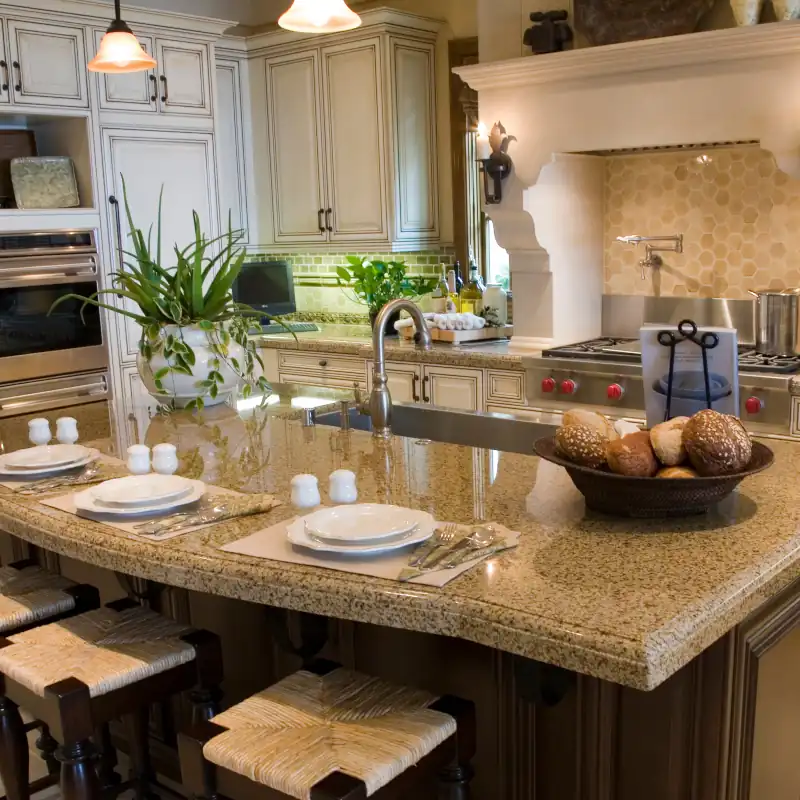
A kitchen island is often the main gathering spot in a modern home. It provides a place for family members to sit while meals are being prepared, for guests to chat with the cook, or for quick meals at a breakfast bar.
Seating considerations include:
- Overhang of 12–15 inches for comfortable legroom.
- Counter height (36") or bar height (42") depending on preference.
- Space for 2, 3, 4, or more bar stools, depending on island size.
- Choosing bar stools that match the style of the kitchen.
- Ensuring enough clearance behind seated areas for movement.
A breakfast bar is a popular feature in many kitchen island designs, offering casual dining without the need for a separate dining area. Simone designs the island to support both quiet daily use and lively gatherings. The goal is to create a space that feels inviting and comfortable for everyone.
Materials and Finishes
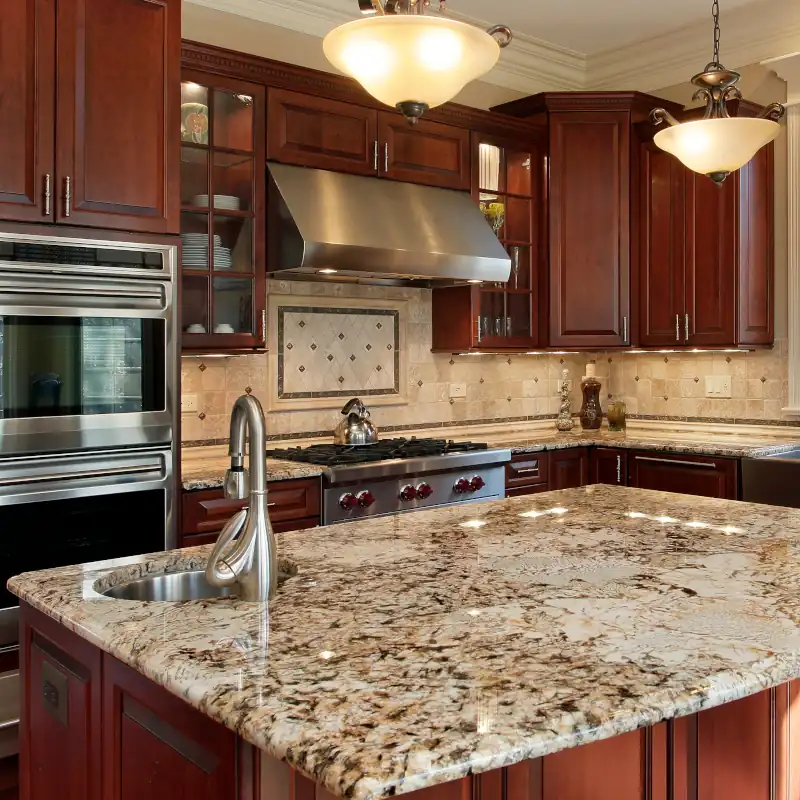
The materials and finishes on a kitchen island can either blend in with the rest of the kitchen or create a striking focal point. Many homeowners choose to differentiate the island with a contrasting color, material, or texture.
Popular countertop material choices include:
- Quartz for durability and low maintenance.
- Granite or marble for natural beauty.
- Butcher block for warmth and a classic prep surface.
- Solid surface for seamless integration.
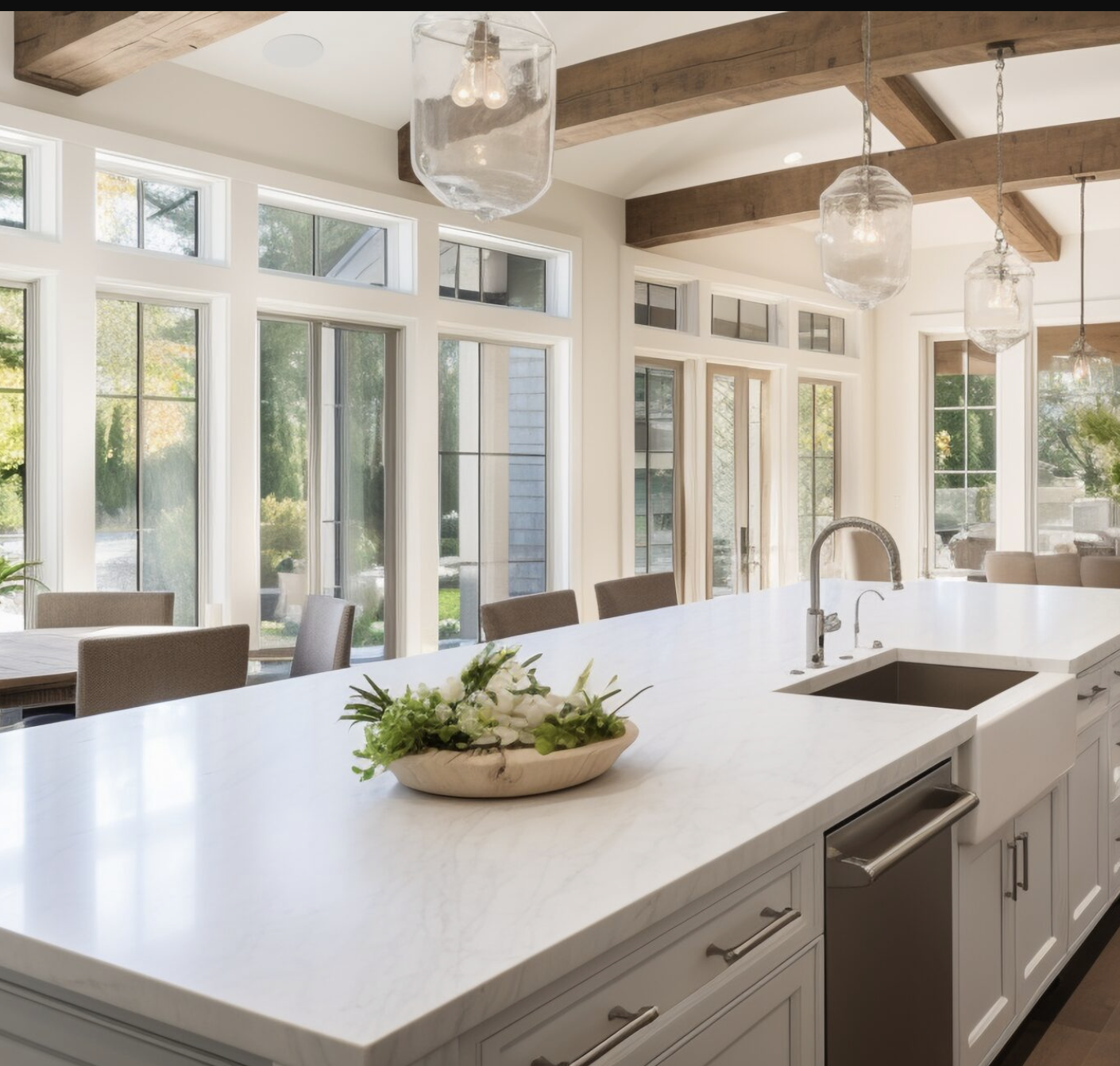
- Waterfall edge countertops for a modern, high-end look.
Contemporary kitchen island designs often feature a waterfall edge to create a sleek, sculptural appearance. Other popular island design choices include:
- Black cabinets or dark wood for contrast.
- White or light cabinets for a bright, open feel.
- Wood cabinets or exposed wood accents for warmth.
- Mixed metal hardware and fixtures.
- Pendant lighting above the island for task lighting and visual interest.
Simone helps clients choose finishes that complement the overall kitchen design while adding personality and depth. The island can be a place to introduce a pop of color or a signature material that ties the whole room together.
Lighting the Kitchen Island
Lighting is essential for both function and design in a kitchen island. Proper lighting ensures the island is well-lit for food prep and creates a welcoming atmosphere for seating and gatherings.
Lighting options include:
- Pendant lighting hung 30–36 inches above the countertop.
- Multiple pendant lights for larger islands.
- Recessed lighting for overall illumination.
- Under-cabinet lighting for task areas.
- Dimmable fixtures to adjust the mood.
Simone uses pendant lighting strategically to define the island as a focal point and to enhance visual interest. The right lighting can make the island feel like the heart of the kitchen.
Functional Kitchen Islands for Every Size
A kitchen island can work in both large kitchens and more compact spaces, as long as it is planned correctly.
For large kitchens:
- A larger island can accommodate multiple functions.
- The island can include seating, storage, and appliances.
- The island helps define zones in a spacious room.
For a smaller kitchen or small kitchen:
- A smaller, streamlined island can still add counter space and storage.
- Slim or mobile islands can provide flexibility.
- The island is positioned to maintain clear pathways and open space.
In shaped kitchens, such as L-shaped or U-shaped layouts, the island can help balance the room and create a more cohesive flow. Simone tailors the island design to fit the specific constraints and opportunities of each space.
Aging in Place Design for Comfortable, Stylish Living
Aging in place design by Simone Feldman Designs focuses on creating beautiful, functional spaces that allow you to live safely and comfortably in your home for years to come. By incorporating thoughtful features like wider doorways, step-free entries, improved lighting, and accessible kitchens and bathrooms, their team blends style with practicality. Every design is customized to your needs, ensuring your home remains both elegant and easy to navigate as your lifestyle evolves.
Why Work With Simone Feldman Designs
Simone Feldman brings more than design talent—she brings decades of experience and a client-focused process that helps turn ideas into functional, beautiful results. Simone Feldman Designs specializes in full-service kitchen remodeling, with a focus on custom solutions for homeowners in Roswell, Atlanta, and nearby communities.
Clients benefit from:
- Experienced design guidance.
- A personalized approach to layout and materials.
- Attention to architectural detail.
- Solutions that support both style and everyday use.
- A collaborative process from concept to completion.
That combination of experience and creativity is especially valuable when designing kitchen island designs, where function, storage, and aesthetics must all work together.
Frequently Asked Questions
What size should a kitchen island be?
A typical kitchen island is 4–6 feet long, but the size depends on the room and how you plan to use it. Simone plans the island to fit your space and needs.
How much clearance is needed around a kitchen island?
At least 36–48 inches of clearance is recommended around the island to allow for safe movement and appliance use.
Can a kitchen island work in a small kitchen?
Yes. A smaller or mobile island can still add counter space and extra storage if the layout is planned carefully, even in a smaller kitchen.
What appliances can be added to a kitchen island?
Sinks, cooktops, dishwashers, wine coolers, microwaves, and charging stations can all be integrated into a kitchen island.
How many pendant lights should be over a kitchen island?
Two pendant lights are common for smaller islands, while three or more may be used for larger islands, depending on size and style.
Is butcher block a good countertop material for an island?
Yes. Butcher block is excellent for meal prep and adds warmth, especially when used on part of the island or as an accent surface.
What is a waterfall edge?
A waterfall edge is a countertop design where the material continues vertically down the side of the island to the floor, creating a sleek, modern look.
How can open shelving improve a kitchen island?
Open shelving adds accessible storage and display space, making it easy to keep everyday items within reach while keeping the island feeling open.
Start Your Kitchen Island Project
A well-designed kitchen island can transform how you use your kitchen. With Simone Feldman Designs, you get experienced guidance, thoughtful planning, and a custom island that boosts storage, flow, and usability. Simone’s 40-plus years of experience make her a trusted choice for homeowners seeking functional, beautiful kitchen design.
Contact Simone Feldman Designs to begin planning thoughtfully designed kitchen islands that enhance your kitchen’s functionality and style.