Porcelain vs. Ceramic Kitchen Tile | Expert Selection & Design
Deciding between porcelain and ceramic tile for your kitchen? Get guidance on durability, maintenance, and style so your floors and backsplash perform beautifully. Simone helps you choose and design the right tile for busy kitchens. Contact us today.
Kitchen Tile Choices That Improve Performance and Value
In a high-traffic kitchen, the difference between porcelain and ceramic tile affects everyday comfort, cleanability, and long-term durability. Porcelain’s dense body and low water absorption make it ideal for floors and heavy-use zones, while ceramic’s lighter weight and broad glaze options shine on walls and backsplashes. Selecting the right material, size, and finish ensures safer footing, easier maintenance, and a cohesive look tailored to your cooking and entertaining style.
Professional guidance also helps you navigate essential specs like DCOF slip ratings for wet areas, PEI wear ratings for floors, rectified vs. pressed edges, grout joint sizing, and compatibility with radiant heat. With thoughtful planning and quality installation, the right tile brings lasting value—resisting stains, standing up to dropped cookware, and elevating your kitchen’s overall design for years to come.
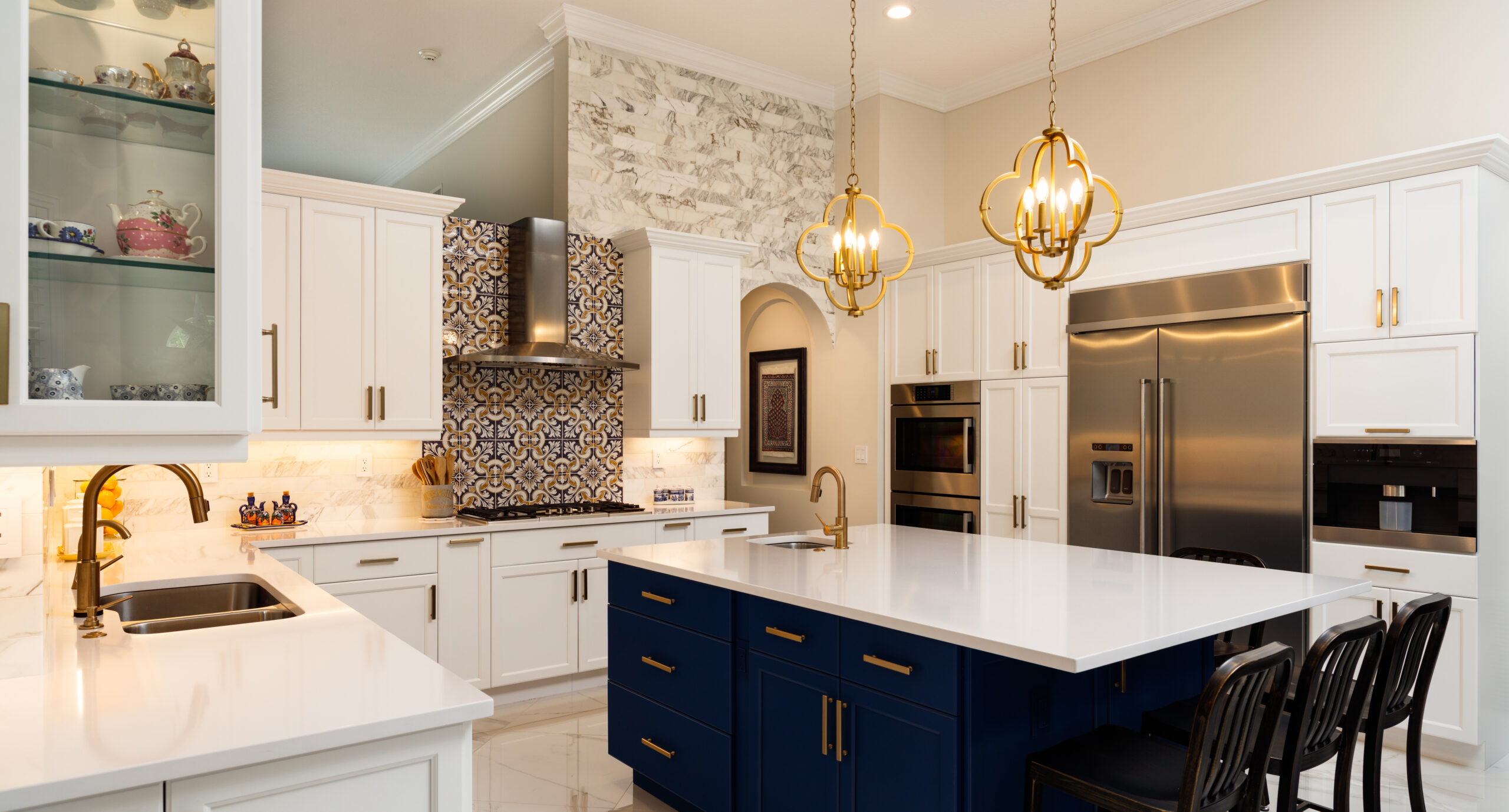
Tile Choices That Fit Your Kitchen Goals
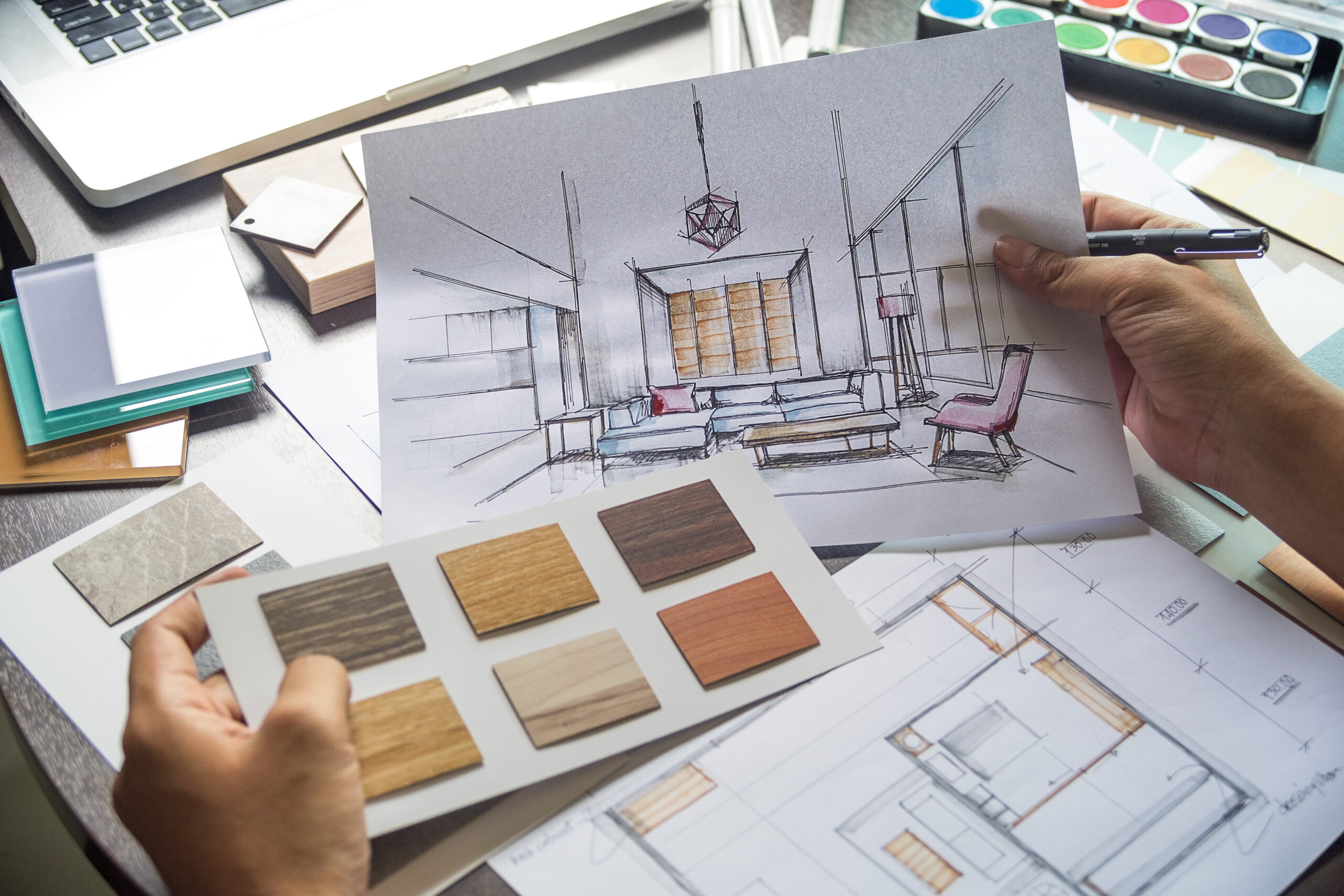
Start by defining how your kitchen is used. Do you cook daily, host often, have pets or young kids, or need a slip-resistant floor? Porcelain excels in moisture resistance and impact strength for busy floors and entry points, while ceramic offers excellent style and value for backsplashes and accent walls. Consider finish (matte for traction, polished for reflectivity), tile size, grout color, and how each option supports your routine and cleaning preferences.
Balancing aesthetics, performance, and budget is key. Porcelain can cost more and is harder to cut, making DIY projects challenging, while ceramic is typically easier to install on walls. Many homeowners mix both: porcelain underfoot for resilience and ceramic on vertical surfaces for design flexibility. Deciding which tasks require a seasoned tile installer—and which light prep items you can handle—keeps costs aligned with your goals.
Where Porcelain and Ceramic Work Best in Kitchens
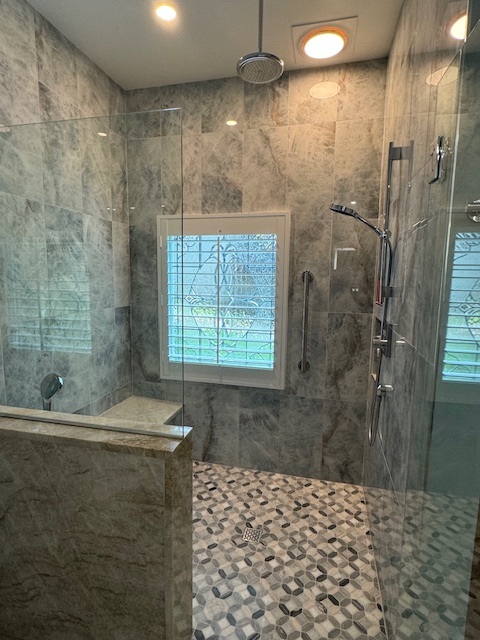
Porcelain is a top pick for kitchen floors, mudroom entries, pantries, and under dining areas thanks to its density and low absorption rate. It also pairs well with radiant heating systems. Ceramic shines for backsplashes, feature walls, and ceiling-height installations where a wide range of glazes, colors, and textures can create striking focal points without the added weight and cutting difficulty of porcelain.
When planning for accessibility or aging in place, prioritize slip-resistant finishes and larger formats that reduce grout lines. Homeowners often use porcelain for spill-prone zones and ceramic to achieve detailed patterns or decorative borders. With the right combination, you can boost function and style without changing your kitchen’s footprint.
Why Planning Matters
Successful kitchen tile projects begin with precise planning. Measure carefully, evaluate subfloor flatness, and verify structural support for large-format pieces. Choose materials based on traffic levels, moisture exposure, and cleaning needs. Confirm tile thickness, edge type, recommended grout joint width, and mortar requirements before ordering to avoid surprises during installation.
A strong plan minimizes delays from backorders, shade variations, and change orders. Order from the same dye lot and calculate proper overage (typically 10–15%, more for complex layouts) to account for cuts and breakage. Planning also streamlines scheduling across trades and ensures compliance with localities building requirements and permit rules—especially when adding radiant heat or electrical warming systems beneath tile.
Design and Function Together
The best kitchens look great and work hard. Match finish to function: matte or textured tiles generally offer better traction near sinks and ranges, while polished surfaces can brighten darker rooms but may be more slippery when wet. Consider rectified edges for tighter grout lines, and select grout type—cementitious, high-performance, or epoxy—based on stain resistance and maintenance expectations.
When design and function align, your kitchen becomes safer, cleaner, and more enjoyable. Pattern choices like herringbone or stacked layouts can visually expand a space, while proper tile leveling and lippage control maintain a smooth, durable surface. Prioritizing these details pays off most in high-use zones around prep areas, dishwashers, and main walkways.
Adding Long-Term Value
Thoughtful tile selection can increase home appeal and longevity. Porcelain floors resist water, stains, and wear, making them a strong investment for resale. Ceramic delivers excellent style on walls and backsplashes at a lower cost, freeing budget for premium countertops, lighting, or appliances—another smart value play.
Even if you’re not selling soon, the right tile system—proper substrate, quality thinset, appropriate grout, and professional installation—protects your kitchen from everyday spills and heavy traffic. The result is a timeless surface that’s easy to maintain and built to last.
Why Choose Simone Feldman Designs
Choosing between porcelain and ceramic is about more than color chips—it’s about performance, safety, and a cohesive design that fits your life. Homeowners turn to Simone for expert curation of tile materials, edges, grout, and layouts that balance beauty with real-world kitchen demands. From evaluating slip resistance and wear ratings to coordinating cabinet, countertop, and lighting palettes, Simone designs kitchens that look refined and work flawlessly.
Simone’s credentials strengthen the trust homeowners place in her work. Her NKBA certifications and aging-in-place expertise support thoughtful choices for layout, accessibility, and lasting function. That background is especially valuable when kitchens need better traction near wet zones, clear pathways for mobility, and easy-to-clean finishes—ensuring your tile plan is beautiful, practical, and well coordinated from concept through completion.
Frequently Asked Questions
What’s the difference between porcelain and ceramic tile?
Porcelain is fired at higher temperatures and has a water absorption rate under 0.5%, making it denser, harder, and more moisture-resistant—ideal for kitchen floors. Ceramic is slightly more porous, typically lighter, and offers a wide range of glazes, making it great for backsplashes and walls.
Which is better for kitchen floors and backsplashes?
Porcelain usually wins for floors due to durability and spill resistance. Ceramic is excellent for backsplashes where impact and foot traffic are minimal, and where you may want intricate colors, finishes, or decorative shapes.
How do I choose the right slip resistance?
Look for a DCOF (Dynamic Coefficient of Friction) of 0.42 or higher for wet interior floors. Matte and textured finishes typically offer more traction near sinks and ranges. Simone can help match finish and format to your household’s safety needs.
Can tile be installed over existing floors or with radiant heat?
Often yes, with proper prep. Subfloors must be clean, flat, and structurally sound. Decoupling membranes can reduce cracking, and many porcelain and ceramic tiles work well over hydronic or electric radiant systems when paired with the right mortar.
How do I maintain each type of tile?
Both materials clean easily with a pH-neutral cleaner and microfiber mop. The tile itself typically doesn’t need sealing, but most cementitious grouts do; epoxy grouts are highly stain-resistant. Wipe spills promptly, use felt pads under stools, and follow manufacturer care guidelines.
Start Your Renovation
If you’re updating your kitchen, choosing between porcelain and ceramic tile is one of the most important early decisions. Porcelain’s dense, low-absorption body excels on busy kitchen floors and around sinks, while ceramic offers a lighter, budget-friendly choice that’s easy to cut and perfect for backsplashes and walls. With a clear view of your style, traffic levels, and maintenance goals, you can select a tile that truly fits how you cook and live.
A smart tile selection does more than change the look—it simplifies cleanup, improves safety under wet conditions, and can add lasting value. Compare performance factors like water absorption (porcelain ≤ 0.5%), PEI wear ratings for floors, and DCOF slip resistance, then consider finishes, grout widths, and edge profiles for a cohesive design. Whether you’re leaning toward large-format porcelain for a seamless floor or glazed ceramic for a standout backsplash, Simone Feldman Designs can guide you through samples, layout, grout and trim choices, and coordinate expert installation with care.