How to Choose a Kitchen Backsplash | Expert Design Guidance
Select a backsplash that fits your cooking habits, cleaning preferences, and budget with guidance from seasoned design professionals. Protect walls, simplify cleanup, and elevate style with a material and layout tailored to your kitchen. Contact us today.
Backsplash Choices That Enhance Everyday Use and Home Value
The backsplash works hard every day—catching splashes from the sink and stove, guarding drywall from moisture and grease, and tying your cabinetry and countertops into a cohesive story. The right selection makes wipe-downs faster, resists staining, and frames focal points like the range or a kitchen window. Whether you’re updating a compact galley or reimagining a chef’s kitchen, a thoughtfully chosen backsplash improves function and elevates the room’s visual impact.
Smart backsplash decisions also support resale value and longevity. Material quality, grout selection, and installation details influence stain resistance, heat tolerance, and long-term maintenance. With precise measurements and expert guidance, you can choose tile or slab that performs beautifully for years, coordinates with your counters and cabinets, and integrates cleanly around outlets, shelves, and hoods.
Backsplash Selection That Fits Your Goals
Begin with how you cook and clean. Do you sauté often, bake regularly, or run a busy family kitchen? Frequent high-heat cooking may favor porcelain or quartz slab behind the range for fewer joints and easier degreasing, while casual cooks might prefer classic ceramic subway tile for timeless style. Households with kids may opt for matte finishes and epoxy grout that hide smudges, while design-forward homeowners might choose a statement pattern or mosaic to create a focal wall.
Balance aesthetics with practicality and budget. Consider how your backsplash will interact with your countertop color and cabinet finish, the look of your range hood or open shelves, and whether you plan a DIY tile job or professional installation—especially important for large-format porcelain panels or natural stone slabs that require specialized handling, edge profiles, and precise wall prep.
Common Kitchen Backsplash Types
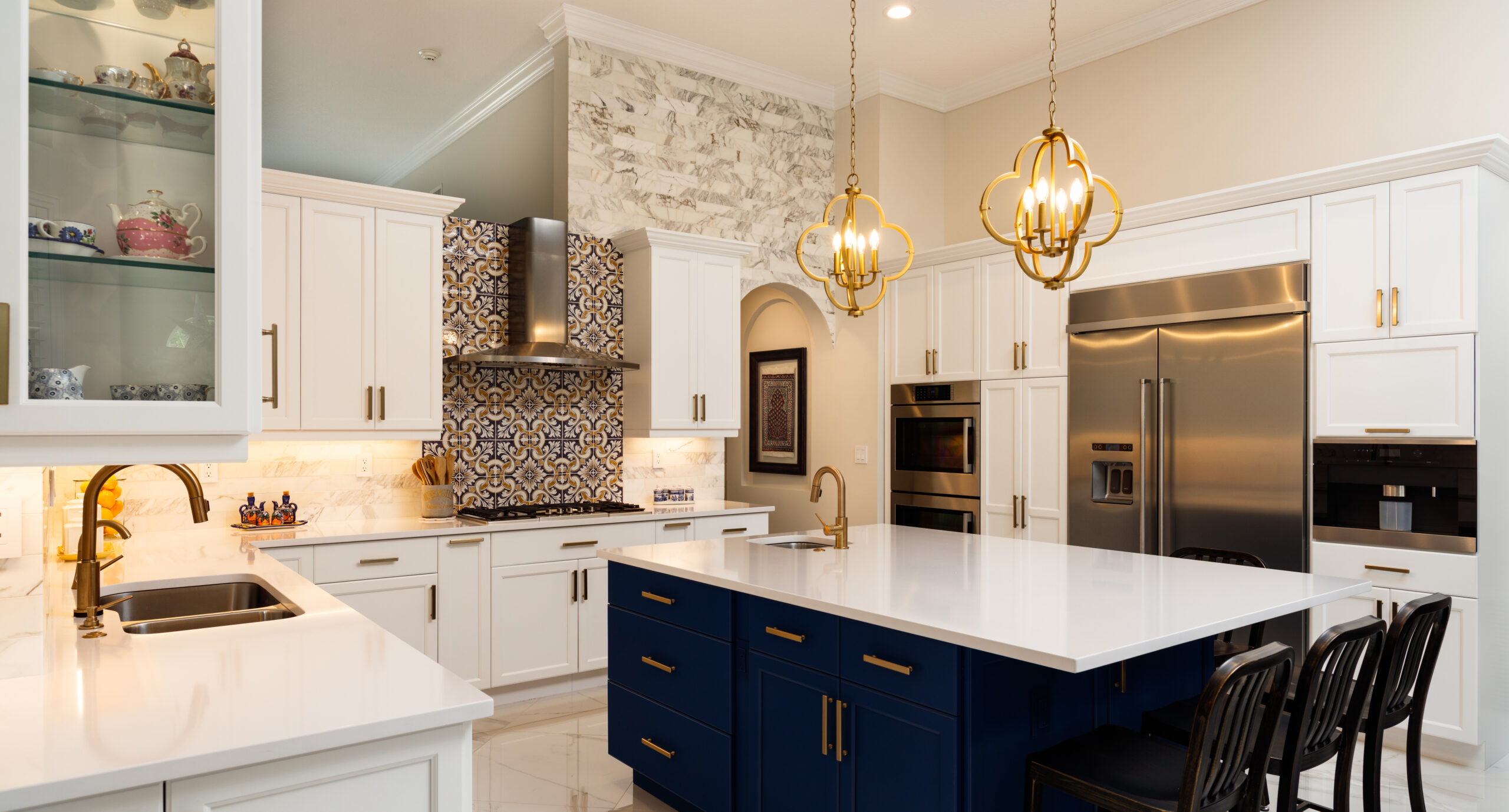
Popular approaches include classic ceramic or porcelain tile, glass tile for reflective brightness, natural stone for organic movement, and slab backsplashes in quartz, stone, or large-format porcelain for a near-seamless look. Full-height installations run from countertop to the underside of wall cabinets or even to the ceiling around windows or hoods for dramatic effect, while a short return behind the sink or range can be a budget-conscious refresh.
Material options have distinct care needs and performance traits. Porcelain is dense and highly stain‑ and heat‑resistant; ceramic offers versatile styles at accessible prices. Glass adds depth and light but shows splatters more readily. Natural stones like marble and limestone are beautiful yet porous and need sealing; granite and quartzite are tougher but still benefit from proper care. Quartz or porcelain slab minimizes grout lines for easy cleaning. Stainless or lacquered metal panels provide a professional, heat‑tolerant surface, especially behind ranges.
Why Planning Matters
Accurate measurements and compatibility checks are essential before ordering. Confirm square footage and add 10–15% overage for cuts and future repairs, map outlet and switch locations, and verify hood dimensions and cabinet heights. Determine termination points at window trims and open ends, select trim pieces or metal profiles for clean edges, and plan transitions with countertops using color‑matched silicone at changes of plane for a watertight, flexible joint.
Good planning prevents costly changes. Decide early on material, layout pattern, grout type and color, and edge details to align lead times and installation sequencing. If relocating outlets, adding under‑cabinet lighting, or extending tile to the ceiling, coordinate schedules and budget with your electrician, contractor, and tile installer, and be mindful of different localities building requirements and permit rules.
Design and Function Together
A backsplash should look stunning and simplify maintenance. Choose tile sizes and patterns that align with your outlets and sightlines—stacked or herringbone for modern precision, or offset for a classic feel. Fewer grout joints mean easier cleaning; darker or epoxy grout hides stains, while lighter grout brightens a small kitchen. Consider reflective glass or glossy finishes to bounce light, or matte textures to reduce glare under task lighting.
Practicality matters too. Heat‑intense zones behind the cooktop benefit from non‑porous porcelain or slab surfaces; natural stone near sinks needs quality sealing. Smooth surfaces and tight joints speed daily wipe‑downs. Specify caulk at corners to prevent cracking, use bullnose or metal profiles for safe, finished edges, and select materials that stand up to steam and splatter so nightly cleanup is quick and effortless.
Adding Long-Term Value
A durable, well‑detailed backsplash elevates your kitchen for years and appeals to future buyers. Prioritize materials with strong warranties, consistent color lots, and proven resistance to heat and stains, along with high‑performance grout and matching caulk. Ordering a few extra boxes—or a spare slab remnant—helps ensure seamless future repairs.
Timeless choices—balanced proportions, cohesive color with countertops and cabinets, and a layout that respects windows, shelves, and hoods—typically outperform trend‑driven picks. Even if you’re not selling soon, a thoughtfully selected backsplash protects your investment and keeps your kitchen looking fresh with minimal upkeep.
Why Choose Simone Feldman Designs
Selecting a kitchen backsplash blends design, construction, and installation details—decisions that benefit from expert insight. Simone Feldman Designs pairs aesthetic vision with technical know‑how to help you assess wall conditions, edge terminations, grout selections, and heat‑zone requirements before you buy.
Simone’s credentials support confident choices. Her NKBA certifications and aging-in-place expertise inform recommendations for easy-clean finishes, proper clearances around ranges and hoods, outlet placement, and lighting that enhance safety and comfort. From material and pattern selection to sourcing trim profiles, grout, and coordinating with tile setters and fabricators, Simone ensures your backsplash looks beautiful, performs reliably, and integrates seamlessly with the rest of your kitchen.
Frequently Asked Questions
What should I consider first when choosing a kitchen backsplash?
Start with how you cook and clean, then consider your countertop and cabinet finishes. These guide your material choice, finish sheen, grout color, and overall height. Next, assess outlet locations, range/hood type, and whether you prefer tile or slab so the design supports your daily routine and cleanup expectations.
How do I pick the right height and coverage for my backsplash?
Measure from countertop to the underside of wall cabinets, to the bottom of the hood, or to the ceiling if you want a full feature wall. Many homeowners choose full height to the cabinets for easy cleaning and a finished look; extending to the ceiling around a hood creates a striking focal point. Plan terminations at windows, open shelves, and edges, and add 10–15% overage for cuts.
Which backsplash material is best?
It depends on priorities. Porcelain and ceramic tile are durable, versatile, and budget‑friendly. Large‑format porcelain or quartz slab minimizes grout lines for effortless cleaning, especially behind the range. Glass brightens spaces but may show splashes more readily. Natural stone is beautiful and unique but needs sealing and specific care. Choose the material that fits your maintenance preferences, heat exposure, and style.
Does backsplash height matter?
Yes. A short splash offers a quick refresh, but full‑height tile or slab provides better protection from steam and grease and delivers a more finished, custom look. Carrying tile to the ceiling around a hood or window can visually expand the room. Align heights with cabinet bottoms, shelves, and trim for clean lines.
What features are worth the investment?
Epoxy or high‑performance grout for stain resistance, color‑matched silicone at corners, quality trim or metal edge profiles, and a slab or porcelain panel behind the range for easier cleanup are highly practical. Also coordinate under‑cabinet lighting, outlet placement or power strips, and order extra material for future repairs to avoid dye‑lot issues later.
Choose the Right Kitchen Backsplash
The backsplash does more than decorate—it protects your walls and anchors the whole palette, so your choice should match how you actually cook and clean. Start by measuring the span from countertop to upper cabinets or hood and around windows, then determine coverage (standard height, full-height, or a feature panel), tile size and layout to minimize slivers, and how outlets, pot fillers, or shelves will influence the design. Balancing scale, easy wipe-down, and budget at this stage sets you up for a durable, cohesive result.
Smart selection streamlines cleanup, resists stains and splatter, and elevates the space for years. Compare materials—ceramic or porcelain tile for durable value, glass tile for light and depth, natural stone for organic movement (with sealing), and quartz or porcelain slab for a sleek, low‑grout look—along with grout type and color, edge trims, finish sheen, and how the pattern relates to your countertops and cabinets. Whether you’re refreshing with new tile or planning a larger upgrade, Simone Feldman Designs coordinates measuring, cutouts, installation details, and accessories so everything fits and functions perfectly.