Aging in Place Home Assessment
Discover how a professional home assessment from Simone evaluates safety, mobility, and daily usability—room by room—so you can plan confident upgrades and live independently at home.
Why Schedule an Aging in Place Home Assessment?
An Aging in Place Home Assessment identifies real-world barriers that make daily routines harder or riskier as we age. By analyzing entrances, walkways, bathrooms, kitchens, bedrooms, and circulation paths, Simone pinpoints practical improvements that support independence, reduce fall risk, and make the home easier to navigate.
With more homeowners choosing to remain in familiar neighborhoods, a structured assessment provides clear direction before any remodeling begins. It replaces guesswork with prioritized recommendations grounded in safety, ergonomics, and usability.
Simone’s assessments consider your mobility, vision, and reach ranges alongside the home’s layout and local housing styles. You’ll receive expert guidance on essential upgrades and phased next steps—so every decision is informed and purposeful.
What Does an Aging in Place Home Assessment Include?
A comprehensive assessment evaluates how your home supports daily movement, balance, visibility, and access. Simone reviews entries, hallways, bathrooms, kitchens, bedrooms, laundry areas, and outdoor connections to flag hazards and usability gaps.
The evaluation is ADA-informed and centered on aging needs, blending function with aesthetics so recommended updates feel integrated rather than clinical. We observe how you move through spaces, test clearances, and note lighting levels and controls to ensure changes fit your routines.
Typical assessment checkpoints include:
- Verifying entry thresholds, handrails, and landing safety
- Measuring door/hall clearances and turn radii for walkers or wheelchairs
- Checking reach ranges for switches, storage, faucets, and appliances
- Evaluating task and ambient lighting for aging eyes
- Locating wall areas for future grab bar blocking and support
- Reviewing flooring transitions and traction to lower fall risk
- Identifying smart home controls that simplify daily tasks
Simone translates findings into cohesive recommendations that enhance safety, comfort, and visual harmony throughout the home.

What to Expect: Assessment Scope and Deliverables
An Aging in Place Home Assessment can be tailored to your needs, from a focused walkthrough to an in-depth, room-by-room analysis. Below are typical engagement levels.
Foundational Safety Audit
A targeted review of high-risk areas—entries, bathrooms, stairs, and lighting. You’ll receive a concise punch list addressing immediate fall risks and quick wins.
Comprehensive Whole-Home Assessment
A detailed evaluation covering circulation, bathroom usability, kitchen access, storage reach, and bedroom safety. Includes measurements, photos, and a prioritized scope with phasing options.
Assessment + Planning Roadmap
Everything in the comprehensive review plus conceptual layout notes, product guidance, and a coordinated plan for phased upgrades. Ideal if you anticipate permits or layout adjustments.
Simone provides clear documentation outlining risks, recommendations, and next steps—so you can move forward with confidence.
How We Evaluate and Prioritize Recommendations
Several factors guide the final assessment plan and timeline.
- Safety Risk Level: Hazards tied to falls, poor lighting, or difficult transfers are addressed first.
- User Abilities: Mobility, vision, grip strength, and reach ranges inform precise dimensions and product choices.
- Home Layout and Structure: Corridor widths, load-bearing walls, plumbing locations, and entrances influence feasible upgrades.
- Durability and Maintenance: Materials and fixtures are selected for longevity, traction, and low upkeep.
- Phased Budget Planning: Improvements are grouped into immediate actions, near-term projects, and future-ready prep (like grab bar blocking).
Simone organizes recommendations into a prioritized scope that balances safety, usability, and budget, ensuring meaningful progress at every stage.
Room-by-Room: What We Look For in Bathrooms
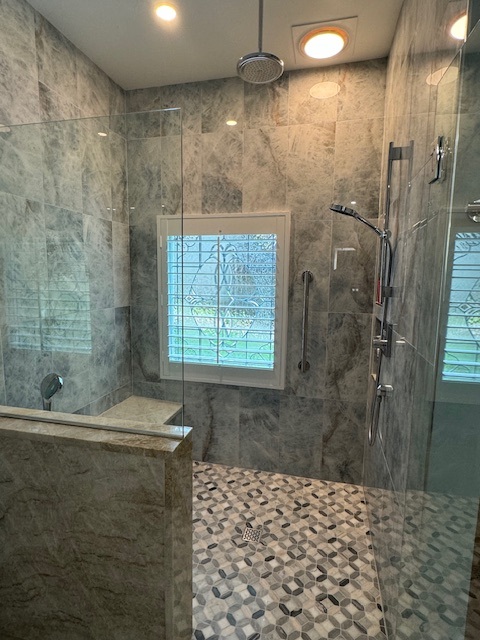
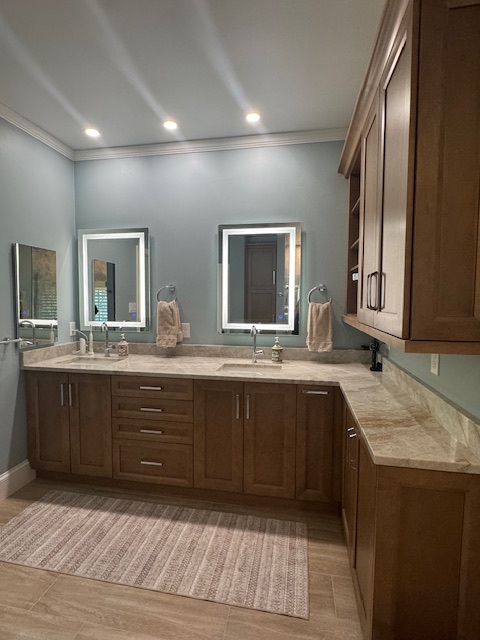
Bathrooms are a primary focus due to transfer, moisture, and slip risks. During the assessment, Simone evaluates clear floor space, shower access, lighting, and support opportunities.
Key checkpoints include:
- Zero or low-threshold shower feasibility and water containment
- Grab bar blocking locations and stud access for future installation
- High-traction flooring and secure transition strips
- Doorway clearances, swing direction, and pocket door suitability
- Task and night-lighting levels for safe navigation
The assessment may also reference options like curbless shower design or improved ventilation, with phased steps if a full remodel isn’t planned immediately.
Room-by-Room: What We Look For in Kitchens
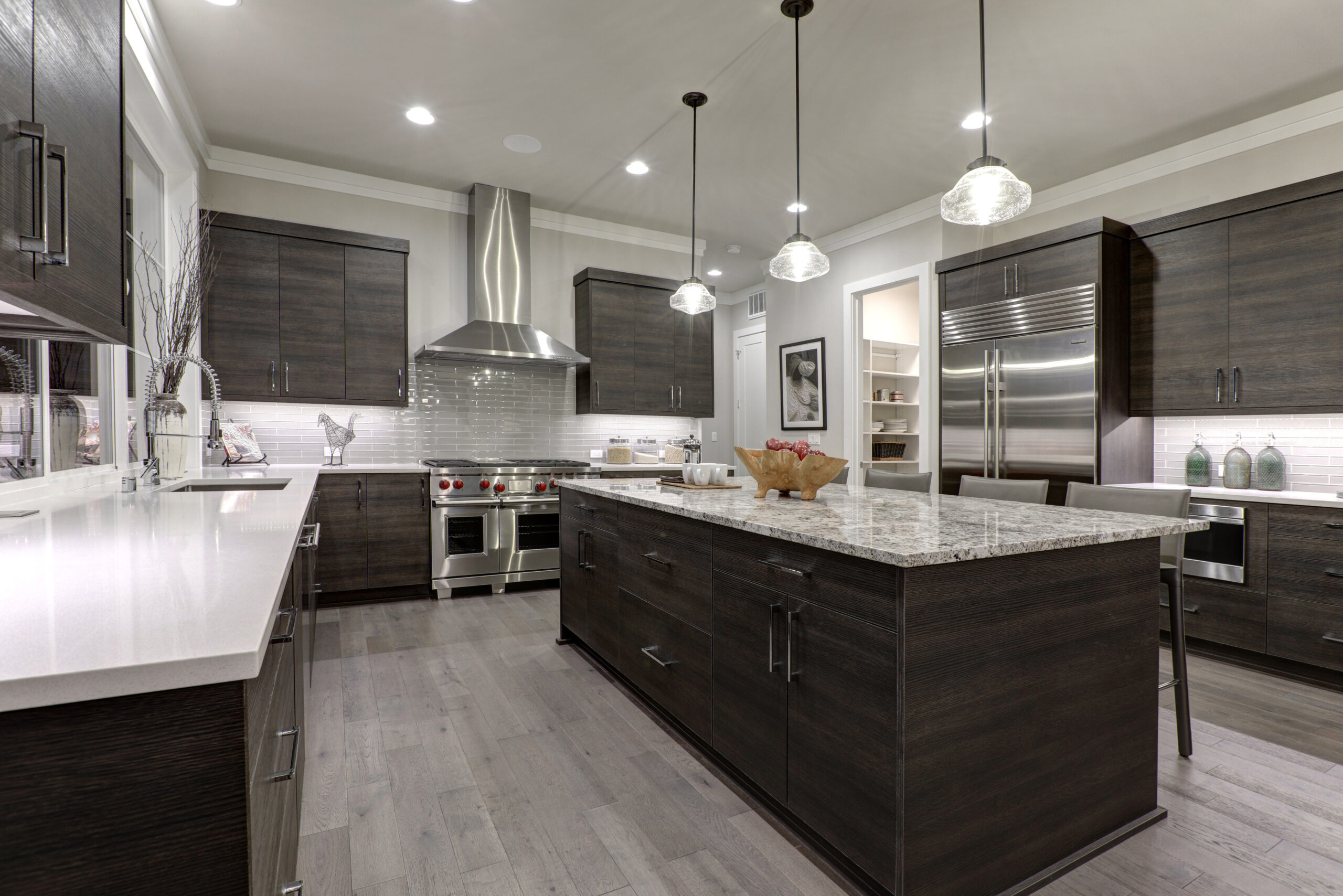
Kitchens are evaluated for safe movement, efficient work zones, and reachable storage. Simone focuses on access without overhauling what works.
Key checkpoints include:
- Counter and appliance reach ranges and control visibility
- Pull-out storage and glide hardware suitability
- Lighting quality at prep zones and switch placement
- Clear pathways and door/hall widths for mobility devices
- Opportunities for simple control upgrades and automation
When appropriate, we’ll reference accessible kitchen design strategies and outline incremental changes you can make now, with room to expand later.
Who Performs the Assessment?
Working with specialists who understand aging needs is essential. Simone’s assessors apply ADA-informed best practices and current building standards to evaluate safety, access, and usability.
We collaborate with credentialed professionals when needed—such as occupational therapists or CAPS-trained partners—to ensure recommendations align with your abilities and routines.
Simone delivers assessments that meet high standards for clarity, practicality, and design alignment—so upgrades support both function and style.
Smart Home Technology in a Home Assessment
During an Aging in Place Home Assessment, Simone evaluates where targeted smart technology can reduce fall risk, simplify daily routines, and support independence without adding complexity.
Common recommendations include:
- Voice-activated lighting and appliances calibrated for low vision and limited dexterity
- Automated temperature controls to maintain safe, consistent indoor comfort
- Security systems with remote monitoring and easy-to-use emergency alerts
- Motion-sensor night lighting to illuminate pathways from bed to bath
The assessment identifies where these tools add the most value, balancing upfront cost with long-term safety and ease of use.
Hidden Findings an Assessment Can Reveal
A thorough Aging in Place Home Assessment often uncovers issues that affect safety, permitting, and scope—before work begins.
Typical surprises we flag include:
- Aging wiring or plumbing that limits fixture upgrades or lighting improvements
- Structural needs for grab bar blocking, ramp loads, or wider openings
- Extra labor for correcting out-of-level floors, tight clearances, or door swings
- Local code updates that require permits, GFCI/AFCI protection, or egress changes
We recommend setting aside a 10–20% contingency so priority safety fixes can move forward without delay.
Timeline for an Aging in Place Home Assessment
The duration of a professional assessment depends on home size and complexity, but the process is clear and structured.
Typical phases include:
- Initial consultation and goal-setting
- On-site room-by-room safety and usability audit
- Measurements, photos, and reach-range/lighting checks
- Written findings with prioritized recommendations and permit notes
- Review meeting to align scope, budget, and next steps
Most homes can be assessed in a single visit, with a detailed report delivered within 5–10 business days.
Simone Feldman Designs ensures each step is efficient, documented, and actionable.
Assessment Value and Long-Term Impact
A comprehensive assessment prevents costly missteps by identifying high-risk areas and right-sizing the scope to your needs and budget.
Upgrades like improved lighting levels, safer entries, and ADA-informed clearances often boost everyday comfort and overall home appeal.
Most importantly, an assessment creates a roadmap to remain at home longer, avoiding disruptive moves and preserving your preferred routines.
Why Choose Simone Feldman Designs?
Simone Feldman Designs delivers evidence-based Aging in Place Home Assessments that translate clinical insight into practical, beautiful solutions.
Her approach includes:
- Personalized consultations grounded in mobility, vision, and reach needs
- Transparent, prioritized scopes with budget ranges
- Universal design–informed recommendations tailored to your home
- Coordination with vetted contractors and relevant specialists
- Quality follow-through from assessment to implementation
The result is a clear, confidence-building plan that balances safety, function, and style.
Budgeting for an Aging in Place Home Assessment
Thoughtful budgeting starts with a clear picture of risks and must-do items.
- Fund critical fall-prevention and egress fixes first
- Plan for today’s needs and likely changes in mobility or vision
- Account for electrical, lighting, and doorway adjustments
- Include contingency for code or structural discoveries
- Select durable solutions that reduce future maintenance
Simone Feldman Designs helps convert assessment findings into a phased, right-sized budget.
Cost-Smart Implementation
Use the assessment to focus resources where they matter most.
- Target high-impact improvements: entries, bathrooms, lighting, and circulation
- Sequence work in phases aligned to urgency and funding
- Choose robust, low-maintenance products verified in the report
- Avoid major structural changes unless required for safety or code
- Partner with experienced assessors to prevent rework
This approach delivers meaningful safety gains while respecting your budget.
FAQs About Aging in Place Home Assessments
What does a home assessment include?
We examine entries, hallways, kitchens, bathrooms, bedrooms, and laundry for fall risks, lighting levels, clearances, and reach ranges; document measurements and photos; and provide prioritized recommendations with notes on permits.
How do you evaluate mobility and vision needs?
Assessors observe walking paths, transfer points, door thresholds, and step heights, then verify task lighting, glare, and contrast. We also check control heights and storage access for comfortable reach.
Do I need permits for recommended upgrades?
Many changes are non-structural, but electrical, ramp, or doorway work may require permits. Your report flags items to review with local building officials or contractors.
How long does the assessment and report take?
Most on-site visits take 2–4 hours, and the written report is typically delivered within 5–10 business days.
What do I receive after the visit?
You’ll get a room-by-room checklist, risk ranking, photos with annotations, product suggestions, and a phased plan to guide budgeting and scheduling.
Start Your Aging in Place Home Assessment
An assessment is the most efficient way to map safety, mobility, and usability upgrades before committing to renovations. Knowing where thresholds, lighting, and clearances fall short helps you plan confidently.
Simone Feldman Designs provides expert evaluations, clear deliverables, and a practical roadmap for next steps. By aligning scope with your goals and home style, Simone ensures improvements support your lifestyle now and in the years ahead.
Our Service Area
Simone Feldman Designs proudly provides Aging In Place design services for homeowners in Alpharetta, Johns Creek, Milton, and Roswell, GA and surrounding communities. With a thoughtful, safety-focused approach, Simone creates kitchens and bathrooms that support long-term comfort, accessibility, and independence without sacrificing style. Whether you’re planning ahead or adapting your current space, each design is tailored to fit your lifestyle and evolve with your needs—so you can remain confident and comfortable in your home for years to come.