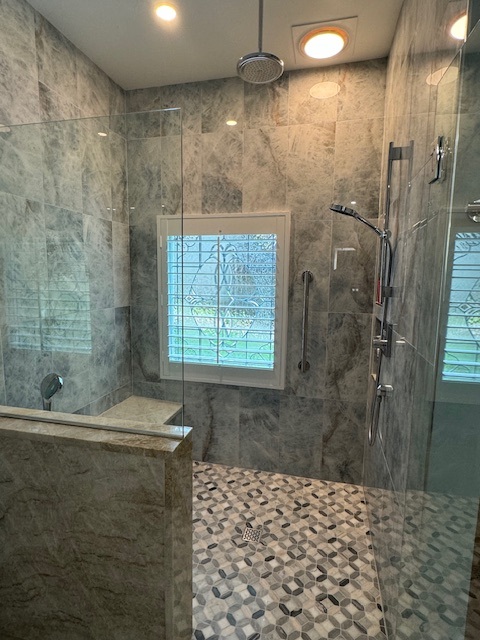
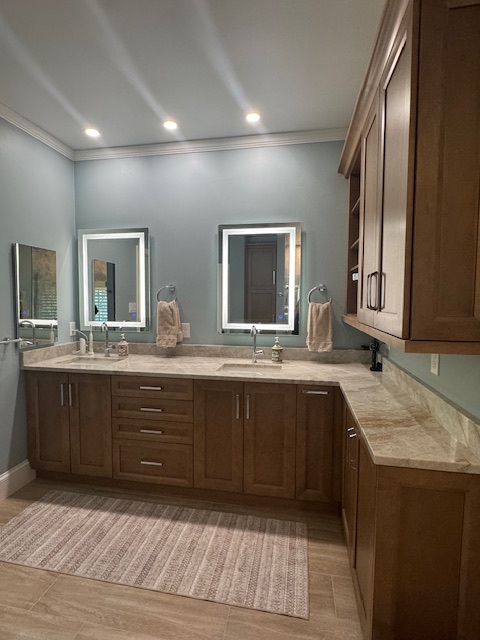
Aging in Place vs Assisted Living: A Local Decision Guide
Compare what it really means to remain at home with smart modifications versus moving to an assisted living community. Simone helps families weigh quality of life, safety, costs, and timelines so you can choose the right path and start planning with confidence.
Aging in Place or Assisted Living? What to Consider First
Choosing between staying home and moving to assisted living starts with an honest look at daily life. How independently are activities of daily living (ADLs) like bathing, dressing, and meal prep handled? Would targeted home changes and caregiver support maintain dignity and control, or would 24/7 oversight and on-site medical staff offer needed peace of mind?
Many older adults prefer familiar surroundings and neighborhood routines, while others appreciate the amenities, dining, and social programming offered by assisted living. Either route can support safety and well-being when matched to the right care level.
Simone guides households through this comparison, clarifying care needs, home suitability, cost implications, and realistic next steps—so the decision is proactive rather than rushed by a crisis.
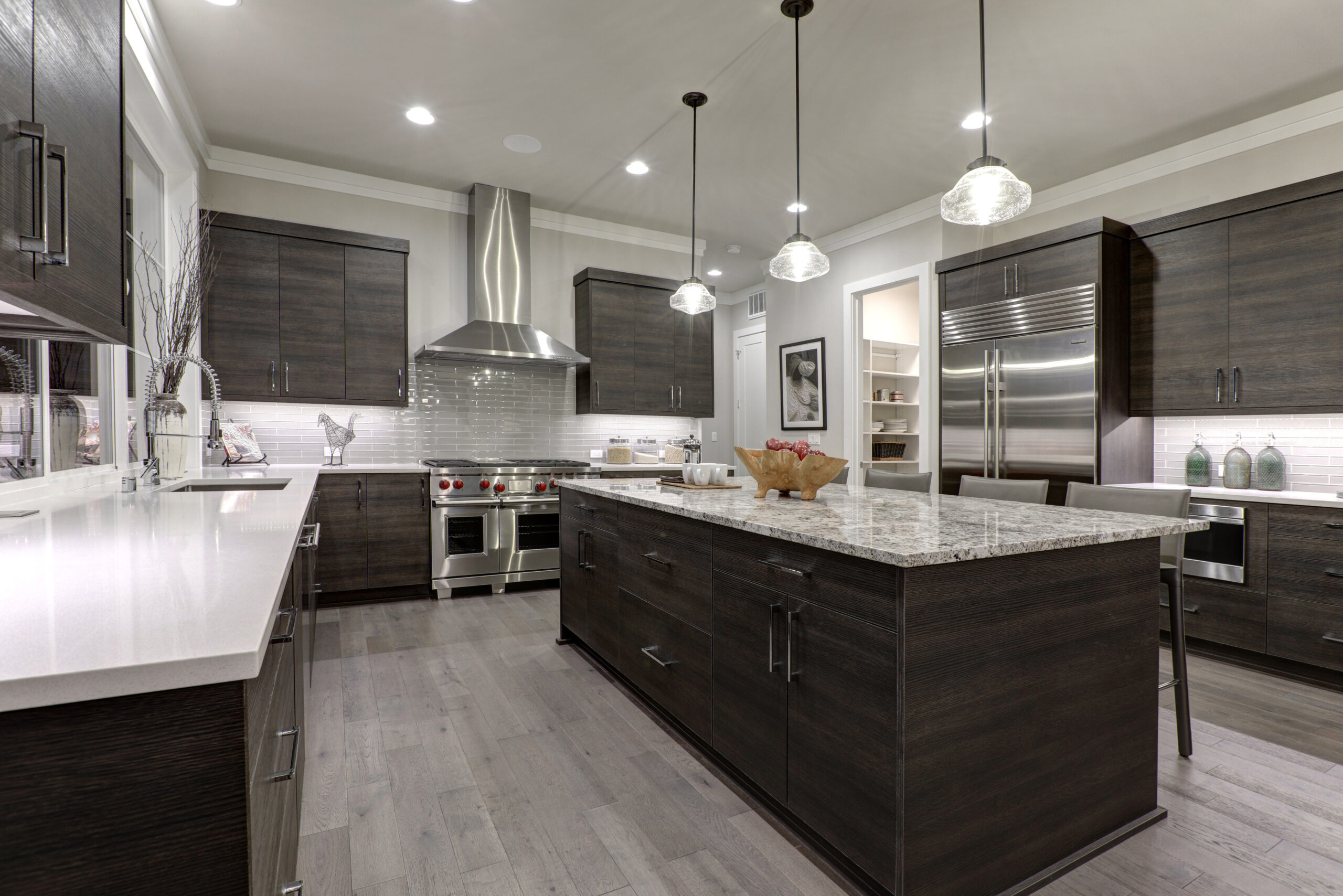
What Does Aging in Place Involve?
Aging in place centers on adapting the current home and support system to sustain independence. This often blends practical modifications with caregiver planning, medication management, and routine check-ins to reduce fall risk and simplify daily tasks.
Universal design principles make spaces usable for people of all ages and abilities without a clinical feel. When thoughtfully applied, the home remains familiar while becoming safer, easier to navigate, and more comfortable.
Key considerations at home include:
- Reducing fall hazards and creating clear, step-free paths
- Ensuring doorways and entries accommodate walkers or wheelchairs
- Improving reach, storage, and appliance access to limit strain
- Enhancing lighting and simple, intuitive controls
- Upgrading surfaces for traction and visibility
- Adding smart technology for alerts, lighting, and remote monitoring
Simone helps evaluate if these changes—paired with local caregiver or family support—can safely extend time at home, or if assisted living would better meet evolving needs.
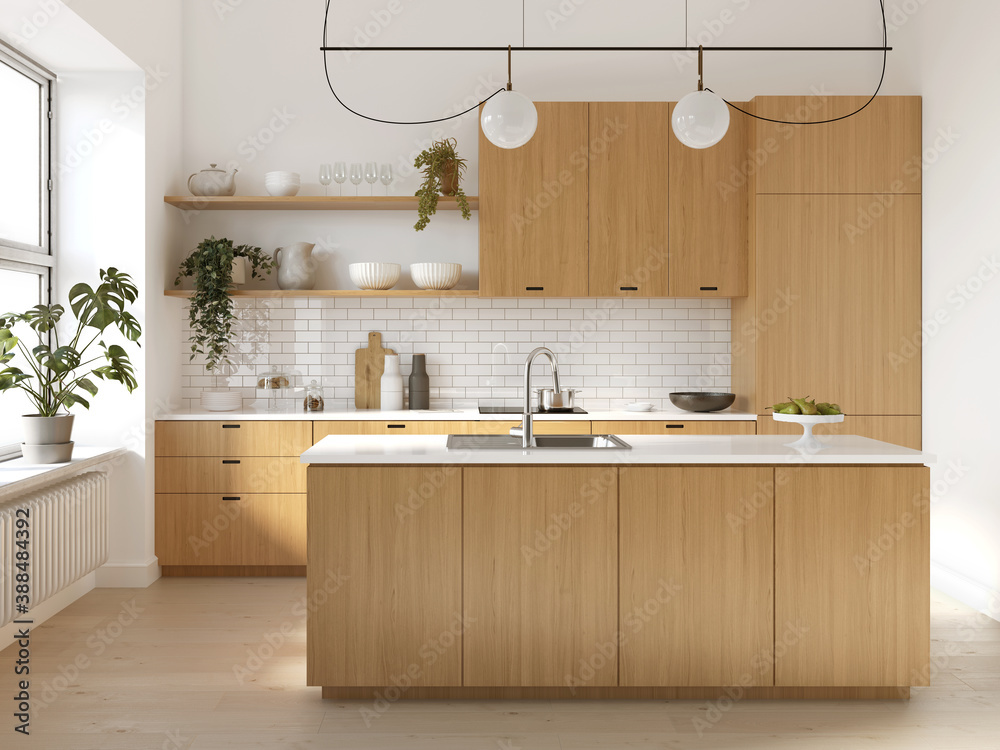

Cost Snapshot: Home-Based Supports vs Assisted Living
Budgets vary, but understanding typical ranges clarifies long-term planning. Below are common scenarios families compare.
Targeted Home Supports (variable)
For those with mostly independent ADLs, modest upgrades and part-time help can be cost-effective. Think essential safety updates, basic technology, and limited caregiving hours.
Expanded Home Strategy (variable)
When mobility or supervision needs grow, plans often include bathroom and entry improvements, accessibility upgrades throughout, and more frequent caregiver visits. Monthly expenses will reflect both one-time home work and ongoing support.
Assisted Living Community (monthly fees)
Assisted living bundles housing, meals, activities, and help with ADLs into a predictable monthly rate, with add-on fees for higher care levels. It can reduce family coordination but may exceed the ongoing cost of staying home if care needs are light.
Simone outlines realistic local costs, including upfront home needs and recurring care or community fees, so your financial picture is clear before you decide.
What Drives the Decision
Several core factors should lead the choice between aging in place and assisted living.
- Care Level and Supervision: Frequent assistance with ADLs, wandering risk, or complex medication schedules may favor assisted living’s on-site staff.
- Home Suitability: A layout that can be adapted for safe movement—step-free entries, main-floor living—supports staying home.
- Social Connection: If loneliness is rising, consider whether neighborhood ties, senior centers, and transportation solve it, or if community life would help more.
- Budget and Predictability: Compare one-time home work plus variable caregiving to ongoing community fees and potential annual increases.
- Timing and Resilience: If a fall or hospital stay would force a quick move, pre-planning aging-in-place upgrades or short-listing communities avoids rushed choices.
Simone helps prioritize what matters most—safety, autonomy, social life, and cost—so your plan reflects real needs today and flexibility for tomorrow.
Quality of Life, Safety, and Healthcare Access
Daily experience should guide the path you choose. Aging in place preserves routines, pets, gardens, and neighbors; paired with monitoring tech and caregiver visits, it can offer strong safety for those with manageable needs.
Compare with assisted living:
- Built-in support for ADLs and medication reminders
- On-site dining, activities, and opportunities to meet peers
- Escalating care options within a continuum of care, if available
- Transportation for appointments and errands
If you’re undecided, explore trial stays, respite care, or a short-term rehab transition to test fit. Simone can coordinate a home assessment and outline phased upgrades, or help you evaluate whether a move would better match current and future health needs.
Planning Steps and Timelines
Whichever direction you lean, make decisions before a crisis. Start with a needs assessment, review home feasibility, and price out local caregiver support versus community fees.
Suggested actions include:
- Schedule an Aging in Place Home Assessment to identify immediate and future home adjustments
- Map transportation, pharmacies, clinics, and social options nearby
- Request assisted living pricing, care level policies, and contract terms
- Consider respite or short trial stays to experience daily life in a community
- Build a budget that covers ongoing expenses and a cushion for changing care needs
With Simone, you’ll move from uncertainty to a clear, step-by-step plan tailored to your home, health, and priorities.
How Simone Supports Your Choice
Our role is to make the complex manageable. We evaluate home suitability, outline right-sized modifications, and coordinate with trusted local resources. If assisted living is a better fit, we help you compare options and timing without pressure.
We draw on best practices and current standards to ensure safety, function, and comfort guide every recommendation—because the best decision is the one that protects independence, well-being, and budget over time.
Technology Trade-Offs: Home Tech vs. Assisted Living Support
When comparing aging in place to assisted living, technology can bridge many gaps at home—especially for safety and daily routines—while assisted living offers on-site staff and structured services.
At home, helpful options include:
- Voice assistants to control lights, locks, and appliances
- Programmable thermostats and medication reminders
- Security systems with caregiver alerts and camera check-ins
- Motion-activated night lighting to reduce fall risk
These tools can enhance independence at home, but they don’t replace the hands-on supervision available in assisted living. Simone helps families weigh which tech investments make sense versus when on-site care may be the safer fit.
Hidden Costs to Consider
Budget comparisons should look beyond headline prices. Both aging in place and assisted living involve expenses families often overlook.
Potential hidden costs include:
- Home utility increases, smart devices, and subscription monitoring for safety
- Unplanned accessibility updates after a fall or hospitalization
- Private-duty caregiving hours not covered by insurance
- Community fees in assisted living (move-in, levels of care, medication management)
Setting aside a 10–20% contingency—whether for home adaptations or future care-level changes—helps maintain flexibility as needs evolve.
Decision Timeline: From Evaluation to Move or Remodel
Choosing between aging in place and assisted living works best with a clear plan and realistic timing.
Typical steps include:
- Initial needs assessment: review ADLs, medical needs, and caregiver availability
- Options review: home suitability, modification scope, and local assisted living communities
- Budget planning: upfront costs, monthly fees, and ongoing support
- Implementation: schedule home improvements or arrange community tours and trial stays
- Follow-up: reassess safety and comfort after changes or move-in
Some families can decide within weeks; others plan over several months to align finances, renovations, and care coordination.
Simone Feldman Designs guides families through a structured process so decisions are timely, informed, and centered on safety and quality of life.
Value Over Time: Independence, Safety, and Costs
The right choice balances dignity, social connection, and clinical needs. Aging in place can preserve routines and neighborhood ties with targeted upgrades, while assisted living can consolidate meals, activities, and supervision under one roof.
Improvements such as wider clearances, modern bath updates, and discreet safety tech can extend safe independence at home and may boost resale appeal.
Comparing long-term expenses—including ongoing home support versus monthly community fees—helps determine which path offers the best value for your circumstances.
Why Partner with Simone Feldman Designs?
Simone Feldman Designs brings design expertise to life-care decisions, translating care needs into practical home solutions and offering a clear framework for comparing assisted living options.
Our approach includes:
- Personalized consultations focused on ADLs, mobility, and daily routines
- Transparent budgets that weigh home updates against community fees
- Application of universal design to promote safety and ease of use
- Collaboration with vetted contractors and local care resources
- Detailed oversight from planning through post-project check-ins
The result is a plan that supports independence now and adapts as needs change—at home or in transition.
Budgeting Tips for Comparing Options
Build a side-by-side budget that reflects current needs and likely changes over the next 3–5 years.
- Fund essential safety measures first—falls and medication errors drive most costs
- Project future care levels and hours (home aides) or tiered assisted living fees
- Account for transportation, meals, housekeeping, and social activities
- Include a contingency for health events and care escalations
- Use durable, low-maintenance solutions to limit ongoing expenses
Simone Feldman Designs helps families map realistic budgets that align safety, comfort, and financial goals.
Cost-Saving Strategies
Prioritize what delivers the greatest quality-of-life impact for the least ongoing cost.
- Target high-risk areas at home (entries, bathrooms, lighting) before cosmetic changes
- Phase updates to match evolving care needs; reassess every 6–12 months
- Leverage tech and community services to supplement family caregiving
- Avoid overbuilding; right-size modifications to current and near-term needs
- Work with experienced aging-in-place specialists for efficient, code-compliant work
These steps help keep monthly costs predictable while preserving safety and independence.
FAQs: Aging in Place vs. Assisted Living
How do I decide between staying home and moving to assisted living?
Start with an ADL/IADL assessment, fall risk review, and medication management needs. If daily supervision or frequent hands-on help is required, assisted living may be more appropriate. If needs are moderate and the home can be made safer, aging in place can work well.
What are the typical costs for each path?
Aging in place involves one-time home updates plus ongoing support (caregiving hours, tech, transportation). Assisted living has monthly fees that rise with care level. Compare 3–5 year totals, not just the first year.
Can technology replace in-person care?
Technology improves safety monitoring and routines but cannot substitute for bathing, transfers, or 24/7 supervision. Use it to supplement, not replace, human care.
What is the continuum of care?
A continuum of care allows support to increase over time—from independent living to assisted living and memory care—without multiple disruptive moves.
Can we try before deciding?
Yes. Consider respite stays in assisted living or a short-term home trial with added services to evaluate safety, social fit, and routines before a long-term commitment.
Plan with Confidence
A thoughtful comparison considers quality of life, safety, social connection, home suitability, and long-term costs. Mapping these factors to your timeline makes the next step clear.
Simone Feldman Designs offers structured assessments, transparent budgeting, and practical home recommendations. With balanced guidance and a focus on independence, Simone helps families choose the right path—remodel to stay or transition smoothly to assisted living.
Our Service Area
Simone Feldman Designs proudly provides Aging In Place design services for homeowners in Alpharetta, Johns Creek, Milton, and Roswell, GA and surrounding communities. With a thoughtful, safety-focused approach, Simone creates kitchens and bathrooms that support long-term comfort, accessibility, and independence without sacrificing style. Whether you’re planning ahead or adapting your current space, each design is tailored to fit your lifestyle and evolve with your needs—so you can remain confident and comfortable in your home for years to come.