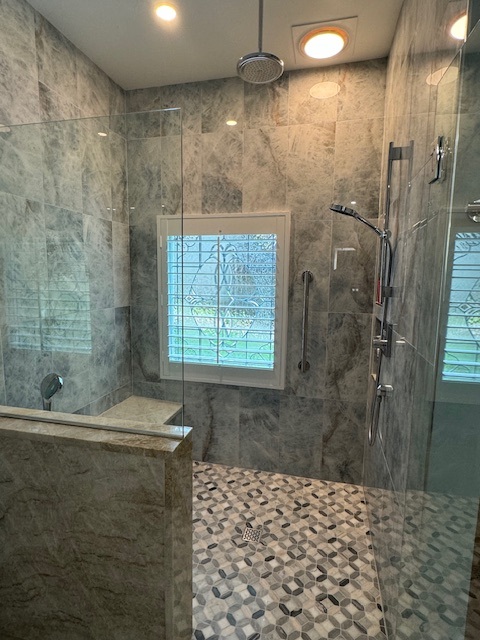
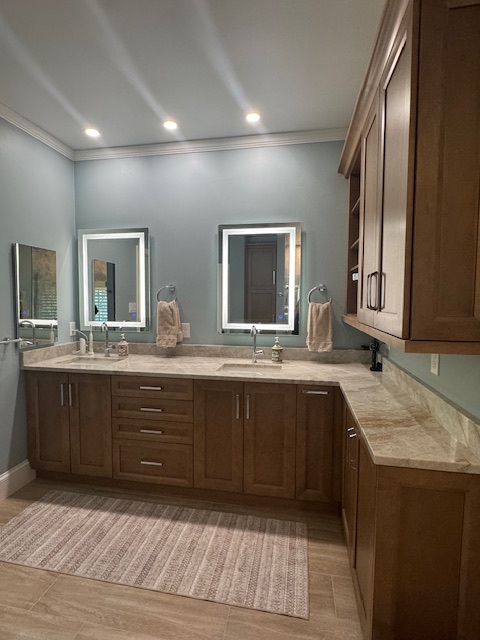
Bathroom Remodel ROI: What Delivers Real Value
Discover how to maximize the return on investment from a bathroom renovation—from setting a budget and scope to smart finishes and timing your project before listing. Contact Simone Feldman Designs today.
Bathroom Remodel ROI: Setting Expectations From Start to Finish
Resale value starts long before demo day. Strong ROI comes from market-aware planning, realistic cost modeling, and product selections that align with buyer expectations in your price point. That means confirming comparables, choosing the right spec level, ordering on time, and coordinating trades so the finished space presents beautifully when you hit the market.
For homeowners in Roswell, Atlanta, and nearby neighborhoods, understanding bathroom remodel ROI can lower risk and improve marketability. While every home and buyer pool is different, a value-driven approach typically follows clear steps: discovery, budget and scope alignment, design to target buyer preferences, selections at the right tier, ordering, permitting when required, construction, punch-out, and a listing-ready finish.
Simone Feldman Designs leads each phase with ROI in mind. With more than 40 years in renovation and design, Simone brings data-informed guidance, precise cost control, and transparent communication to ensure your bathroom investment supports faster sales and stronger offers when it’s time to list.
How Much Value Does a Bathroom Remodel Recoup?
While costs vary, ROI hinges on matching scope to your home’s price band and local buyer expectations. In many Atlanta-area neighborhoods, midrange bathroom updates commonly recoup a substantial portion of their cost at resale, while highly customized, upscale builds tend to yield lower percentage returns but can shorten days on market for premium listings.
Targeted upgrades—new vanity and counters, updated plumbing fixtures, fresh tile in key zones, and a modern shower system—often outperform full gut-and-rebuild projects on a percentage basis. In contrast, moving plumbing, extensive structural work, or specialty imports increase spend and timeline and should be justified by your comps or a clear strategy to elevate listing price.
Bathroom remodel ROI can also be influenced by:
- Age and condition of existing finishes and fixtures
- Number of baths being refreshed before listing
- Whether the layout remains or plumbing is relocated
- Electrical updates required to meet current code
- Permit needs and inspection timing
- Product availability and lead times that affect listing prep
- Custom cabinetry vs. in-stock or semi-custom options
- Tile complexity and labor intensity
- Shower glass fabrication windows near photo day
- Hidden conditions impacting budget contingency
- Trade availability and sequencing relative to your market window
Rather than chasing the highest spend, focus on cost-to-impact ratio. Upfront planning, value engineering, and timely ordering help control costs, minimize scope creep, and deliver a polished result that photographs well and speaks to the largest buyer pool.


Phase 1: Goals, Budget, and Market Fit
ROI begins with clarity: your home’s price point, your target buyer, your budget, and how the current bathroom affects marketability today.
During the initial consultation, Simone Feldman Designs reviews how updates could influence resale in Roswell, Atlanta, and adjacent neighborhoods. Discussion often includes whether buyers in your area prefer a walk-in shower over a tub, the spec level expected in nearby comps, neutral finishes for broad appeal, and which dated elements most suppress offers.
This stage is also the time to define scope for value. Homeowners should be prepared to share:
- Inspiration images aligned with local buyer tastes
- Must-haves that matter at resale (e.g., double vanity, quality quartz)
- Household needs now vs. listing plans in the next 12–36 months
- Budget range and tolerance for contingency
- Whether the current footprint will remain to protect ROI
- Known leaks, moisture issues, or repairs impacting appraisal
- Desired completion date relative to listing photos and showings
Grounding the project in market realities helps prioritize selections that boost perceived value, reduce days on market, and protect your cost recoup.
Phase 2: Aligning Plan With Buyer Preferences
A bathroom that shows well and appraises cleanly requires a plan calibrated to comparables. This includes footprint decisions, fixture placement that avoids plumbing moves when possible, and storage solutions buyers expect at your spec level.
Beyond where the vanity and shower fit, planning weighs how the space reads in photos and tours—sightlines, light, and a cohesive material palette that supports a move-in-ready impression.
A value-forward plan may consider:
- Door swing and clearances that improve flow
- Toilet privacy for appraiser and buyer appeal
- Vanity width and drawer configuration buyers expect locally
- Shower size and entry that favor broad usability
- Tub presence if demanded by the neighborhood’s buyer pool
- Adequate clearances that signal quality construction
- Natural light enhancements that improve listing photos
- Linen and towel storage that supports daily function
- Convenient outlet locations for grooming tools
- Code-compliant ventilation that supports longevity
- Layered lighting for balanced, flattering illumination
- Accessibility features that widen buyer interest when appropriate
In compact baths, targeted upgrades—clean vanity lines, a larger mirror, glass shower, and durable surfaces—often yield strong ROI without moving walls. In primary suites, right-sizing the shower, securing a double vanity, and a discreet water closet typically resonate with higher-end buyers.
Simone Feldman Designs uses 3D visuals to confirm proportion, storage, and finish cohesion before dollars are committed—reducing changes later and protecting your budget-to-recoup ratio.
Phase 3: Selections That Balance Cost and Recoup
Once the plan is set, product choices determine both spend and perceived value. The goal: durable, low-maintenance materials and fixtures that present like new at photo day and hold up through inspections and showings.
Selections may include:
- Vanity cabinetry and hardware with durable finishes
- Quartz or other low-maintenance countertops
- Reliable faucets and sinks at the right spec tier
- Shower system and trim with broad buyer appeal
- Bathtub choice where local comps expect one
- Water-efficient, comfortable-height toilet
- Floor and wall tile that reads timeless in photos
- Niche and accent materials used sparingly for polish
- Grout color that minimizes maintenance appearance
- Mirrors and medicine cabinets that add storage
- Lighting that flatters skin tones and brightens photos
- Quiet, code-compliant exhaust solutions
- Thoughtful transitions for a seamless look
- Coordinated accessories that complete the space
- Shower glass style sized to timelines and cleaning ease
Each selection should reflect your neighborhood’s price band and maintenance expectations. For example, quartz counters and quality midrange fixtures typically yield better recoup than ultra-custom pieces. Neutral, cohesive palettes broaden appeal; bold accents are best kept easily replaceable.
Ordering early protects your listing schedule. Custom cabinets, specialty plumbing, decorative lighting, tile, and glass can extend lead times; securing them upfront helps you hit photos and open house dates without costly rushes.
Simone guides you through value engineering—where to invest, where to save, and how warranties and low-maintenance choices can strengthen buyer confidence, appraisal outcomes, and overall ROI.
Phase 4: Budgeting for ROI, Ordering, and Permits
Once your renovation goals are set and finishes are chosen, Simone helps translate design decisions into a clear cost picture tied to likely resale impact. We refine the scope to avoid over-investing for the neighborhood, lock pricing, place orders, and map a schedule that supports your listing timeline.
Availability and lead times directly influence ROI when you plan to sell. Launching demolition before key products are secured can extend downtime, push your listing date, and reduce market momentum.
To protect your return, this planning stage may include:
- Confirming labor and installation costs
- Ordering cabinets, tile, fixtures, lighting, and countertops
- Reviewing product lead times
- Coordinating specialty materials
- Finalizing plans for plumbing and electrical work
- Scheduling trades
- Applying for permits, when required
- Preparing for inspections
- Establishing a construction start date
Permits aren’t always needed for cosmetic updates, but they’re typically required for plumbing, electrical, or structural changes. Inspection cycles can affect days-on-market strategies, so we align permit timing with your planned listing window.
At Simone Feldman Designs, project planning is value-engineered for ROI. We coordinate the right trades, validate pricing against neighborhood comparables, and ensure selections match buyer expectations so the finished bath supports a stronger sale.
Phase 5: Preparing Your Home to Protect Value
Smart preparation minimizes disruption and helps the project stay on schedule—key when timing your renovation with a future listing. If you have only one full bath, arrange short-term alternatives so daily routines don’t cause delays that could impact market timing.
Preparation may include:
- Removing personal toiletries, medications, towels, and décor
- Clearing nearby hallways and access paths
- Relocating fragile items from adjacent rooms
- Creating a temporary grooming station elsewhere in the home
- Planning bathroom use around water shutoffs
- Discussing pet access and household schedules
- Protecting furniture or belongings near the work area
- Confirming parking, entry, and access expectations with the project team
Construction brings dust, noise, and brief utility interruptions. A clearly communicated schedule reduces scope creep and protects your budget—both crucial for cost recoup. Our team outlines who will be on site, the sequence of work, and milestones that affect your prospective listing date.
Simone remains hands-on throughout, visiting regularly and flagging anything that could affect ROI, from lead-time shifts to scope choices that may not resonate with local buyers.
Phase 6: Demolition and Rough Work with Resale in Mind
Demolition reveals the real condition of your bathroom. Addressing issues now prevents buyer inspection red flags later, which can hurt offers or lead to credits at closing.
Hidden conditions may surface, such as past leaks, mold concerns, damaged framing, subfloor irregularities, outdated plumbing, or insufficient wiring. Correcting these items adds perceived quality and reduces post-listing negotiations.
Not every project uncovers problems, but a contingency for both cost and time protects your return. Fixing root issues typically yields better appraisal outcomes than covering them with new finishes.
After demolition, rough construction may include:
- Framing changes
- Plumbing rough-in work
- Electrical wiring and outlet placement
- Ventilation ducting
- Blocking for grab bars, accessories, cabinets, or shower glass
- Shower pan preparation
- Wall repairs or replacement
- Subfloor repairs and leveling
Quality behind-the-walls work supports long-term performance, smoother inspections, and buyer confidence—key drivers of marketability and days on market.
Phase 7: Surfaces That Sell—Waterproofing, Tile, and Finishes
Waterproofing protects your investment and reassures buyers and inspectors. Because tile and grout aren’t waterproof on their own, a complete system behind and beneath the tile reduces risk of future issues that could jeopardize a sale or appraisal.
Depending on the bathroom design, this phase may involve:
- Installing a waterproof shower pan or system
- Preparing shower walls
- Applying waterproofing membranes
- Conducting flood testing when appropriate
- Installing floor tile
- Setting wall tile and shower tile
- Grouting and sealing materials as needed
- Installing a vanity and countertop
- Completing flooring transitions
- Painting walls and ceilings
Installer craftsmanship and appropriate materials help avoid callbacks that can stall a listing. We prioritize timeless, neighborhood-appropriate selections that show well in photos and align with local buyer preferences for greater cost recoup.
Simone Feldman Designs manages skilled trades and reviews the details that elevate perceived quality. From layout symmetry to proper slopes and waterproofing integrity, we ensure what buyers can’t see is as sound as what they can.
Phase 8: Fixtures, Visual Impact, and Buyer Appeal
With major surfaces complete, fixtures and finishing touches create the first impression that drives showings and offers. Strategic upgrades here can boost marketability without overspending.
Typical finishing work may include:
- Installing faucets, shower trim, and toilets
- Hanging mirrors and light fixtures
- Connecting sinks and drains
- Installing cabinet hardware
- Mounting accessories
- Installing shower glass
- Completing paint touch-ups
- Testing lights, outlets, fans, drains, and plumbing fixtures
- Cleaning the space for final review
Custom shower glass is commonly measured after tile is set, so fabrication may extend the schedule. We plan this timing against your anticipated listing date to ensure photos and showings capture the completed space.
Phase 9: Final Walkthrough, Care, and ROI Documentation
The final walkthrough confirms quality and functionality while assembling documentation that supports resale, such as warranties, manuals, and material care guidelines—assets that can reassure buyers and agents.
During the final review, homeowners should understand:
- How to operate plumbing fixtures and exhaust fans
- How to care for countertops, tile, grout, and specialty surfaces
- Whether any materials require sealing or specific cleaners
- How to maintain shower glass and hardware
- What warranty information applies to products or workmanship
- Which final touch-ups or punch-list items, if any, remain
A well-documented, well-finished bathroom can streamline inspections, reduce post-offer concessions, and support stronger buyer confidence—key factors in maximizing cost recoup.
Factors That Influence Bathroom Remodel ROI
Even carefully planned renovations can see ROI shift due to market conditions, product availability, inspection timing, and scope changes. Aligning choices with neighborhood comparables and your prospective buyer pool is essential.
Common reasons ROI may vary include:
- Changes to the scope after work begins
- Delayed cabinetry, tile, lighting, or plumbing fixtures
- Backordered or damaged materials
- Custom fabrication timelines for cabinets, countertops, or shower glass
- Permit and inspection scheduling
- Hidden plumbing, framing, moisture, or electrical issues
- Structural repairs
- Complex tile patterns or custom shower features
- Weather-related scheduling challenges for certain deliveries or exterior access needs
- Homeowner selection changes during construction
To protect your return, decide early, secure key materials before demolition, maintain a realistic contingency, and partner with Simone to right-size the scope, avoid unnecessary upgrades, and time completion strategically relative to your listing.
Plan Your Bathroom Remodel ROI With Confidence
Understanding return on investment is essential before you demo a single tile. A bathroom renovation can lift your home’s marketability, shorten days on market, and recover a meaningful share of costs—when it’s scoped and timed correctly. An ROI‑focused plan weighs midrange versus upscale finishes, aligns the spec level with local comparables, and prioritizes updates buyers notice first, all while protecting your budget from scope creep.
Simone Feldman Designs helps homeowners in Roswell, Atlanta, and nearby neighborhoods make smart bathroom investments. With more than 40 years in residential renovations, Simone translates market data into design choices—advising on finish tiers, value engineering, contractor bids, and scheduling improvements relative to your listing timeline. From material selection to site supervision, every step is geared toward cost recoup and broad buyer appeal.
If you’re weighing a bathroom remodel for resale or near‑term listing prep, contact Simone Feldman Designs to schedule a consultation and develop a clear, ROI‑driven plan tailored to your home and local market.