Best Home Improvements for Aging in Place
Discover the smartest upgrades to make staying at home safer and easier with Simone Feldman Designs. Explore high-impact improvements, practical tips, and start planning a confident, age-friendly home today.
Top Safety Upgrades to Prevent Falls and Burns
Thoughtful home improvements can dramatically reduce fall risks, simplify daily routines, and help you live independently longer. By prioritizing safety, clear circulation, and easy-to-use fixtures, your home can adapt to changing mobility without sacrificing comfort or style.
As more homeowners choose to remain where they are, small, targeted changes often deliver the biggest benefits. The key is knowing which projects to do first and how they work together to support mobility, vision, and balance.
From quick wins like brighter task lighting and lever handles to larger upgrades such as no-step entries and wider doorways, Simone Feldman Designs helps you build a customized improvement plan that blends safety, usability, and attractive design.
What Makes a Home Age-Friendly? Key Principles
An age-friendly home reduces trip hazards, improves reach and grip, and creates clear, well-lit paths from entry to bedroom and bath. The best improvements feel natural to use and blend into the home’s aesthetic.
While universal design principles inform these choices, aging in place focuses on today’s needs and near‑term mobility changes—lever handles, contrasting edges, and simple controls that make everyday tasks safer and more intuitive.
High-impact upgrades include:
- Secure, well-placed grab bars and reinforced blocking for future supports
- Widened doorways (often 36 inches) and smooth threshold transitions
- Adjustable-height or pull-down storage to improve reachability
- Large, rocker-style or smart switches positioned at accessible heights
- Non-slip flooring and tight, low-profile thresholds to reduce trips
- Smart alerts for lighting, water, and security to prevent accidents
Simone Feldman Designs weaves these elements into cohesive interiors that look inviting while quietly enhancing safety and ease of use.

Priority List: High-Impact Upgrades by Safety and ROI
The best home improvements for aging in place range from simple weekend updates to strategic remodels. Here’s how homeowners commonly phase projects for maximum safety and value.
Starter Upgrades (Approx. $5,000–$15,000)
High-return essentials: brighter lighting, lever door hardware, added railings on both sides of stairs, slip-resistant flooring, and threshold ramps. These deliver immediate fall-risk reduction with minimal disruption.
Mid-Level Projects (Approx. $15,000–$50,000)
Circulation and bath improvements: widen key doorways to 36 inches, convert at least one bath to a low- or zero-threshold shower, reinforce walls for supports, and rework kitchen zones for safer reach and movement.
Comprehensive Upgrades ($50,000–$150,000+)
Whole-home flow: create a no-step entry, reconfigure layouts for single-level living, integrate smart lighting and water alerts, and optimize kitchen and bath for long-term mobility.
Simone Feldman Designs develops phased plans so you can address the most important safety items first and expand improvements as needs evolve.
How to Choose the Right Improvements for Your Home
Focus on changes that lower fall and burn risks, simplify daily movement, and fit your home’s layout.
- Labor and Materials: Structural work like widening doors or creating no-step entries drives costs more than surface updates such as lighting and hardware.
- Scope of Work: Targeted safety upgrades cost less and offer quick wins; broader circulation fixes require more planning but deliver lasting independence.
- Layout Changes: Rerouting traffic paths, removing tight turns, or improving bathroom access can transform usability and safety.
- Material Selections: Durable, non-slip surfaces, high-contrast edges, and easy-clean finishes reduce accidents and maintenance.
- Technology Integration: Motion lighting, water leak sensors, and appliance shut-off alerts add convenience and prevent costly incidents.
Simone helps you rank projects by safety, usability, and return on investment, then sequences them to match your budget.
Bathroom Essentials and Quick Wins
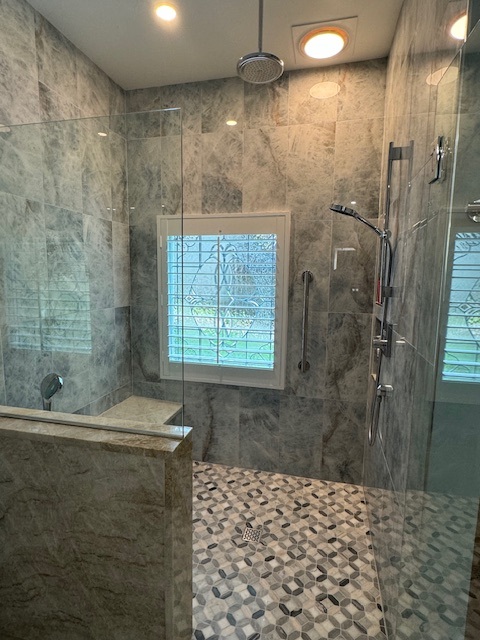
Because most falls happen in the bath, start with stability, visibility, and simple controls. These upgrades improve confidence without a full gut renovation.
Quick, high-impact changes:
- Low- or zero-threshold shower to reduce step-over height
- Reinforced walls and tasteful grab bars for secure support
- Non-slip flooring and contrasting edges at transitions
- Wider doorway and a clear, straight path from bedroom
- Bright, glare-free lighting and quiet, effective ventilation
Costs vary by scope, but even modest adjustments can sharply reduce fall risk and make daily routines easier.
Kitchen Accessibility Enhancements
In the kitchen, aim for safer reach, clear work zones, and heat-awareness. The right changes minimize bending, lifting, and overstretching.
Consider:
- Adjustable or varied-height work surfaces for seated or standing prep
- Pull-out shelves and drawers to bring items within easy reach
- Task and under-cabinet lighting with large, easy-to-use switches
- Wider, unobstructed pathways and lever or touch faucets
- Smart timers and appliance alerts to reduce burn and overflow risks
These enhancements improve safety and efficiency while preserving the kitchen’s character and flow.
Work With Experienced Aging-in-Place Pros
Partnering with designers familiar with mobility, vision, and balance challenges leads to better outcomes. Professionals trained in accessibility understand how to blend safety upgrades with a home’s style.
Credentials like CAPS (Certified Aging-in-Place Specialist) indicate focused training on age-friendly design methods and building best practices.
Simone Feldman Designs applies proven aging-in-place strategies—prioritizing falls and burns prevention, safer entries, and clear circulation—to deliver beautiful, practical spaces that support independence.
Smart Alerts and Assistive Technology
The best home improvements for aging in place increasingly include smart devices that reduce effort and add an extra layer of safety. When selected thoughtfully, these upgrades support daily routines, prevent accidents, and let family members stay informed without being intrusive.
High-impact options to consider:
- Voice-controlled lights, plugs, and appliances to minimize reaching and bending
- Smart thermostats that learn schedules and prevent overheating or overcooling
- Doorbell cameras and security systems with smartphone alerts for visitors and deliveries
- Motion-activated night lighting in halls and bathrooms to reduce fall risk
Though smart features add to upfront costs, they deliver long-term value by improving safety, simplifying tasks, and extending independence at home.
Hidden Costs to Consider for Accessibility Work
Planning the best home improvements for aging in place means accounting for items that don’t always appear on the first estimate. A realistic budget helps prevent delays and compromises.
Potential hidden expenses include:
- Bringing older electrical or plumbing up to current standards for new fixtures
- Framing changes to widen doorways or create no-step entries
- Extra labor for custom thresholds, ramps, or built-in support blocking
- Permit fees and inspections required to meet local codes
Setting aside a 10–20% contingency cushions these surprises and keeps your project on track.
Project Timeline: From Quick Wins to Full Remodel
The duration of the best home improvements for aging in place depends on the number of rooms, the level of structural work, and material lead times.
Most projects move through these steps:
- Initial consultation and assessment
- Design and planning
- Material selection
- Construction and installation
- Final walkthrough and adjustments
Single-room upgrades like lighting, lever handles, and threshold ramps may wrap in weeks, while whole-home circulation and entry improvements can take several months.
Simone Feldman Designs sequences work to reduce disruption, coordinating trades and inspections so each phase is efficient and high quality.
Long-Term Value and Resale Considerations
Strategic aging-in-place upgrades deliver value beyond comfort. Safer entries, better lighting, and easy-to-operate fixtures reduce injuries and maintenance costs while appealing to future buyers.
Features such as wider doorways, modern bath updates, and smart alerts are sought after across age groups, enhancing marketability without sacrificing style.
Most importantly, these improvements can delay or avoid assisted living expenses, allowing homeowners to remain in familiar surroundings with greater confidence.
Why Choose Simone Feldman Designs?
Simone Feldman Designs specializes in practical, beautiful aging-in-place solutions. Simone pairs design expertise with on-the-ground knowledge of safety standards to create homes that work today and adapt over time.
Her approach includes:
- Personalized consultations tailored to individual needs
- Transparent breakdowns of labor and material costs
- Integration of universal design principles
- Collaboration with trusted contractors and specialists
- Attention to detail throughout every phase of the project
The result is a home that improves daily living, looks great, and supports independence for years to come.
Budget Tiers: Starter, Mid, and Comprehensive Plans
Align spending with the upgrades that deliver the most safety and usability per dollar.
- Tackle fall and burn prevention first: lighting, grab bars, anti-scald valves, and non-slip surfaces
- Plan for future mobility with wider doorways and lever handles even if not needed today
- Reserve funds for entry improvements and system updates that affect code compliance
- Include a contingency to cover surprises behind walls or under floors
- Choose durable finishes to minimize maintenance and replacements
Simone Feldman Designs builds phased budgets that protect essentials now and schedule nice-to-have upgrades over time.
Cost-Saving Strategies by Phase
Smart sequencing and product choices can stretch your budget without sacrificing safety.
- Prioritize no-step entries, lighting, and bathroom basics before cosmetic updates
- Phase work: start with quick wins, then address structural changes
- Select long-warranty, low-maintenance fixtures and flooring
- Reuse layouts when possible to avoid moving plumbing or walls
- Partner with specialists experienced in aging-in-place codes and best practices
These strategies help you achieve meaningful, safe improvements while staying within your budget.
FAQs About Aging in Place Upgrades
What’s the Typical Budget Range?
Budgets typically range from around $5,000 for targeted upgrades (lighting, grab bars, lever handles) to $100,000+ for comprehensive entry, bathroom, and circulation improvements.
Which Safety Features Should Come First?
Start with non-slip flooring, grab bars with proper blocking, brighter layered lighting, anti-scald controls, handrails on both sides of stairs, and threshold or ramp solutions at entries.
Universal Design, Explained Simply
Universal design creates spaces that are easy to use for as many people as possible, blending accessibility with attractive finishes. It supports aging in place without making a home feel clinical.
Do I Need a Certified Aging-in-Place Specialist?
Working with certified aging-in-place professionals (such as CAPS) helps ensure upgrades meet safety standards, local codes, and real-world usability needs.
Is Investing in Aging in Place Worth It?
Yes. It reduces fall and burn risks, increases independence, and can postpone costly care transitions while improving home value and day-to-day comfort.
Plan Your Aging in Place Remodel with Confidence
The best home improvements for aging in place focus on safety, simplicity, and long-term adaptability. Knowing how labor, materials, and layout changes affect costs helps you phase work wisely.
Simone Feldman Designs provides clear pricing, expert guidance, and tailored plans. By combining proven safety upgrades, thoughtful product selection, and local code knowledge, Simone Feldman helps homeowners create homes that feel welcoming today and ready for tomorrow.
Our Service Area
Simone Feldman Designs proudly provides Aging In Place design services for homeowners in Alpharetta, Johns Creek, Milton, and Roswell, GA and surrounding communities. With a thoughtful, safety-focused approach, Simone creates kitchens and bathrooms that support long-term comfort, accessibility, and independence without sacrificing style. Whether you’re planning ahead or adapting your current space, each design is tailored to fit your lifestyle and evolve with your needs—so you can remain confident and comfortable in your home for years to come.