Local Aging-in-Place Remodeling Costs Overview
Wondering how much aging in place remodeling costs? Simone Feldman Designs breaks down typical price ranges, what drives your budget, and smart ways to plan a safe, comfortable upgrade without surprises.
What You’ll Spend to Age in Place: Ranges and Real-World Examples
Aging in place remodeling tailors your home to support mobility, safety, and independence as needs change. From barrier-free bathrooms to better lighting and safer entries, the right updates can let you stay where you’re most comfortable—at home.
Costs vary widely, and that’s what most homeowners want to understand first. Whether you’re preparing a single bathroom or phasing updates across the whole house, pricing depends on the scope of work and the level of finish you choose.
Key variables include labor and material choices, any structural modifications, permit requirements, and specialized safety features. Simone Feldman Designs provides transparent, line-item estimates and phased plans so you can match upgrades to your budget and timeline while creating a beautiful, functional space.
Defining an Aging-in-Place Remodel (Scope and Standards)
An aging in place remodel is a targeted set of improvements that align your home with current and future accessibility needs. The goal is to reduce fall risks, simplify daily tasks, and maintain dignity—without compromising style.
Many solutions draw on universal design principles—features that work well for everyone but are especially helpful as mobility, strength, or vision changes. Instead of looking clinical, these updates blend seamlessly into your home’s design and finishes.
Common cost-driving modifications include:
- Adding reinforced blocking and grab bars in tubs and showers
- Widening doorways to 32–36 inches and improving clearances for walkers or wheelchairs
- Adjusting counter and appliance heights for comfortable reach
- Repositioning switches and outlets for easier access
- Upgrading to slip-resistant flooring materials
- Integrating smart controls for lighting, entry, and alerts
Simone Feldman Designs evaluates current conditions, recommends right-sized upgrades, and specifies finishes that look great and perform long term.

Typical Price Ranges by Project and Home Type
Budgets depend on home type, scope, and finish level. The ranges below reflect common package groupings we see in local projects.
Essential Safety Package ($5,000–$15,000)
Focused updates like grab bars with proper blocking, brighter layered lighting, rocker switches, slip-resistant flooring in key areas, and minor entry aids. Minimal demolition and no structural changes keep costs lower.
Targeted Room Upgrades ($15,000–$50,000)
Typical for a bathroom conversion to a curbless shower, doorway widening, partial kitchen accessibility updates, and improved circulation. Includes moderate trades coordination, waterproofing, and mid-grade finishes.
Whole-Home Accessibility ($50,000–$150,000+)
Comprehensive work such as reconfiguring baths and kitchens, reworking hallways and entries, adding lighting circuits, and smart-home safety systems. May include structural changes, permits, and higher-end finishes.
Simone Feldman Designs supplies clear, line-item estimates that separate labor, materials, permits, and allowances so you understand where every dollar goes.
What Drives Price: Scope, Finishes, Permits, and Structure
These factors most strongly influence your final price and timeline.
- Labor and Materials: Skilled trades for plumbing, electrical, tile, and carpentry drive costs; premium slip-resistant flooring, fixtures, and lighting add to materials.
- Scope of Work: A few safety upgrades cost far less than reconfiguring rooms or multiple spaces; larger scopes also add project management time.
- Layout Changes: Widening doorways, reframing walls, or moving plumbing and electrical increases labor and may require permits.
- Material Selections: Finish upgrades—tile, cabinetry, lighting, and hardware—affect both cost and durability; value engineering can keep safety intact while trimming spend.
- Technology Integration: Smart lighting, leak and fall alerts, and access control add convenience and monitoring but increase upfront investment.
Simone helps prioritize must-have safety items first, then layers in wish-list features to align design, usability, and budget.
Bathroom Upgrades: Grab Bars, Curbless Showers, and Costs
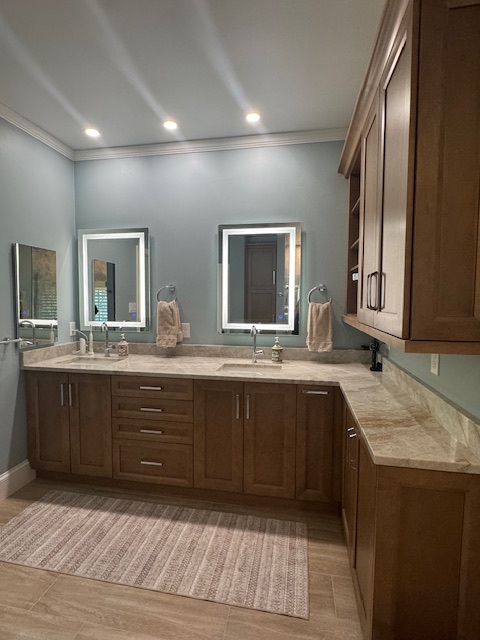
Bathrooms typically see the biggest impact—and carry meaningful cost variability. Waterproofing quality, tile selection, and plumbing changes all affect price.
Common upgrades include:
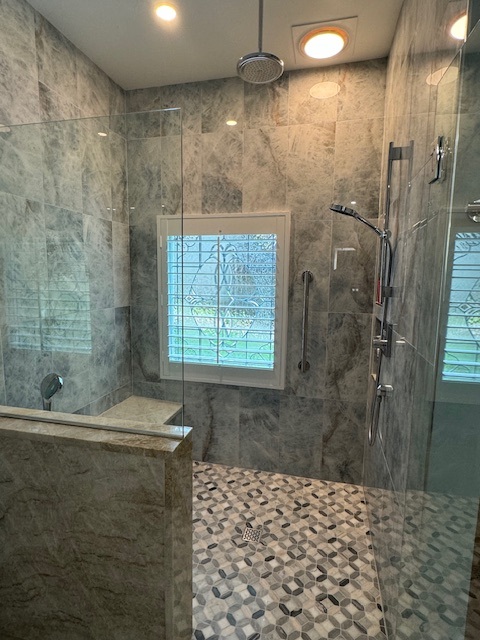
- Converting tubs to curbless, walk-in showers with linear drains
- Installing properly anchored grab bars and handheld showerheads
- Selecting slip-resistant tile or sheet goods with higher friction ratings
- Widening doorways and improving turning clearances
- Adding brighter, layered lighting and better ventilation
Expect most aging in place bathroom projects to fall between $15,000 and $50,000, depending on demolition, plumbing relocation, tile complexity, and fixture quality. Permits and ventilation upgrades can add to the budget.
Kitchen Accessibility: Layout, Cabinets, Appliances, and Costs
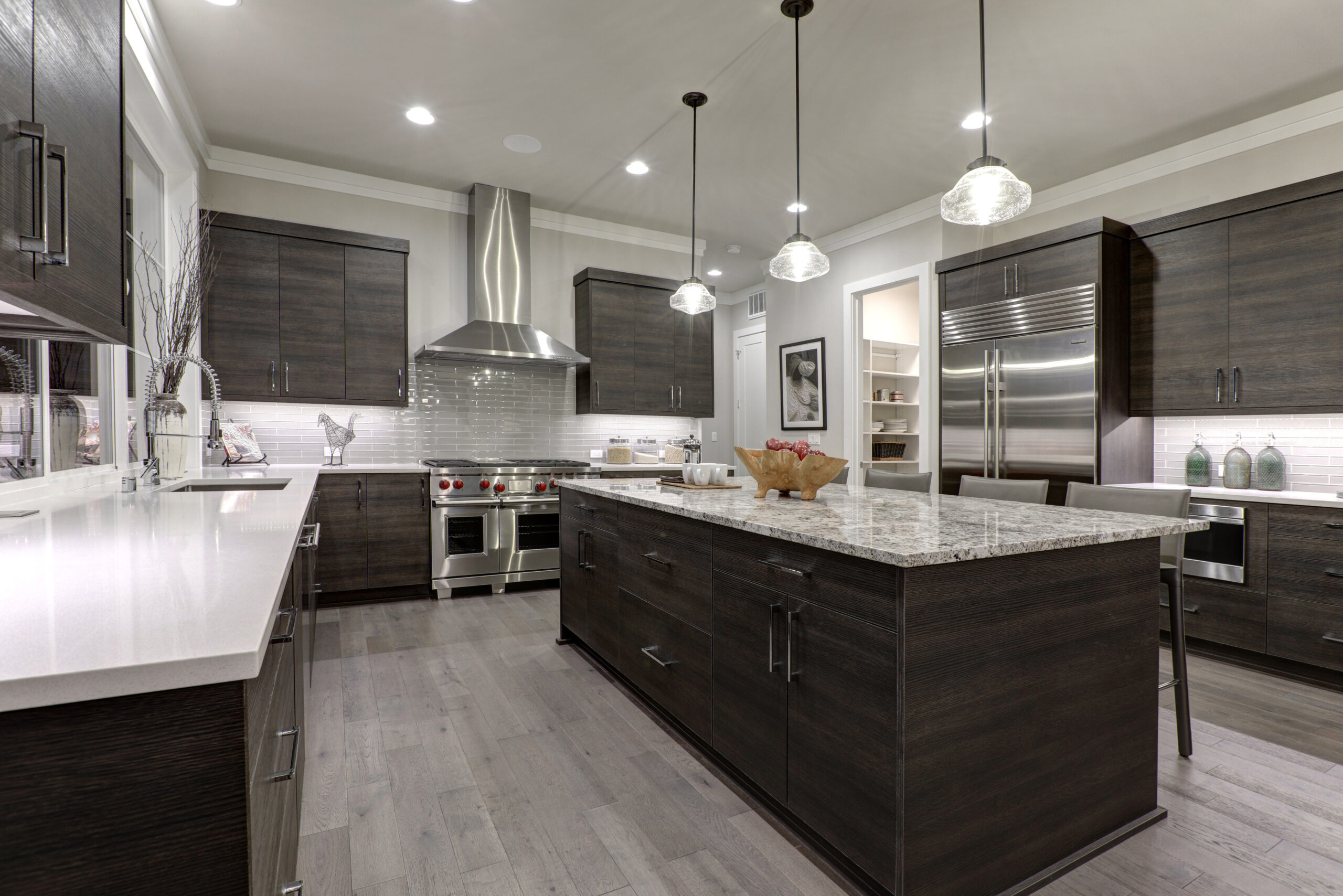
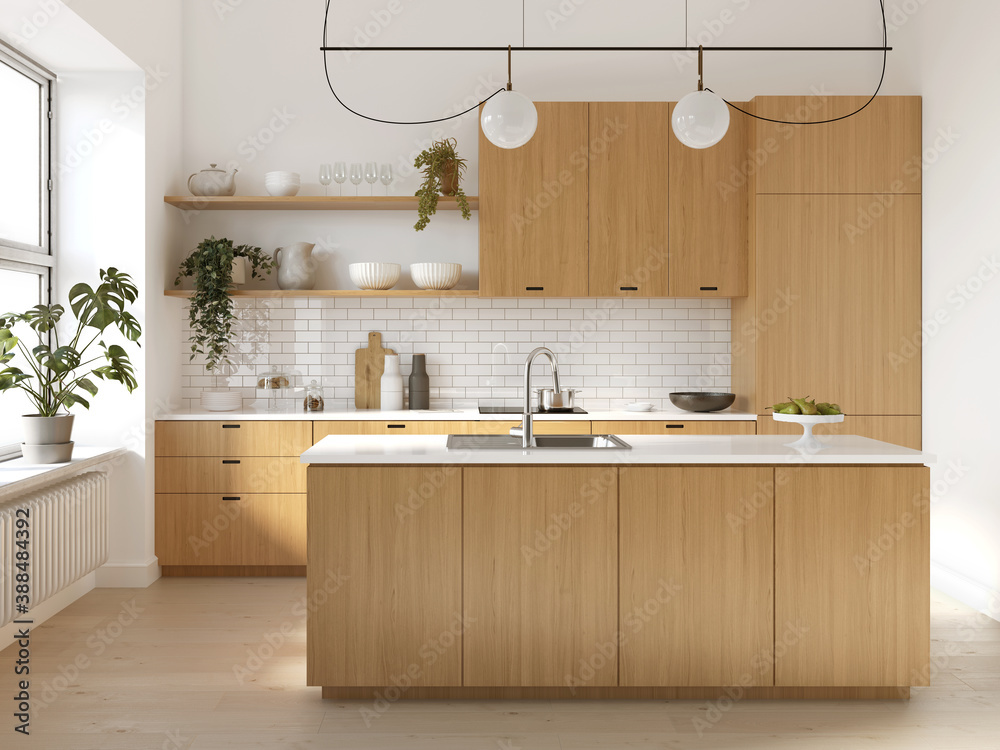
Kitchen costs are driven by cabinetry, appliance changes, and electrical work. Planning efficient reach zones can limit major reconfiguration while improving safety.
Examples include:
- Setting varied counter heights and creating seated prep space
- Adding pull-outs, full-extension drawers, and D-shaped hardware
- Upgrading to task, ambient, and undercabinet lighting with large rocker or smart switches
- Improving clearances and circulation with selective doorway widening
- Integrating smart controls for cooking, lighting, and alerts
Most aging in place kitchen updates range from $25,000 to $75,000, influenced by cabinet scope, countertop materials, appliance swaps, and electrical load increases.
Working With Specialists (CAPS) and When It Affects Pricing
Experience matters. Professionals trained in accessibility and universal design can prevent costly change orders and ensure code-compliant, safe solutions from the start.
Credentials such as CAPS (Certified Aging-in-Place Specialist) reflect training in safe planning, product selection, and project coordination.
Simone Feldman Designs applies these best practices, offering phased budgets, clear allowances, and proactive guidance so your investment delivers long-term comfort and safety.
Smart Home and Lighting Upgrades: Devices, Installation, and Costs
When estimating how much aging in place remodeling costs, smart home upgrades are a line item that can meaningfully affect your total. These add-ons improve safety and day-to-day ease, but pricing varies based on device quality, integration, and installation complexity.
Typical price ranges:
- Voice-activated lighting and appliances: $300–$2,500 per room depending on fixtures and hubs
- Automated temperature controls: $250–$1,200 per thermostat with setup
- Security systems with remote monitoring: $800–$3,500 plus $20–$50/month
- Motion-sensor lighting for nighttime visibility: $60–$400 per location installed
While these features add to the upfront remodel cost, they often reduce future service calls, improve safety, and support independence—benefits that can offset long-term expenses.
Hidden and Soft Costs: Permits, Allowances, and Contingency
Understanding real-world pricing means planning for items that don’t always appear in the first draft of a bid. These can push an aging in place project over budget if not anticipated.
Common hidden costs include:
- Updating outdated wiring or plumbing
- Structural modifications for accessibility
- Additional labor for custom installations
- Adjustments to meet building codes
Set aside a 10–20% contingency to cover unforeseen conditions, permit revisions, or change orders so the project can progress without costly delays.
Schedule, Lead Times, and How They Affect Pricing
Project duration influences labor totals, temporary housing needs, and cash flow. Larger scopes, specialty trades, and custom lead times increase both schedule and spend.
Typical phases include:
- Initial consultation and assessment
- Design and planning
- Material selection
- Construction and installation
- Final walkthrough and adjustments
Small bath updates may run 2–4 weeks; multi-room upgrades often span 6–16 weeks. Allow extra time for permits, inspections, and made-to-order fixtures.
Simone Feldman Designs sequences work to reduce downtime, align deliveries with labor, and limit costly change orders—helping you keep both schedule and budget on track.
Long-Term Value, Safety, and Maintenance Savings
Beyond improving safety, well-planned aging in place upgrades can bolster resale appeal and reduce future expenses. The right improvements can minimize in-home care modifications later and help avoid assisted living costs.
Features such as wider clearances, updated bathrooms, and integrated smart controls are increasingly sought by buyers looking for move-in-ready, accessible homes.
Most importantly, investing now can control long-term living costs and maintain your preferred routine without recurring facility fees.
Why Choose Simone Feldman Designs for Aging-in-Place Projects
Simone Feldman Designs provides precise cost planning for aging in place projects. Simone blends design expertise with transparent pricing so you understand labor rates, material allowances, and where your dollars deliver the most impact.
Her approach includes:
- Personalized consultations tailored to individual needs
- Transparent breakdowns of labor and material costs
- Integration of universal design principles
- Collaboration with trusted contractors and specialists
- Attention to detail throughout every phase of the project
The result is a clear, line-item estimate and a home that balances safety, style, and smart spending.
Budgeting, Phasing, and Financing Options
Start with a scope that matches your goals and funds, then refine finishes and features to stay within range.
- Prioritize critical safety features first
- Plan for both current and future needs
- Allocate funds for structural and system upgrades
- Include a contingency budget
- Invest in durable materials that reduce maintenance
Simone Feldman Designs builds realistic budgets with clear allowances, helping you avoid surprises and make confident trade-offs.
Value Engineering: Cost Savings Without Sacrificing Safety
Reduce spend without reducing safety or quality by focusing on scope and timing.
- Focus on high-impact home modifications
- Complete remodeling projects in phases
- Choose durable, low-maintenance materials
- Avoid unnecessary structural changes
- Work with experienced aging in place specialists
These tactics—often called value engineering—protect your budget while delivering meaningful safety upgrades.
Answers to Common Cost Questions
Typical Total Project Cost Ranges
Budgets typically range from $5,000–$20,000 for targeted updates (lighting, grab bars, smart controls), $20,000–$60,000 for bath or entry overhauls, and $60,000–$150,000+ for multi-room remodels with structural changes.
Priority Safety Features by Budget Tier
Grab bars, non-slip flooring, better lighting, wider clearances, lever handles, and zero-threshold entries deliver strong safety value per dollar.
Universal Design Basics and Cost Implications
It’s a design approach that accommodates a wide range of abilities from the start—often reducing future remodel costs because spaces are already adaptable.
When to Hire a Certified Aging-in-Place Specialist
Working with CAPS or similar pros helps ensure code compliance, accurate line-item estimates, and smart prioritization so you invest where it matters most.
Is an Aging-in-Place Remodel Worth It Financially?
Yes. It can cut long-term living expenses, reduce care risks, and improve resale appeal—benefits that often outweigh the upfront cost.
Plan Your Project: Scope, Line-Item Estimate, and Timeline
Knowing what drives price—scope, finishes, permits, local labor, and lead times—lets you set a realistic budget and contingency. A clear estimate with allowances and phasing options keeps costs predictable.
Simone Feldman Designs provides transparent bids, financing-friendly phasing, and expert guidance so your home upgrades are safe, beautiful, and cost-smart today and in the years ahead.
Neighborhoods and Cities We Serve
Simone Feldman Designs proudly provides Aging In Place design services for homeowners in Alpharetta, Johns Creek, Milton, and Roswell, GA and surrounding communities. With a thoughtful, safety-focused approach, Simone creates kitchens and bathrooms that support long-term comfort, accessibility, and independence without sacrificing style. Whether you’re planning ahead or adapting your current space, each design is tailored to fit your lifestyle and evolve with your needs—so you can remain confident and comfortable in your home for years to come.