Kitchen Trends for 2026
Discover the top kitchen trends for 2026, from warm materials and smarter storage to furniture-style islands and hidden tech that blends seamlessly into your home.
Kitchen Trends for 2026: Warm, Functional, and Smart Design
Kitchen design in 2026 is moving away from stark, all-white “show kitchens” toward warmer, more personal spaces that feel like the heart of the home again. Experts note that homeowners increasingly prioritize smarter storage, natural materials, and integrated technology over purely decorative trends.
Instead of themed farmhouse details or industrial minimalism, today’s kitchens emphasize quiet luxury—comfort, functionality, and subtle character that will age gracefully.
Warm Materials Replace All-White Kitchens
The once-dominant all-white kitchen is fading in favor of warmer, more layered palettes.
Warm Woods and Complex Neutrals
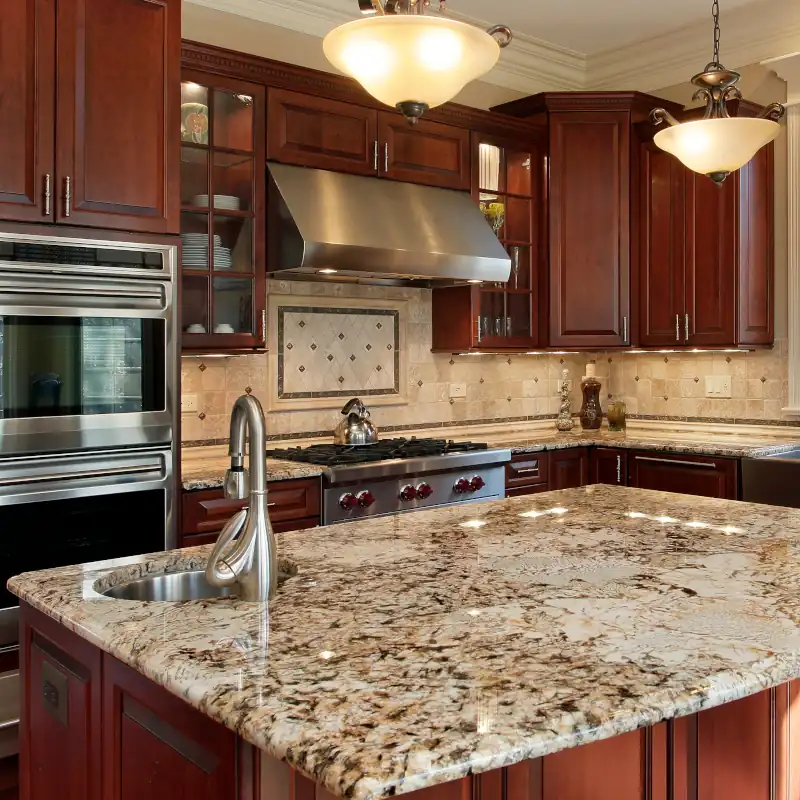
- Wood cabinetry has surged in popularity, with medium-toned and lighter woods now topping homeowner preferences.
- Browns of all shades—warm taupes, cocoa tones, and natural timber—are set to define the look of 2026 kitchens, adding the warmth many people find missing in cold, monochrome spaces.
- Complex neutrals (not just pure gray or white) help kitchens feel sophisticated and welcoming.
Softer, Nature-Inspired Colors
- Soft, nature-inspired colors like sage green, muted blue, dusty lavender, and earthy hues are replacing stark white-and-gray schemes.
- These palettes add personality while remaining calm enough for everyday living and long-term appeal.
In practice: All-white kitchens are no longer the default; they’re being balanced or replaced with warmer woods, layered neutrals, and gentle color to create more inviting, livable rooms.
Storage-First Design and Dedicated Zones
Kitchens in 2026 are designed from the inside out, starting with storage and workflow rather than paint colors.
Built-In Storage as the Foundation
- More homeowners are investing in pantry cabinets, walk-in pantries, and butler’s pantries or prep kitchens.
- Specialty storage—pull-out trash bins, spice drawers, tray organizers, vertical baking sheet storage, and revolving corner trays—is becoming standard rather than a luxury.
- Deep drawers and wide drawer pulls are favored for accessibility and ease of use.
Task-Specific Lifestyle Zones
Designers are using dedicated stations tailored to everyday activities:
- Beverage bars and coffee stations with integrated storage.
- Baking centers with mixer garages and ingredient drawers.
- Snack zones for kids near the fridge and pantry.
- Dedicated homework or charging zones around islands and peninsulas.
These zones make kitchens feel more like customized workspaces and less like generic showrooms.
Furniture-Style Islands and Softer Shapes
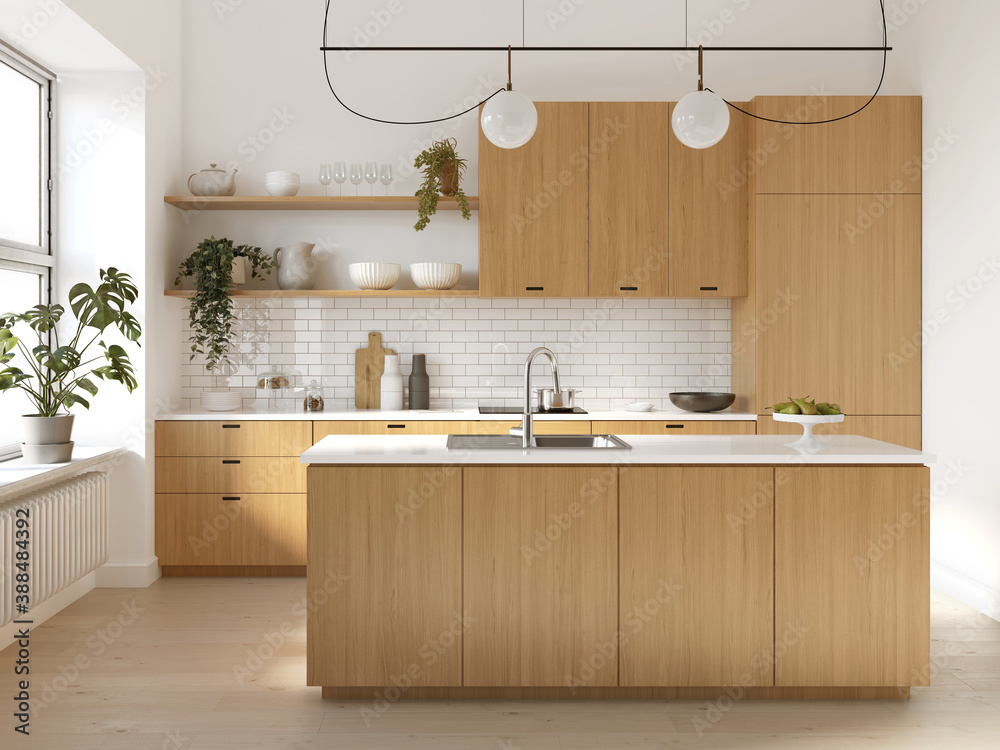
Kitchen islands are evolving from simple blocks into pieces that resemble custom furniture.
Islands That Look Like Furniture
- Islands are being designed with more refined proportions, details, and material mixes—think butcher block or soapstone tops with slender, shaped legs.
- Oversized double islands and “mega blocks” are giving way to thoughtfully scaled islands that balance prep space, storage, and seating.
- In many homes, the island is becoming a centerpiece that feels like an intentional piece of furniture rather than just a big counter.
Curved Forms and Soft Edges
- Curved countertops and islands are trending, softening the look of the kitchen and improving circulation around corners.
- Waterfall countertops remain popular but are appearing with warmer stones and gentler details.
- Rounded corners and eased edges are also part of a broader push toward safety and comfort, especially in family kitchens.
Mixed Materials and Visible Texture
Layered, textured kitchens are replacing flat, uniform surfaces.
Layered Finishes and Textures
- Designers are mixing woods, stones, metals, and painted finishes to create depth and character.
- Textured elements like reeded or fluted cabinet fronts, panelled doors, and glass inserts add subtle visual interest.
- Statement countertops with bold but controlled veining, colored stone, and patinated metals are being used as focal points.
Quiet Luxury
The overarching aesthetic is “quiet luxury”:
- Materials and details are chosen for longevity and understated refinement, not for shock value.
- Kitchens are treated as both hardworking spaces and carefully crafted furniture, merging utility with finely detailed design.
Smarter, Seamless Appliances and Hidden Tech
Technology is increasingly embedded in kitchens, but less visually dominant than before.
Seamless, Panel-Ready Appliances
- Panel-ready refrigerators and dishwashers, flush installations, and integrated handles help appliances disappear into cabinetry.
- Appliance garages and concealed storage keep countertop devices out of sight yet accessible.
- The trend is toward “integrated invisibility” rather than stainless-steel overload.
Subtle Smart Features
- App-controlled ovens and refrigerators allow remote monitoring, preheating, and alerts without requiring flashy interfaces.
- Touchless faucets, motion-sensor lighting, and discreet charging points in islands enhance convenience.
- Technology supports daily routines quietly, instead of turning the kitchen into a gadget showroom.
Designing for Longevity and Aging in Place
More homeowners are planning kitchens that can adapt to future needs and aging in place.
Long-Term Usability
- Pull-out shelves, deep drawers, and wide handles reduce bending and strain.
- Rounded countertops, nonslip flooring, and layered lighting improve safety and comfort.
- Layouts and storage are planned to remain functional and accessible over time, not just for the next few years.
This focus on longevity affects both material choices and layout decisions, encouraging designs that feel timeless rather than trend-driven.
Trend Corrections: What’s Fading by 2026
Several past “it” trends are already feeling overdone or impractical and are fading.
Fading Trends
- Open shelving as primary storage: Attractive in photos but impractical for most households due to dust and clutter; now used more selectively.
- Industrial overload: Heavy concrete, exposed ducts, and cold metal palettes are being replaced by softer, more organic materials.
- Matte black everything: Once ubiquitous, all-matte-black hardware and fixtures are giving way to warmer, mixed-metal palettes.
- Overly themed modern farmhouse: Heavy shiplap, barn doors, and literal rustic motifs are losing ground to more subtle, modern rustic styles.
- Hyper-minimalist show kitchens: Spaces designed to look pristine but not function well are being replaced by genuine working kitchens, sometimes paired with sculleries or prep kitchens behind the scenes.
These corrections reflect a broader desire for practicality and authenticity in everyday spaces.
Layout and Workflow Improvements
Kitchens in 2026 are tightening layouts around real workflow and everyday tasks.
Smarter Layouts and Work Zones
- Designers start with storage and layout, then layer colors and finishes on top.
- Islands and peninsulas are planned to serve multiple roles—prep, cleaning, seating, storage, and sometimes integrated appliances.
- Workflows consider the order of tasks: fridge to sink to prep area to cooktop, minimizing unnecessary steps and congestion.
The result is kitchens that feel intuitive to use, especially for busy families and serious cooks.
Frequently Asked Questions
Are all-white kitchens out of style in 2026?
All-white kitchens are not completely gone, but they’re no longer the default. They’re being warmed up with wood accents, complex neutrals, and texture. Pure, stark white from floor to ceiling is fading in favor of more layered, inviting palettes.
What cabinet colors and finishes are trending for 2026?
Medium and light wood tones, warm neutrals, and soft, nature-inspired colors (such as sage greens and muted blues) are trending. Subtle textures—like panelled or reeded fronts—are increasingly popular, while flat, high-gloss white or heavily distressed farmhouse finishes are declining.
Are open shelves still popular?
Open shelves are used more selectively, not as the main storage solution. A few open shelves or niches are popular for display and visual softness, but most homeowners still prefer closed cabinets for everyday storage to reduce dust and clutter.
What’s new with kitchen islands in 2026?
Islands are becoming more furniture-like and carefully scaled. Instead of oversized double islands, designers favor single islands with refined details, mixed materials, and clear purposes—prep, seating, storage, or integrated appliances. Many islands now act as the true center of family life in the kitchen.
How is smart technology used in kitchens now?
Smart tech is built in and subtle. Common features include app-controlled ovens and fridges, touchless faucets, motion-activated lighting, and hidden charging points. The focus is on convenience and safety rather than flashy displays, with appliances often paneled to blend into the cabinetry.
Plan Your 2026 Kitchen with Simone Feldman Designs
Kitchen trends for 2026 reflect a clear shift toward warmth, functionality, and subtle sophistication. Instead of chasing loud, short-lived trends, homeowners are investing in kitchens that feel genuinely welcoming and are designed around storage, workflow, and everyday life.
Warm woods, complex neutrals, mixed materials, furniture-style islands, smarter storage, and seamless technology define this new era of quiet luxury. When these elements are combined with thoughtful layout and long-term usability, the result is a kitchen that not only looks current today but will remain comfortable and relevant for years.
If you’re planning a kitchen remodel and want a design that feels fresh for 2026 yet timeless over the long term, Simone Feldman Designs can help you interpret these trends in a way that fits your home, lifestyle, and budget. With over 40 years of renovation experience and CKD/CBD credentials, Simone collaborates with Atlanta-area homeowners to create kitchens that are both stylish and deeply functional.
To discuss your 2026 kitchen remodel and explore layout, materials, and trend-compatible choices, contact Simone Feldman Designs at (404) 386-9487 or email simonef_ckdcbd@comcast.net to schedule a design consultation.