Luxury vs Midrange Kitchens: What Truly Sets Them Apart
Thinking about elevating your kitchen? Simone Feldman Designs distills the real differences between luxury and midrange kitchens—so you can invest wisely. With 40+ years of CKBD-certified expertise, we clarify scope, materials, millwork, appliances, tech, labor, and lifecycle costs—translating style goals into the right tier of performance. Schedule your consultation today!
Atlanta’s Guide to Luxury vs Midrange Kitchens by Simone Feldman Designs
Before you pick finishes, understand the strategic split between midrange and luxury kitchens. At Simone Feldman Designs, we define scope, specs, and installation complexity with line-item clarity—so you know when mid-tier solutions deliver great value and when luxury upgrades are worth the premium for durability, customization, and performance.
With more than 40 years in residential renovation, Simone brings award-winning, construction-minded detail to projects across Roswell, Atlanta, and surrounding neighborhoods. We quantify material takeoffs with precise field measurements, assess code and utility impacts for pro-style ranges and panel-ready refrigeration, and coordinate closely with contractors and fabricators. The result: apples-to-apples proposals, realistic lead times, and a design path that matches your target tier—without surprises.
Why This Comparison Matters
Choosing between luxury and midrange kitchens shapes everything—design freedom, installation skill, long-term maintenance, and resale appeal. Clear criteria prevent scope creep, set accurate expectations, and help you decide where upgrades make a meaningful difference.
Knowing the differences helps homeowners:
- Understand core trade-offs in cabinetry construction, countertop materials, appliance tiers, lighting, and plumbing fixtures
- Avoid costly rework by finalizing appliance specs early—panel-ready vs standard-depth, ventilation needs, electrical/gas capacity, and smart tech compatibility
- Plan around lead times and fabrication windows for custom millwork, stone slabs, specialty hardware, and pro installation teams
- Balance first cost vs lifecycle cost by weighing maintenance demands, finish durability, and warranty terms
- Align layout ambitions—like island resizing or butler’s pantry additions—with the mechanical and structural implications typical of each tier
Simone’s Expertise in Kitchen Tiering
Evaluating luxury vs midrange kitchens requires product fluency, fabrication knowledge, and a practical grasp of installation risk. Simone Feldman translates your goals into right-sized specifications—pairing smart investments with craftsmanship that matches the tier you choose.
- Certified Kitchen Designer (CKD) and Certified Bath Designer (CBD) through the National Kitchen & Bath Association (NKBA)
- Certified Aging-in-Place Specialist (CAPS), integrating accessibility seamlessly across tiers
- 40+ years of residential renovation experience since 1984
- Former Vice President of Educational Programs for the NKBA Georgia Chapter
- Specialty in architectural residential space planning, from concept design through construction drawings and job site supervision
These credentials support Simone’s ability to compare cabinetry grades, natural stone vs engineered surfaces, pro-style appliances, bespoke millwork, lighting ecosystems, fixture specs, labor skill requirements, and warranty structures—giving you a confident, evidence-based path to either a refined midrange upgrade or a fully bespoke luxury kitchen.
Defining Luxury vs Midrange: Scope and Features
Simone’s process clarifies where each tier excels and how that affects schedule, cost, and outcome:
- Discovery: Identify how you cook, entertain, and store. We separate must-haves from wish-list items, benchmark appliance tiers (standard vs panel-ready, slide-in vs pro-style range), and flag drivers like hood ventilation, water filtration, and integrated lighting.
- Design & Specification: Set the tier for each category: custom vs semi-custom cabinetry, natural stone vs premium engineered surfaces, hardware and fixture lines, and lighting controls. We verify appliance dimensions, panel clearances, and utility needs to prevent downstream redesigns.
- Fabrication Planning: Coordinate shop drawings for cabinetry and bespoke millwork, slab layouts for veining, and finish samples. We confirm lead times, installation sequencing, and alternates that preserve design integrity if timelines shift.
- Build Coordination: Match installer skill to the tier—stone templating tolerance, panel alignment for integrated refrigeration, mitered waterfall edges, and precision for large-format porcelain. We monitor field conditions and sign off on mockups where appropriate.
- Appliance & Tech Integration: Align make-ready power, gas, and ventilation with your selections, and program lighting scenes or smart features to the appropriate ecosystem without overcomplicating daily use.
- Final Commissioning: Calibrate appliances, verify soft-close hardware and reveals, seal porous stone where applicable, register warranties, and hand over care guides tailored to your specific finishes and fixtures.
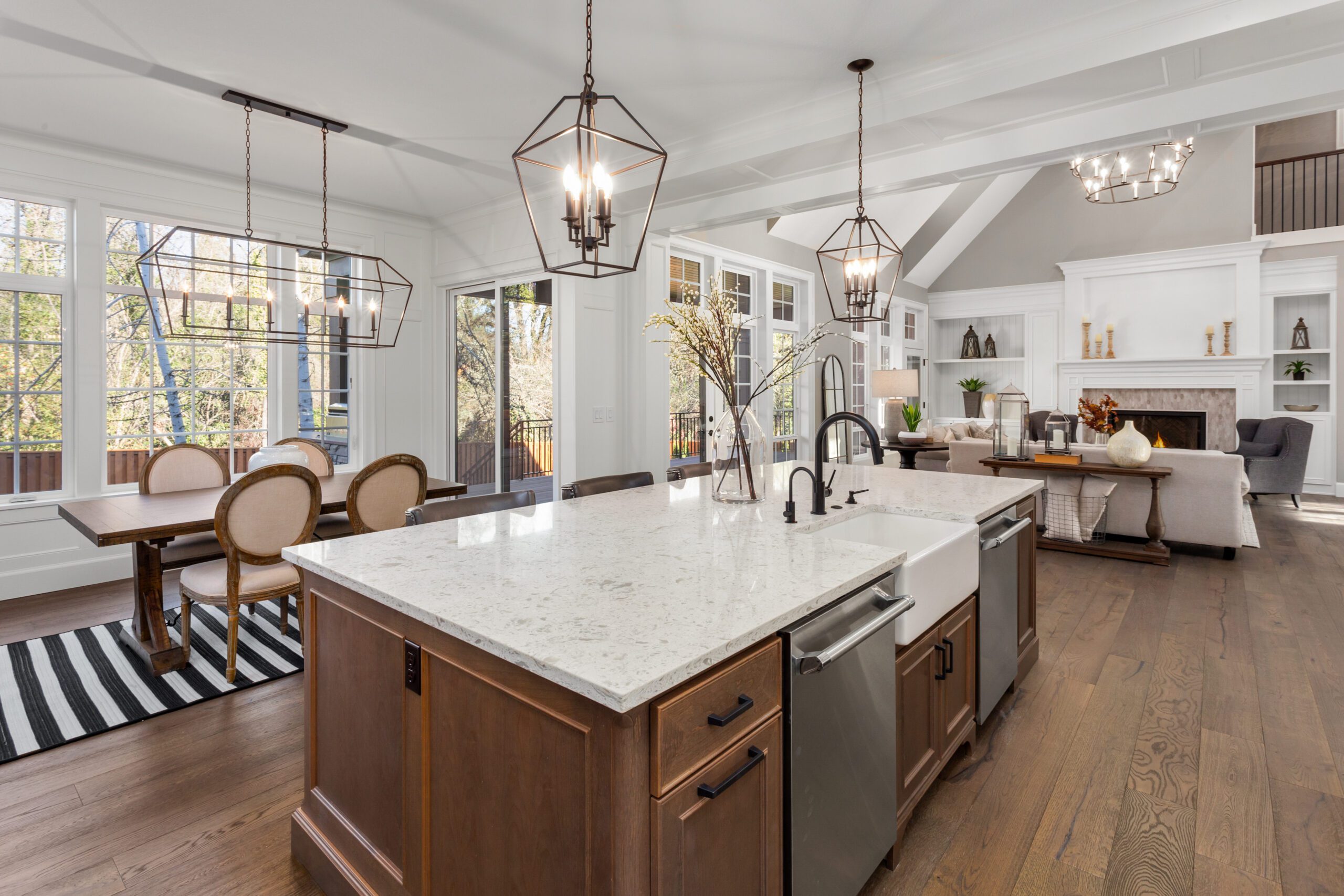
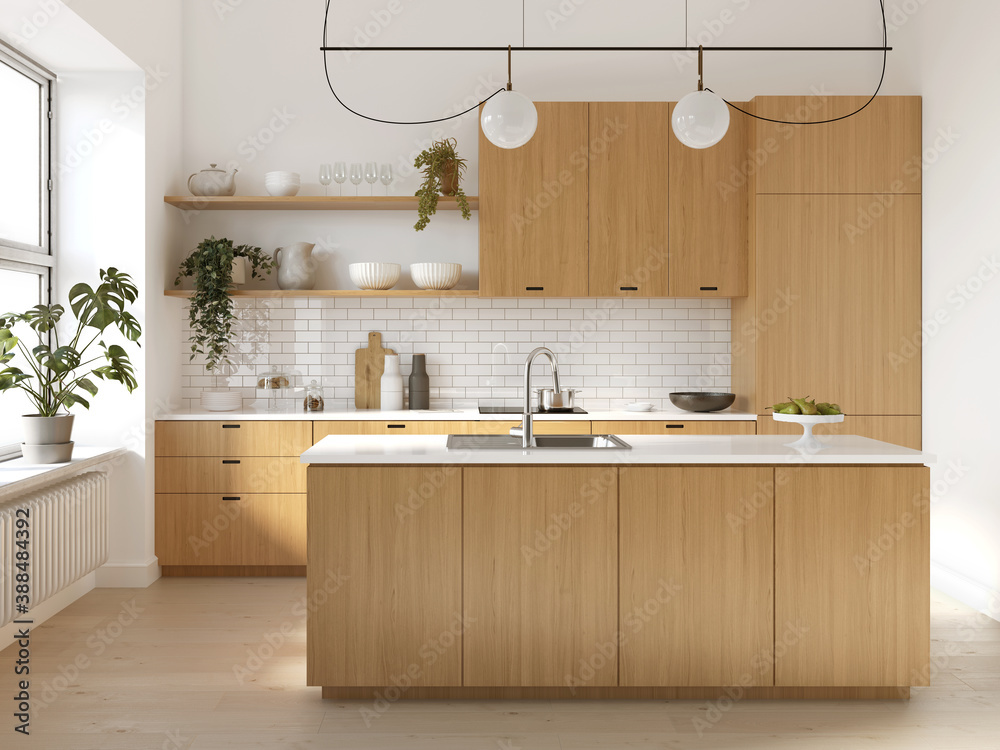
Luxury kitchens often involve full reconfiguration, panel-ready appliances, bespoke millwork, stone fabrication details, and layered lighting. Midrange typically optimizes the existing layout with semi-custom cabinets, durable engineered counters, quality mid-tier appliances, and targeted upgrades that deliver a polished, reliable kitchen.
Material and Appliance Tiers at a Glance
Both tiers can be beautiful—differences lie in construction, precision, and longevity. Examples:
- Cabinetry: Midrange uses semi-custom boxes with plywood construction and factory finishes; Luxury leans on fully custom, furniture-grade boxes, bespoke inserts, and site-specific paneling.
- Countertops: Midrange favors premium quartz or durable porcelain; Luxury incorporates marble, quartzite, thick mitered edges, or bookmatched slabs.
- Appliances: Midrange includes reputable brands with convection and induction options; Luxury steps up to pro-style ranges, column refrigeration, and panel-ready dishwashers.
- Fixtures & Lighting: Midrange upgrades task and under-cabinet lighting; Luxury adds layered scenes, architectural profiles, and filtration or touchless plumbing with designer finishes.
Simone aligns selections with your goals, balancing performance, maintenance, lead times, warranties, and long-term value.
Budgeting for Luxury vs. Midrange Kitchens
Choosing between a luxury and a midrange kitchen starts with a clear plan for where to invest and where to save. Simone helps you align finish levels, performance, and craftsmanship with a budget that reflects your goals—whether you’re after bespoke elegance or smart mid-tier value.
Core budget factors when comparing tiers include:
- Scope & Priorities: Decide if you’re pursuing a full custom overhaul (luxury) or a targeted upgrade with selective splurges (midrange). Identify must‑haves like a pro-style range or panel-ready fridge and set priced alternates so add-ons remain controlled.
- Cabinetry & Countertop Strategy: Semi‑custom often suits midrange timelines and cost, while luxury projects lean to fully custom, inset doors, and bespoke millwork. Counter choices diverge too—engineered quartz and porcelain for durability vs. marble, quartzite, or rare woods for elevated aesthetics. Include door styles, interior accessories, and edge details in your allowances.
- Appliances & Mechanical Upgrades: Luxury kitchens frequently include pro-style or column refrigeration, induction with high-amp needs, and advanced ventilation—often requiring electrical panel changes, dedicated circuits, and makeup air. Midrange can optimize with slide-in ranges and standard venting while still improving performance.
- Labor, Permits & Professional Fees: Luxury installations call for master-level trades, precise templating, and complex integration, which increases labor share. Midrange scopes typically reduce structural changes and specialty fabrication. Include permits, engineering when moving walls, and design/project management to avoid rework in either tier.
- Contingency & Escalation: Hold 10–15% for hidden conditions and market shifts. Luxury selections can carry longer lead times and restocking restrictions—verify validity dates, special‑order terms, and return policies up front.
Simone tailors budgets to the outcomes you want and the risks you’re comfortable with, providing tiered options and dependable numbers before you sign off.
Planning and Tracking Across Tiers
A well-structured plan keeps both luxury and midrange projects moving smoothly. Simone clarifies cost drivers, sequencing, and cash flow so you can compare scenarios confidently—from lead times on custom cabinetry to installation windows for panel-ready appliances.
Key factors to consider:
- Scope Definition & Limits: Document inclusions and exclusions for each path (e.g., bespoke hood vs. stock hood). Price unit-based adds like per fixture or light to keep choices transparent.
- Allowances & Selections: Set realistic allowances that reflect tier: midrange for semi‑custom cabinets and standard hardware; luxury for custom finishes, integrated lighting, and specialty stones. Tie selections to decision dates to protect pricing and avoid rush fees.
- Contingency & Risk: Plan 10–15% for unknowns such as subfloor repairs or electrical upgrades—especially important when moving to pro appliances or thick stone slabs. Confirm how discoveries are priced and authorized.
- Bids & Leveling: Compare bids with identical scopes and finish tiers. Normalize exclusions, lead times, installation methods (e.g., mitered edges, panel integration), and warranty terms to make true apples‑to‑apples decisions.
- Cash Flow & Payments: Outline deposits, progress draws, retainage, and final payment. Coordinate supplier terms and deliveries—custom millwork and panel-ready appliances may require earlier deposits and careful logistics to avoid storage or re-delivery fees.
- Budget Allocation: Typical ranges shift by tier: luxury often allocates more to cabinetry, appliances, stone, and skilled labor; midrange emphasizes efficient labor and durable engineered materials. As a guide: labor 35–45%, cabinetry 25–35%, appliances 10–20%, counters 8–15%, MEP 5–10%, permits/engineering 1–3%, design/PM 8–15%, plus 10–15% contingency.
Simone helps you weigh craftsmanship, performance, and long-term upkeep so your chosen tier delivers lasting value without unnecessary stress.
Luxury vs Midrange: How to Plan Your Kitchen Spend
Before choosing marble slabs or a cabinet line, decide whether your renovation aims for a midrange upgrade or a true luxury kitchen. That single decision sets expectations for scope, materials, labor skill, and lead times. Simone’s planning approach clarifies where premium dollars matter, establishes realistic allowances for each tier, and adds buffers for custom work—so your kitchen reflects how you cook and entertain, not just what looks good on a spreadsheet.
Key steps to align budget with kitchen tier:
- Map Every Cost Category by Tier: Capture design, engineering, permits, demo, framing, electrical and lighting, plumbing and gas, HVAC, cabinetry, countertops, appliances, flooring, tile, paint, hardware, site protection, delivery and storage, waste, and temporary kitchen setups. Add taxes, shipping, installation, and a tier-appropriate contingency: 10–15% for midrange pull-and-replace; 15–20% for luxury builds with custom fabrication.
- Define Remodel Level & Tier Implications:
- Midrange Refresh: Factory-finished stock or semi-custom cabinets, durable engineered countertops, and standard lighting upgrades. Labor is straightforward; dedicate funds to visible finishes and keep contingency modest (5–10%).
- Midrange Pull-and-Replace: New semi-custom cabinets, quartz or porcelain surfaces, and reliable appliance packages without moving walls or utilities. Predictable trades and mid-tier spend; plan for cabinet/appliance lead times and a 10–15% contingency.
- Luxury Gut & Reconfiguration: Custom or bespoke cabinetry, panel-ready or pro-style appliances, stone slab work, integrated lighting, and layout changes. Expect engineering, specialty trades, rigorous inspections, and a larger contingency (15–20%).
- Account for Lead Time and Seasonality: Luxury components—custom millwork, hand-finished metalwork, or stone—extend timelines and can be price sensitive. Build room for competitive quotes, mockups, and approvals. Include storage, rental appliances, and potential rush fees if schedules tighten.
- Lock Scope & Specifications Early: Decide on cabinet construction (frameless vs framed, custom vs semi-custom), appliance tier (panel-ready vs standard), countertop class (natural stone vs engineered), and fixture/lighting systems. Create pre-approved alternates to pivot if pricing or lead times shift.
- Include Access and Protection Requirements: Luxury installs often need enhanced protection and handling: HEPA air scrubbers, RAM board, corner guards, slab handling, elevator reservations, HOA deposits, freight, and white-glove delivery. Budget them upfront to avoid cutting into finish selections.
- Choose Teams Matched to Tier: Luxury kitchens require licensed, insured trades with fine-finish experience and exacting tolerances; midrange scopes benefit from efficient, reliable installers. Insist on itemized proposals with allowances, unit rates, change-order terms, payment schedules, lien waivers, and clear warranty language.
Simone builds line-item budgets, compares good/better/best scenarios, and levels bids across both midrange and luxury options—so your plan is transparent, tier-appropriate, and resilient from day one.
Financing for Midrange vs Luxury Kitchens
Your financing choice should reflect project tier, purchase cadence, and risk tolerance. Luxury builds concentrate costs in custom fabrication and high-ticket appliances, while midrange projects spread purchases more evenly. Atlanta homeowners commonly consider:
- HELOC (Home Equity Line of Credit): Flexible draws suit staged deposits for cabinetry, stone, and appliances—ideal for luxury timelines with variable payments. Monitor variable rates and draw windows.
- Personal Loans: Fixed-rate, unsecured funding with predictable payments—useful for midrange scopes where speed matters and equity isn’t tapped.
- Cash-Out Refinance: Aligns with large, luxury investments that benefit from long amortization and potentially lower rates; consider closing costs and breakeven.
- Contractor Financing: Centralized payments for design, materials, and labor. Scrutinize APR, fees, prepayment terms, and how change orders are billed—especially important on luxury scopes.
- Credit Cards: Strategic for deposits or short-term buys, especially with rewards or 0% promos—only if balances are cleared before interest accrues.
Terms vary by lender and credit profile. Simone helps match financing to your tier, purchase schedule, and contingency needs so cash flow stays aligned with both luxury and midrange project realities.
Budget Traps When Comparing Luxury and Midrange
Avoiding tier-specific pitfalls keeps your numbers honest and your selections on track. Simone’s field insight highlights these watchouts:
- Mixing Tiers Without Repricing: Panel-ready fridges, bespoke hoods, or stone slab backsplashes demand higher install and protection costs. If you add luxury elements to a midrange plan, update labor, freight, and contingencies accordingly.
- Ignoring Soft Costs on Luxury Work: White-glove delivery, crate disposal, insurance riders, slab handling, and onsite protection add up. Price them early so they don’t cannibalize finishes.
- Upgrading Finishes Before Infrastructure: Luxury ranges may require new gas lines, make-up air, or upgraded electrical. Price behind-the-walls work first, then finalize surface selections.
- Forgetting Daily-Life Impacts: Longer luxury timelines can mean extended takeout, pet boarding, or temporary kitchens. Include these operating costs so lifestyle friction doesn’t derail the plan.
- Underestimating Change-Order Risk: Custom fabrication tolerances are tight, and onsite conditions can shift. Set contingencies by tier and define a clear approval and pricing process to maintain control.
- Buying Everything Upfront: Large early purchases strain cash flow and create storage risk. Phase deposits and deliveries to milestones, especially for fragile stone and custom millwork.
Simone’s tier-aware budgeting—cost modeling, local and national benchmarks, bid leveling, and proactive contingencies—helps you choose confidently between luxury and midrange paths and move into construction with clarity.
What Clients Say About Comparing Luxury and Midrange Kitchens with Simone
Across Atlanta, Simone Feldman Designs is trusted for demystifying the real differences between luxury and midrange kitchens. Clients praise Simone’s side‑by‑side scope mapping, transparent specification tiers, and evidence‑based guidance that clarifies where premium upgrades matter—materials, appliances, lighting, and millwork—and where a midrange selection delivers equal function for less.
On Houzz, Simone Feldman Designs is noted as a full‑service residential kitchen and bath design firm providing 3D renderings, specifications, bid packages, material sourcing, project management, and construction documents. Expertise includes evaluating appliance and surface tiers, value engineering luxury looks responsibly, and aligning customization, durability, and lifecycle cost so your investment—whether luxury or midrange—performs as beautifully as it looks.
Homeowners value Simone’s ability to translate style goals into apples‑to‑apples options—defining must‑have features like panel‑ready refrigeration, pro‑style ranges, and bespoke storage, while presenting midrange alternatives such as slide‑in ranges, semi‑custom cabinetry, and engineered stone—so choices are clear and the final kitchen matches expectations.
Smart Ways to Evaluate Luxury vs Midrange
Choosing between luxury and midrange influences scope, fabrication, and lead time. Simone helps you rank priorities, review finish and appliance tiers at multiple price points, and build a design pathway that achieves the right balance of craftsmanship, performance, and budget.
Helpful decision moves include:
- Set Priorities & Must‑Haves: Identify non‑negotiables—custom cabinetry, natural stone, integrated panels, or pro ventilation—versus nice‑to‑haves so you can shift to midrange options where impact is minimal.
- Allocate for Craft & Fit: Luxury often demands on‑site templating, shop finishing, and precision installation; midrange favors factory finishes and standardized components. Budget accordingly.
- Plan for Logistics & Lead Times: Custom millwork, panel‑ready appliances, and handmade tile carry longer lead times and delivery constraints. Reserve windows and account for freight on oversized items.
- Verify Specifications & Samples: Confirm slab grades, appliance feature sets, finish sheens, and edge details in writing; luxury lines vary widely by series and options.
- Plan for Daily Living: If you’re choosing extended luxury lead times, include interim living needs; midrange timelines may reduce downtime but still require temporary kitchen plans.
For midrange targets, curated engineered surfaces and semi‑custom cabinetry can deliver exceptional value. Simone uses 3D planning and elevations to validate clearances, integrated lighting runs, and appliance ventilation paths—key for luxury kitchens with panel‑ready units and equally important to avoid rework in midrange projects.
Scope, Materials, and Technical Differences
Clear definitions prevent mismatched expectations. Simone outlines how luxury kitchens typically include bespoke millwork, panel‑ready refrigeration, pro‑style ranges, natural stone slabs, integrated lighting, and smart controls, while midrange solutions lean on semi‑custom cabinetry, quality slide‑in appliances, engineered stone, and modular lighting—each with distinct code, venting, and power needs.
Key details to plan include:
- Utility Upgrades & Reroutes: Luxury packages often require higher‑amp circuits, make‑up air for robust ventilation, and water line optimization for built‑in coffee or ice; midrange may reuse existing locations with minimal upgrades.
- Permits & Inspections: Pro‑level equipment and panel‑ready installations may trigger additional code checks; align documentation so inspections track with the elevated scope and avoid schedule gaps.
- Environmental Controls: Precision fabrication benefits from clean sites—HEPA filtration and negative air reduce dust that can mar high‑gloss finishes and stone sealer performance.
- Access & Building Rules: Slabs, tall pantry units, and built‑ins may require elevator reservations, extra manpower, and staging; factor these logistics even on midrange projects using larger standardized pieces.
In compact kitchens, luxury‑level integration increases coordination among trades—lighting, paneling, and ventilation—while midrange benefits from streamlined specs. Early appliance and electrical mapping prevents mid‑build changes in both categories.
Kitchen Selection Tips: Luxury vs Midrange
Simone’s decades of kitchen design experience inform these practical tips for choosing between luxury and midrange features with confidence:
- Benchmark first: Compare feature sets—panel‑ready vs stainless, natural stone vs engineered quartz, bespoke storage vs catalog inserts—and review recent local projects to gauge realistic costs.
- Request itemized bids: Ask trades to break out luxury‑grade installation steps (templating, scribing, integration) versus standard installs to evaluate true labor deltas.
- Prioritize practical materials: If you cook daily, consider heat and stain resistance; honed natural stone reads luxury but needs sealing, while engineered surfaces offer low maintenance at midrange price points.
- Plan cash flow: Luxury items often require larger deposits and longer holds; map payments to fabrication and delivery milestones and secure written warranties.
- Think long-term: Compare energy use, service networks, finish care, and lifecycle costs. Review appliance and surface warranties—some luxury brands offer extended coverage with certified installation.
- Work with a certified designer: A CKBD‑certified pro like Simone balances customization with code, ergonomics, and sequencing—ensuring luxury details are executed flawlessly and midrange choices feel intentionally elevated.
Frequently Asked Questions
How long does it take to decide between a luxury and midrange kitchen?
Most homeowners need two to six weeks to evaluate priorities, review samples, and assess lead times. Luxury kitchens often add time for custom cabinetry, stone selection, and appliance specifications. Simone provides detailed elevations, finish schedules, and appliance cut sheets to streamline approvals and confirm timelines.
Does Simone help compare bids across luxury and midrange scopes?
Yes. Simone issues bid‑ready documents that define cabinet construction, appliance tiers, countertop materials, lighting specifications, and installation standards. She levels proposals apples‑to‑apples, clarifies allowances for bespoke items, and coordinates with the contractor to sync scope, schedule, and code compliance.
Can luxury or midrange kitchens incorporate accessibility without losing style?
Absolutely. Simone integrates wider clearances, pull‑out shelving, anti‑slip finishes, lever hardware, and layered task lighting into both tiers. In luxury kitchens, these features can be custom‑fabricated and fully integrated; in midrange designs, Simone selects catalog solutions that balance function, aesthetics, and cost.
What should be included when comparing tiers?
Expect a line‑item plan for design, engineering where needed, demo, trades, cabinet construction level (semi‑custom vs bespoke), counters (engineered vs natural stone), appliance category (consumer vs pro‑style), flooring, backsplash, hardware, lighting and controls, deliveries, protection, disposal, contingencies, and lifestyle costs during installation.
How involved is Simone during installation for each tier?
Simone remains engaged throughout—verifying cabinet shop drawings, reviewing stone layouts and appliance clearances, tracking allowances, approving change orders, and conducting site visits to ensure craftsmanship and spend align with the selected tier and timeline.
Plan Your Luxury vs Midrange Kitchen
A clear roadmap helps you choose the right tier without overspending. With Simone Feldman’s 40+ years of experience, CKBD/CBD certification, and construction-first process, you’ll receive a comparative plan—scope, materials, labor skill level, allowances, contingencies, and cash flow—so you understand trade‑offs between bespoke luxury and value‑driven midrange before you commit.
Now accepting new clients in Roswell, Alpharetta, Johns Creek, Milton, and surrounding Atlanta communities. Call Simone Feldman Designs today at (404) 386-9487 or email simonef_ckdcbd@comcast.net to schedule your consultation.