Refacing vs Replacing Cabinets: What’s Right for Your Kitchen
Thinking about updating your kitchen in 2026? Compare cabinet refacing and full cabinet replacement to decide which delivers the look, function, and value you want—without overspending or overbuilding.
Refacing vs Replacing: Choosing the Smart Upgrade for Your Home
The best approach is the one that fits your cabinets’ condition, aligns with your budget, and supports how you use your kitchen daily. Your decision impacts more than style—it influences timeline, layout flexibility, storage options, durability, and resale appeal.
There isn’t a single path that suits every homeowner. Refacing excels when your cabinet boxes are sturdy and you want a fast, lower-disruption makeover. Replacement shines when you need a new layout, added storage, or when boxes are damaged or poorly constructed. In 2026, Simone helps homeowners blend beauty with practicality by assessing box integrity, finish goals, hardware upgrades, and coordination with countertops and appliances before recommending a route.
How Refacing Works vs When Replacement Is Better
Before you choose, it helps to understand what refacing includes compared to a full cabinet replacement.
The Refacing Process
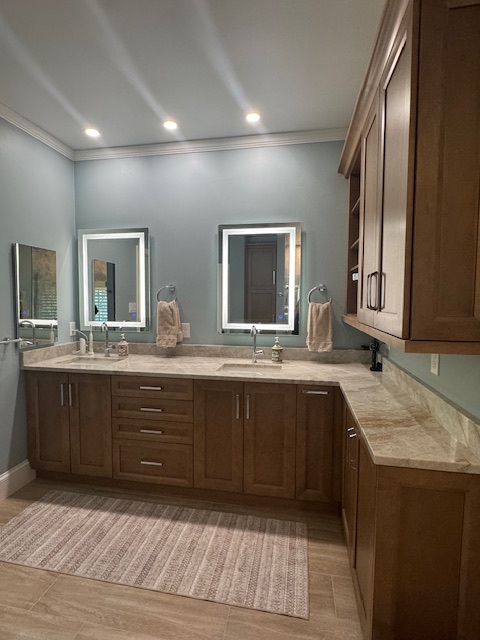
Refacing keeps your existing cabinet boxes while transforming the exterior. Simone replaces doors and drawer fronts, applies real-wood veneer or durable laminate to visible box surfaces, and upgrades hinges and pulls for a like-new appearance.
- Ideal when cabinet boxes are square, solid, and free of water damage or swelling.
- Choose between wood species and premium laminates; pair with soft-close hinges and new drawer glides.
- Shorter lead time and minimal disruption—often days rather than weeks—while keeping floors, walls, and most utilities intact.
When to Replace
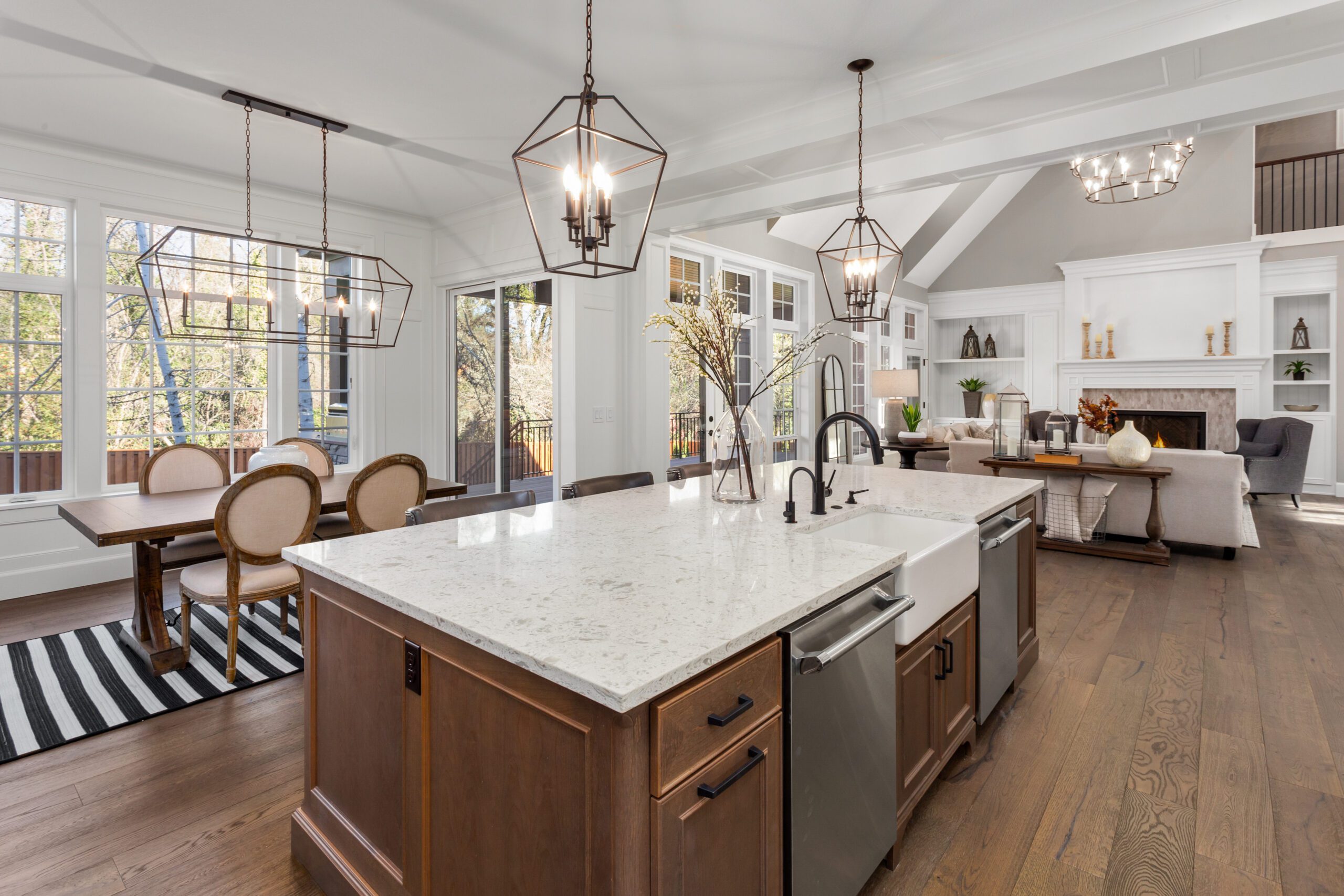
Replacement means new boxes, giving you freedom to reconfigure layout, add organizers, and improve storage capacity. It’s recommended when boxes are failing, you’re changing appliance sizes, or you want a different footprint.
- Best for major layout changes, added pantry towers, or deeper base cabinets for improved ergonomics.
- Consider coordinating with new countertops and backsplashes, since removal and reinstallation are part of the process.
- Value comes from durability, expanded storage, and stronger resale appeal when the old boxes can’t support modern hardware or finishes.
Once Simone evaluates your cabinet structure and goals, we’ll outline cost ranges, timelines, finish options, and how each path affects storage, appliances, and long-term durability so you can choose with confidence.
Refacing vs Replacing: Quick Overview
When deciding between refacing and replacing cabinets, start with the integrity of your cabinet boxes. Refacing refreshes the exterior with new doors, drawer fronts, and veneered faces, while replacement swaps the entire cabinet system and allows layout changes.
Why Refacing Is Often a Smart Move
- Keeps a functional layout intact while delivering a dramatic style update with new doors, drawer fronts, and matching veneer.
- Minimizes demolition, dust, and disruption—most projects finish in days, not weeks.
- Cost-effective when boxes are sturdy; budget goes to visible finishes, soft-close hinges, and upgraded hardware.
Refacing is ideal when your cabinet boxes are solid, you like your current footprint, and you want a faster, less invasive refresh that still looks new. Simone helps you select durable laminates or wood veneers and coordinates hardware and hinge upgrades for a seamless finish.
Best For
- Kitchens with structurally sound cabinet boxes and a layout that already works.
- Homes seeking a style upgrade without changing appliance locations or counters.
- Projects with tight timelines where you want a clean, modern look quickly.
When Full Replacement Makes Sense
Replacing cabinets involves removing the existing boxes and installing a new system—opening the door to reconfiguring storage, shifting appliances, and improving workflow.
Why Replacement Is the Better Investment Sometimes
- Allows layout changes for better storage, wider aisles, or code updates—impossible with refacing alone.
- Fixes structural issues such as water-damaged, out-of-square, or sagging cabinet boxes.
- Supports new heights, deeper boxes, and custom interior accessories for maximum capacity.
If your cabinets are failing, your layout is cramped, or you’re planning new appliances and counters, replacement delivers the flexibility you need. Simone can redesign cabinet runs, adjust clearances, and align cabinetry with your cooking style and future plans.
Best For
- Narrow or inefficient kitchens that need reconfiguration or added storage solutions.
- Serious cooks who want purpose-built zones and custom organization.
- Homes aiming to boost resale with a modern layout and brand-new cabinetry.
Finish Quality and Durability
Refacing quality hinges on the veneer and door materials you select, plus proper prep and adhesion. Replacement quality comes from cabinet construction methods and factory finishes.
What Affects Longevity
- Veneer type: thermofoil and laminates resist stains; real wood offers refinishability and richer grain.
- Hardware upgrades: soft-close hinges and slides improve daily use and reduce wear.
- Cabinet construction: with replacement, plywood boxes, durable edge banding, and catalyzed finishes boost durability.
With Simone, refacing includes meticulous surface prep and edge wrap to prevent peeling. For replacement, we specify sturdy box materials and durable factory finishes that handle everyday traffic.
Best For
- Refacing: when you want a like-new exterior with minimized waste.
- Replacement: when you need heavier-duty interiors or specialty configurations.
- Both: homeowners valuing long-term reliability with warranty-backed materials.
Budget and Timeline Comparison
Budget and lead time differ significantly. Refacing typically costs less and moves faster; replacement requires longer design, ordering, and installation windows.
Why Refacing Often Saves Time and Money
- Lower material costs by keeping existing boxes and focusing on visible components.
- Shorter lead times for doors, drawer fronts, and veneers versus full cabinet systems.
- Reduced labor from minimal demo and fewer trade dependencies.
For many homes, refacing lands in a quicker window with predictable labor. Replacement takes longer due to design revisions, permitting if layouts or utilities move, and full install sequencing.
Best For
- Refacing: compressed schedules and mid-range budgets.
- Replacement: comprehensive upgrades where timing can flex to fit broader goals.
- Owners balancing near-term costs with long-term value gains.
Coordinating with Countertops and Appliances
Cabinet choices should align with your counters, backsplash, and appliances—especially if you plan to keep existing stone.
Why Coordination Matters
- Refacing protects existing countertops by avoiding box removal and heavy demo.
- Replacement enables sink or appliance size changes, but may require new countertops.
- Door profiles and finishes should complement appliance styles and sightlines in open areas.
Many homeowners reface to preserve quality stone while refreshing style. If you want a larger fridge, taller pantry, or built-in ovens, replacement provides the flexibility to integrate those changes cleanly.
Best For
- Refacing: keeping current countertops and appliance locations.
- Replacement: adding capacity, changing appliance specs, or reworking work zones.
- Families seeking a cohesive look without disrupting adjacent rooms.
Open Shelves and Glass Inserts
Whether refacing or replacing, accent elements influence the final look and practicality of daily use.
Why These Details Elevate Results
- Strategic glass doors break up long runs and showcase serveware without major layout changes.
- Open shelves can be added during refacing or designed into new cabinetry for lighter visual weight.
- Thoughtful placement keeps traffic flowing while highlighting focal points.
Simone helps you decide which accents balance aesthetics and maintenance, ensuring they align with how you cook and entertain.
Resale and Value Considerations
Your choice affects buyer perception and appraised value in different ways.
Refacing
Refacing delivers a modern, move-in-ready look at a modest cost, appealing to buyers who prioritize style and function without needing a reconfigured plan.
Advantages:
- Fresh, cohesive appearance with upgraded hardware and hinges.
- Lower budget outlay for a high visual impact.
- Shorter project duration minimizes household disruption.
Considerations:
- Layout remains the same; capacity limits won’t change.
- Underlying boxes must be in good condition for warranties to apply.
Replacement and Long-Term Value
Full replacement may increase appraised value more when storage, accessibility, and appliance integration improve.
Advantages:
- Opportunity to correct bottlenecks, widen aisles, and add pantry or drawer bases.
- Brand-new boxes and factory finishes with robust warranty coverage.
- Better alignment with modern appliances and ergonomic heights.
Considerations:
- Higher cost and longer timelines than refacing.
- Potential need for counter, plumbing, or electrical changes.
Many 2026 projects combine strategies—refacing most runs while replacing select sections—to optimize cost, function, and finish quality.
| Project Type | Planning & Design | Permitting | Material Lead Times | Construction | Total Timeline |
| Cabinet Refacing | 1–2 weeks | None | 1–3 weeks (doors/veneers) | 1–2 weeks | 3–7 weeks |
| Selective Replacement | 2–4 weeks | 1–2 weeks (if moving utilities) | 4–8 weeks (stock/semicustom) | 4–6 weeks | 11–20 weeks (3–5 months) |
| Full Cabinet Replacement | 4–6 weeks | 1–3 weeks (layout changes) | 6–12 weeks (semi/custom) | 6–10 weeks | 17–25 weeks (4–6 months) |
| Gut with Layout Rework | 6–8 weeks | 2–4 weeks | 8–16 weeks (custom) | 8–12 weeks | 24–36 weeks (6–9 months) |
| Luxury Custom Millwork | 8–12 weeks | 2–4 weeks | 12–20 weeks | 10–16 weeks | 32–48 weeks (8–12 months) |
Refacing vs Replacing: Smart Choices for Small Kitchens
In compact kitchens, every inch matters—and so does the renovation path you choose. Refacing can refresh the room without disrupting layouts, while full replacement can solve deeper storage and layout limits.
When Refacing Shines in Small Spaces
Refacing is often the most efficient update for small kitchens because it:
- Keeps cabinet boxes in place, avoiding demolition that eats into tight footprints.
- Upgrades doors, drawer fronts, and veneers for a dramatic look with minimal downtime.
- Allows quick hinge and hardware upgrades that improve daily function.
When Replacement Solves Real Constraints
Full cabinet replacement is the better call in compact kitchens when you need to:
- Rework layout bottlenecks or add taller, deeper, or wider cabinets.
- Fix failing cabinet boxes, water damage, or subpar construction.
- Integrate new appliances or change clearance for door swings and traffic.
Small Kitchen Upgrade Tips
- If refacing, choose light-toned veneers and slim rails/stiles to visually open the room.
- Swap to soft-close, full-extension hardware to reclaim usable storage.
- Add interior pull-outs, spice racks, and tray dividers during either refacing or replacement.
- Coordinate door style and finish with existing counters and backsplash to avoid visual clutter.
- If planning new countertops soon, time them with the cabinet decision to prevent rework.
Refacing vs Replacing for Larger, Busy Family Kitchens
In active homes, the choice often hinges on durability, workflow, and long-term goals. Simone helps families balance finish quality with functional gains.
Refacing for a Fresh Look, Fast
For many households, refacing offers:
- A faster turnaround with less dust and disruption to routines.
- New doors and drawer fronts that stand up to daily use with upgraded hinges.
- A coordinated finish that ties into existing floors, counters, and appliances.
Replacement for Maximum Function
Full replacement provides:
- Room to reconfigure storage, add tall pantries, or widen prep zones.
- Clear separation of task areas and space for multiple cooks.
- Future-ready cabinets sized for new appliances and expanded seating.
If your kitchen is the main gathering hub, replacement can unlock layout changes that refacing alone cannot achieve. Simone can evaluate cabinet box integrity, budget, and timeline to guide the right path.
2026 Cabinet Update Trends: Refacing Gains, Strategic Replacements
Homeowners in 2026 are prioritizing smarter upgrades—choosing between refacing and replacing based on cabinet health, finish quality, and how the kitchen is actually used.
Lifestyle-Driven Refacing
Rather than a total gut, many projects focus on targeted enhancements, such as:
- Door and drawer front swaps with modern profiles and durable finishes.
- Soft-close hinge upgrades and full-extension glides for daily convenience.
- Coordinated finishes that match existing countertops and appliances.
- Interior organizers like pull-outs, spice inserts, and tray dividers added during refacing.
These moves deliver a big visual refresh and functional lift without changing the layout or disrupting the household for weeks.
Smarter Replacements
Simple decision rules help clarify when to replace:
- Boxes are failing: water damage, sagging shelves, or particleboard breakdown.
- Layout limits function: you need wider aisles, taller pantries, or appliance reconfiguration.
- Resale or longevity goals demand new cabinet warranties and materials.
Selective replacement within an L-shaped, U-shaped, or island plan can combine new boxes where needed with refacing elsewhere, optimizing cost, lead time, and results.
How to Choose Between Refacing and Replacing
Evaluate Cabinet Box Integrity
Inspect for moisture damage, loose joinery, or out-of-square frames. Solid plywood or hardwood boxes in good shape are prime candidates for refacing; compromised boxes typically warrant replacement.
Clarify Your Priorities
Ask yourself:
- Is the goal a fresh look on a defined budget and tight timeline?
- Do you need to change storage capacity, clearances, or appliance sizes?
- Are you aiming to boost resale or to future-proof for long-term use?
- Will new countertops be installed now or later?
Compare Costs and Timelines
Refacing usually costs 40–60% of full replacement and can finish in days, while replacement can take weeks including fabrication and installation. Simone can present side-by-side estimates for your space.
Balance Finish and Durability
High-quality wood veneers and premium laminates used in refacing are durable, but new custom cabinets expand material and warranty options. Match the finish level to your lifestyle and traffic.
Visualize Everyday Use
Map your routine and note friction points:
- Do doors crash into appliances or seating?
- Are there dead corners or hard-to-reach shelves?
- Could a pantry swap or taller cabinet solve overflow?
Small layout changes may require replacement, while cosmetic and hardware gains are ideal for refacing. Simone will guide you to the right mix.
Frequently Asked Questions
Is cabinet refacing as good as replacing?
It depends on your goals. Refacing delivers a near-new look by swapping doors and drawer fronts and applying new veneer to sound cabinet boxes. If your boxes are sturdy and the layout works, refacing is cost-effective and fast. If boxes are damaged or the layout is limiting, replacement is the better long-term value.
How long does refacing take vs replacement?
Most refacing projects finish in 3–7 days once materials are on site. Full replacement can take 3–6 weeks or more, factoring in cabinet fabrication, demolition, and installation. Lead times vary by door style, finish, and supplier. Simone will outline realistic schedules before you commit.
Can I reface if I’m changing countertops?
Yes—many homeowners reface before or alongside new countertops. Coordinate measurements carefully: once stone is templated, cabinet changes are limited. If you plan major layout shifts or new appliance sizes, complete those with replacement before templating.
How do costs compare?
Refacing typically runs 40–60% of full replacement for the same kitchen size. The gap widens with custom cabinet features, reconfiguration, or high-end materials. Simone provides detailed, line-item estimates so you can weigh finish quality, warranty, and scope.
Will refacing improve resale value?
Refacing refreshes first impressions and can boost appeal when the layout is already functional. For buyers prioritizing storage upgrades or new warranties, replacement may return more. Simone can advise based on your home, market expectations, and timeline.
Refacing vs Replacing Cabinets: Make the Right Choice with Simone
Choosing between refacing and replacing cabinets starts with an honest look at your existing boxes. If the cabinet frames are sturdy, square, and free of water damage, refacing—adding new doors and drawer fronts, fresh veneer on the boxes, and upgraded hinges—can deliver a dramatic style update without the cost and disruption of a full tear-out.
Atlanta homeowners often find refacing ideal when they like their kitchen’s layout and simply want a new look or better hardware. Replacement becomes the smarter path when boxes are warped, storage needs have changed, or you want to rework the layout for improved flow, wider walkways, or new appliances. Simone helps you weigh structural integrity, budget, and long-term goals to decide confidently.
Refacing typically takes days, not weeks, and is budget-friendlier than full replacement while still offering premium finishes—from durable laminates to real wood veneers—and soft-close hardware. Full replacement enables custom interiors, added storage, and layout changes that can boost functionality and resale value. With over 40 years of experience and CKD/CBD certification, Simone provides clear cost and timeline comparisons, explains finish durability, and coordinates the plan with existing or future countertops and appliances.
Ready to evaluate your cabinets? Contact Simone at (404) 386-9487 or email simonef_ckdcbd@comcast.net to schedule a consultation and learn whether refacing or replacing is the better investment for your kitchen.