Should I Replace Cabinets or Reface Them?
Compare kitchen cabinet replacement vs. refacing costs, timelines, pros and cons, and ROI to find the best option for your budget and kitchen remodel.
Should I Replace Cabinets or Reface Them? A Complete 2026 Comparison Guide
One of the biggest decisions homeowners face during a kitchen remodel is whether to replace cabinets entirely or reface the existing ones. This choice significantly impacts your budget, timeline, and the overall transformation of your kitchen.
In 2026, cabinet refacing typically costs $1,500 to $9,000 for most kitchens, while full cabinet replacement ranges from $5,000 to $30,000 or more. Refacing delivers a transformed kitchen at 30–50% less than full replacement, with a 1–3 day turnaround instead of weeks of construction.
This comprehensive guide breaks down the costs, pros and cons, timelines, and key decision factors to help you choose the right option for your kitchen and budget.
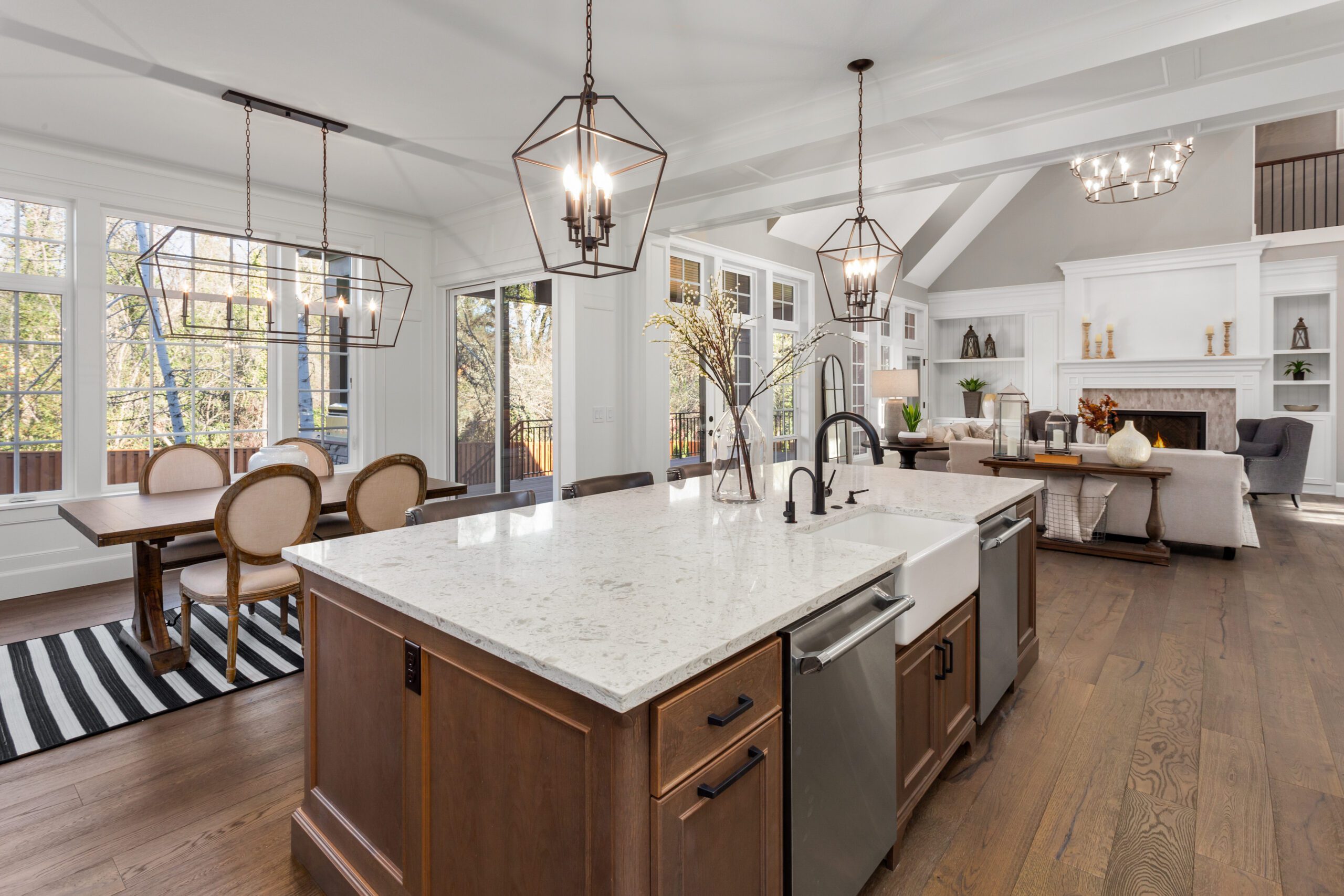
What Is Cabinet Refacing?
Cabinet refacing involves swapping out the visible parts of your cabinets—doors, drawer fronts, and end panels—while leaving the existing cabinet boxes in place. Think of it as changing the "face" of your cabinet without altering the underlying structure.
The Refacing Process
- Remove old doors and drawer fronts: Existing doors and drawer faces are taken off.
- Apply new veneer or laminate: The exposed surfaces of cabinet boxes are covered with matching wood veneer or laminate.
- Install new doors and drawer fronts: Fresh doors and drawer faces are mounted to the existing boxes.
- Add new hardware: Hinges, drawer slides, handles, and knobs are replaced for a complete update.
When Refacing Makes Sense
- Cabinet boxes are in good condition: Solid, structurally sound boxes with no water damage, warping, or deterioration.
- You're happy with your current layout: No need to relocate sinks, add islands, or change the footprint.
- Budget is a priority: You want a significant visual update at a lower cost.
- Quick turnaround needed: You want minimal disruption and a faster completion time.
What Is Cabinet Replacement?
Cabinet replacement involves removing your existing cabinets entirely and installing brand-new ones. This option provides complete design freedom with new materials, configurations, and layouts.
The Replacement Process
- Demolition and removal: Old cabinets, doors, drawers, and hardware are completely removed.
- Layout modifications (optional): Walls, plumbing, or electrical can be adjusted to accommodate a new design.
- New cabinet installation: Fresh cabinet boxes, doors, drawers, and hardware are installed.
- Finishing touches: Countertops, backsplashes, and lighting are coordinated with the new cabinetry.
When Replacement Makes Sense
- Cabinet boxes are damaged or outdated: Water damage, warping, poor construction, or outdated materials.
- You want to change your layout: Adding cabinets, relocating sinks, or installing an island.
- Maximizing storage and functionality: New cabinets offer better organization, pull-outs, and modern features.
- Long-term investment: You plan to stay in your home for many years or want maximum resale value.
Cost Comparison: Refacing vs. Replacement
Understanding the cost difference is critical for making an informed decision.
Typical Total Costs
|
Option |
Typical Total Cost |
Cost Per Linear Foot |
|
Cabinet Refacing |
$1,500 – $9,000 |
$75 – $450 |
|
Cabinet Replacement (Stock) |
$5,000 – $15,000 |
$250 – $400 |
|
Cabinet Replacement (Semi-Custom) |
$15,000 – $30,000 |
$400 – $850 |
|
Cabinet Replacement (Full Custom) |
$30,000 – $60,000+ |
$700 – $1,500+ |
Detailed Cost Breakdown
Cabinet Refacing Costs:
- Cabinet Doors: ~$50 per door
- Drawer Fronts: ~$30 per front
- Soft-Close Hinges: $8 each
- Soft-Close Drawer Slides: ~$25 per slide
- Labor: ~$150 per door
- Total: ~$220 per door with labor
Cabinet Replacement Costs:
- Cabinet Doors: ~$50 per door
- Drawer Fronts: ~$30 per front
- Drawer Boxes: $40 each
- Cabinet Boxes: $200 per linear foot
- Demolition and Cleanup: $300–$500
- Labor for Installation: $350 per linear foot
- Total: ~$500–$650 per cabinet box with labor
Key Takeaways on Cost
- Refacing is cheaper: Running $1,500 to $9,000 for a standard kitchen versus $5,000 to $30,000 or more for replacement.
- Refacing saves 30–50%: Compared to full replacement when using comparable materials.
- Refacing often costs around 75% of new cabinets: For comparable quality, though this varies by market and materials.
- Refinishing is the cheapest option: Typically less than half the cost of replacing, but offers the least dramatic change.
Pros and Cons of Cabinet Refacing
Pros of Refacing
- Significantly More Affordable: Refacing costs 30–50% less than full replacement.
- Quick Turnaround: Completed in 1–3 days instead of weeks of construction.
- Minimal Disruption: No demolition, less dust and debris, and the kitchen remains mostly functional.
- Environmentally Friendly: Reusing existing cabinet boxes reduces landfill waste.
- Wide Variety of Styles: Choose from numerous door styles, finishes, and hardware options.
- No Layout Changes Needed: Ideal if you're satisfied with your current kitchen configuration.
Cons of Refacing
- Limited Structural Changes: Cannot add cabinets, relocate sinks, or install islands.
- Does Not Address Underlying Issues: Does not resolve structural problems, water damage, or poor construction in existing boxes.
- Less Durable: Refaced cabinets are considered less durable than full replacement since the underlying structure remains unchanged.
- Still Pricy: Though cheaper than replacement, refacing can still cost $1,500 to $9,000, making it a significant investment.
- May Need Replacement Later: Homeowners who choose refacing may later need full replacements if underlying structural issues develop.
Pros and Cons of Cabinet Replacement
Pros of Replacement
- Complete Design Freedom: New materials, configurations, and layouts tailored to your needs.
- Addresses Structural Issues: Replaces damaged, warped, or poorly constructed cabinet boxes.
- Maximizes Storage and Functionality: Modern features like pull-outs, lazy Susans, and soft-close drawers.
- Long-Term Solution: Provides a durable, cohesive transformation that adds value to your home.
- Better Resale Value: Full cabinet replacement typically offers higher ROI than refacing.
- Customization Options: Choose from stock, semi-custom, or full custom cabinets to match your vision.
Cons of Replacement
- Significantly More Expensive: Costs $5,000 to $30,000+ depending on quality and scope.
- Time-Consuming: Takes several weeks to complete, compared to 1–3 days for refacing.
- Major Disruption: Demolition, dust, debris, and a non-functional kitchen during construction.
- Additional Costs: Demolition, cleanup, and potential layout changes add to the total expense.
- Higher Environmental Impact: More waste generated from removing old cabinets.
Timeline Comparison: Refacing vs. Replacement
Timeline is a critical factor, especially if you're living in your home during the remodel.
|
Option |
Typical Timeline |
Disruption Level |
|
Cabinet Refacing |
1–3 days |
Minimal; kitchen mostly functional |
|
Cabinet Replacement |
2–6 weeks |
Significant; kitchen non-functional during demolition and installation |
Refacing Timeline
- Day 1: Remove old doors and drawer fronts; apply veneer to cabinet boxes.
- Day 2: Install new doors, drawer fronts, and hardware.
- Day 3: Final adjustments, cleanup, and walkthrough.
Replacement Timeline
- Week 1: Demolition, removal of old cabinets, and site preparation.
- Weeks 2–4: Installation of new cabinet boxes, doors, and drawers.
- Weeks 4–6: Countertop templating, fabrication, and installation; final touches.
What Factors Should I Consider When Remodeling My Kitchen?
Before deciding between refacing and replacement, consider these key factors that impact your kitchen remodel success.
Identify Your Goals
Start with outcomes, not products. Ask yourself:
- What is not working in your current kitchen?
- What does success look like one year after the remodel?
- Do you need more storage, better workflow, or improved lighting?
Set your top 3 goals before looking at finishes.
Assess Your Lifestyle
Plan your kitchen space to reflect how you and your family actually use it.
- Do you cook daily or mostly order takeout?
- Do you entertain frequently?
- Do you need space for homework, remote work, or family gatherings?
- Cabinet storage efficiency and multi-use prep zones are top layout priorities.
Evaluate Your Budget
Align your budget range with your must-have scope.
- Most experts agree that around 15% of your home's value is sufficient for a kitchen renovation.
- Of that 15%, 30 to 40% should be allocated to cabinetry.
- Set aside 10–20% of your total budget for contingency.
Consider Your Timeline
Realistic schedule buffers for materials and inspections help projects stay on track.
- Plan a temporary kitchen setup before demolition starts.
- Use a written schedule with milestone reviews.
- Select a contractor you trust before finalizing design choices.
Think Long-Term
Consider how long you plan to stay in your home and what features will serve you best over time.
- Low-maintenance surfaces and durable finishes continue to outperform trend-only choices.
- Electrification readiness and dedicated appliance circuits are increasingly important.
- Focus on functional aspects of your kitchen first, then aesthetics.
How to Budget for Kitchen Cabinet Remodeling
Budgeting specifically for cabinets requires understanding their role in your overall kitchen remodel costs.
Cabinet Budget Allocation
Cabinets typically account for 29% to 40% of your total kitchen remodel budget.
Example Budget Breakdown for a $50,000 Kitchen Remodel:
- Cabinets: $14,500 – $20,000 (29–40%)
- Appliances: $8,500 (17%)
- Installation: $6,500 (13%)
- Countertops: $5,500 (11%)
- Lighting & Electrical: $5,000 (10%)
- Plumbing: $3,000 (6%)
- Flooring: $2,500 (5%)
- Backsplash: $2,500 (5%)
- Miscellaneous: $2,000 (4%)
Steps to Budget for Cabinet Remodeling
- Measure Your Space Accurately: You'll want to measure your existing space as accurately as possible and then sketch your new layout, showing the locations of the major functional elements like the appliances and sink.
- Start with Major Cost Drivers: Begin with the major elements or cost drivers for the project – the cabinetry, countertops, flooring, and appliances.
- Get Multiple Quotes: It's wise to compare labor costs, but the cheapest bid is not always the right fit for your project. Expect ballpark estimates of $10,000 to $14,000 for standard cabinet replacement, though this depends on cabinet count, construction quality, door style, and trim details.
- Consider Stock vs. Custom: Consider using stock cabinetry if it works for your layout, or mix custom and stock cabinetry to make your budget go further.
- Minimize Integrated Organizers: Minimize the number of integrated cabinetry organizers initially; you can add aftermarket organizers from big box stores or container stores later.
- Plan for Installation Costs: Cabinet installation typically costs $1,200 to $3,200 for low-range, $3,500 to $5,500 for medium-range, and $6,500 to $8,500 for high-range projects.
- Add Contingency: To prepare for unexpected expenses, set aside 10–20% of your total cabinet budget.
- Plan in Advance: Plan as much as possible in advance so that as many costs are known up front as possible. Then you can adjust and pivot if needed.
What Styles Are Available for Cabinet Refacing?
Cabinet refacing offers a wide variety of styles, finishes, and colors to match your aesthetic preferences and home design.
Popular Cabinet Door Styles for Refacing
- Shaker: Clean, simple lines with a five-piece door construction. Refined inset or slim Shaker styles balance minimalism with craftsmanship.
- Flat Panel (Slab): Modern, handleless designs with smooth, uninterrupted surfaces.
- Raised Panel: Traditional style with a center panel that rises above the frame.
- Beadboard: Vertical grooves for a cottage or farmhouse aesthetic.
- Inset: Doors sit flush inside the cabinet frame for a custom, high-end look.
- Glass-Front: Partial or full glass inserts to display dishware and add visual interest.
Cabinet Color Trends for Refacing in 2026
- Neutral Tones: Soft taupes, warm beiges, and gentle browns that calm the eye.
- Warm and Natural Woods: Light oak, walnut, and other natural wood finishes.
- Earthy Greens: Sage, olive, and muted greens that bring nature indoors.
- Greige and Taupe: Sophisticated blends of gray and beige.
- Dark and Bold: Navy, charcoal, forest green, and black for dramatic impact.
- Two-Tone Combinations: Different colors for upper and lower cabinets, or island versus perimeter cabinets.
Finish Options
- Matte and Low-Sheen Finishes: Gaining popularity for cabinet refacing projects; hide fingerprints and add a modern touch.
- Gloss and High-Gloss: Reflect light and create a sleek, contemporary look.
- Distressed and Textured: Add character and rustic charm.
- Laminate: Durable, low-maintenance, and available in countless colors and patterns.
- Wood Veneer: Real wood surface for authentic grain and texture.
Design Trends for 2026
- Handleless Cabinets: Clean, minimalist look with integrated pulls or push-to-open mechanisms.
- Taller Wall Cabinets: Extended uppers and stacked designs maximize vertical space.
- Smart Storage: Pull-outs, lazy Susans, and built-in organizers.
- Mixed Materials: Combining wood, metal, glass, and painted finishes.
- Bold Colors: Incorporating navy, emerald, or black cabinets as statement pieces.
- Eco-Friendly Materials: Sustainable, low-VOC finishes and responsibly sourced woods.
Customization Options
Homeowners can:
- Choose two-tone combinations
- Opt for matte or low-sheen finishes
- Mix materials through door styles, hardware, or glass inserts
- Incorporate bold colors
- Include built-in organizers, pull-out shelves, and modern lighting
How to Decide: Replace or Reface?
Use this decision framework to determine the best option for your situation.
Step 1: Check Your Cabinet Boxes
Open your cabinet doors and examine the boxes—the part that attaches to the wall.
Refacing is viable if:
- Boxes are solid, sturdy, and structurally sound
- No water damage, warping, or deterioration
- Shelves are level and doors align properly
- Construction is high-quality (plywood or solid wood, not particleboard)
Replacement is necessary if:
- Boxes show signs of water damage, mold, or rot
- Cabinet boxes are warped, sagging, or unstable
- Construction is poor quality (particleboard, staples, failing joints)
- Shelves are uneven or doors don't align
Step 2: Consider Your Layout
Are you happy with where everything is, or do you want to make changes?
Choose Refacing if:
- You're satisfied with the current layout
- No need to relocate sinks, add cabinets, or install islands
- Workflow and storage are adequate
Choose Replacement if:
- You want to change the layout (add cabinets, move sink, add island)
- Current workflow is inefficient or storage is inadequate
- You want to optimize space with modern features
Step 3: Set Your Budget
How much are you willing to invest in your kitchen?
Choose Refacing if:
- Budget is $1,500 to $9,000
- You want a significant visual update at lower cost
- You're planning to sell soon and want a quick, cost-effective refresh
Choose Replacement if:
- Budget is $5,000 to $30,000+
- You plan to stay in your home long-term
- You want maximum functionality, storage, and resale value
Step 4: Consider Your Timeline
How quickly do you need the project completed?
Choose Refacing if:
- You need the project done in 1–3 days
- You want minimal disruption to daily life
- You're living in the home and can't afford a non-functional kitchen
Choose Replacement if:
- You can accommodate 2–6 weeks of construction
- You're willing to set up a temporary kitchen
- Long-term benefits outweigh short-term inconvenience
Step 5: Think Long-Term
How long do you plan to stay in your home?
Choose Refacing if:
- You plan to sell within 1–3 years
- You want a quick, cost-effective update to boost appeal
- You're on a tight budget and need immediate results
Choose Replacement if:
- You plan to stay in your home for 5+ years
- You want a long-term solution that enhances daily life
- You're investing in maximum resale value and functionality
ROI and Resale Value
Understanding return on investment helps you make a financially sound decision.
Refacing ROI
- Cost: $1,500 – $9,000
- Resale Value Boost: Moderate; improves aesthetics but doesn't address structural issues.
- Best For: Quick updates before selling, budget-conscious refreshes.
Replacement ROI
- Cost: $5,000 – $30,000+
- Resale Value Boost: High; new cabinets are a major selling point and can recoup 70–80% of costs at resale.
- Best For: Long-term homeowners, maximum value addition, full kitchen transformations.
Key Insight
Many assume that replacing cabinets is more expensive than refacing them, but the costs are nearly the same with expert installation when comparing premium refacing to mid-range replacement. Additionally, homeowners who choose refacing may later need full replacements due to underlying structural issues that weren't addressed.
Common Mistakes to Avoid
Avoid these pitfalls when deciding between refacing and replacement.
Mistake 1: Refacing Damaged Cabinets
Refacing cabinets improves their appearance but does not resolve any underlying structural issues. If your cabinet boxes are damaged, refacing is a temporary fix that will likely require full replacement later.
Mistake 2: Choosing Refacing to Change Layout
Refacing is a great way to update cabinet aesthetics, but it doesn't allow for changes in layout or structure. If you want to add cabinets, relocate sinks, or install an island, you must replace your cabinets.
Mistake 3: Underestimating Refacing Costs
Though cheaper than a full cabinet replacement, refacing kitchen cabinets can still be pricey. The cost of materials and labor can quickly add up, making it important to research your options and get quotes from multiple contractors.
Mistake 4: Ignoring Long-Term Plans
If you plan to stay in your home for many years, replacing cabinets may be the better investment despite the higher upfront cost. Refacing is ideal for a quick style upgrade, while replacing is the best option for a full, cohesive transformation that adds value to your home.
Frequently Asked Questions
Is it cheaper to replace or reface kitchen cabinets?
Yes, refacing is significantly cheaper. Refacing typically costs $1,500 to $9,000 for most kitchens, while replacement ranges from $5,000 to $30,000 or more. Refacing saves 30–50% compared to full replacement.
How long does cabinet refacing take?
Cabinet refacing typically takes 1–3 days to complete, with minimal disruption to your daily routine.
How long does cabinet replacement take?
Cabinet replacement typically takes 2–6 weeks, depending on the scope of work, layout changes, and whether countertops and backsplashes are included.
Can I reface cabinets if I want to change my kitchen layout?
No. Refacing only updates the visible parts of your cabinets (doors, drawer fronts, and end panels) while leaving the existing boxes in place. If you want to change your layout—add cabinets, relocate sinks, or install an island—you must replace your cabinets.
Is cabinet refacing worth it?
Refacing is worth it if your cabinet boxes are in good condition, you're happy with your current layout, and you want a quick, budget-friendly update. However, if your boxes are damaged or you want to change the layout, replacement is the better long-term investment.
What is the difference between refinishing, refacing, and replacing cabinets?
- Refinishing: Sanding and repainting or restaining existing cabinet doors and boxes. Least expensive ($1,500–$10,000), but offers the least dramatic change.
- Refacing: Replacing doors, drawer fronts, and applying new veneer to boxes while keeping the existing structure. Mid-range cost ($1,500–$9,000), significant visual update.
- Replacing: Removing all existing cabinets and installing brand-new ones. Most expensive ($5,000–$30,000+), but offers complete design freedom and addresses structural issues.
Does cabinet refacing increase home value?
Yes, cabinet refacing can increase home value by improving aesthetics, but the boost is moderate compared to full replacement. Refacing is best for quick updates before selling, while replacement
How do I know if my cabinet boxes are in good condition?
Check for the following signs of good condition:
- Solid, sturdy construction with no warping or sagging
- No water damage, mold, or rot
- Shelves are level and doors align properly
- High-quality materials (plywood or solid wood, not particleboard)
If your boxes show damage or poor construction, replacement is the better choice.
Make the Right Choice for Your Kitchen
Deciding between refacing and replacing cabinets depends on your budget, timeline, cabinet condition, and long-term goals.
Choose Refacing if: Your cabinet boxes are in good condition, you're happy with your layout, you want a quick update, and budget is a priority.
Choose Replacement if: Your boxes are damaged, you want to change the layout, you plan to stay long-term, or you want maximum functionality and resale value.
While refacing offers a quick and affordable way to refresh your kitchen, it comes with limitations in design, durability, and functionality. Replacing cabinets may require a larger upfront investment, but it provides homeowners with a long-term solution that enhances both aesthetics and usability.
If you're looking for a kitchen transformation that adds value, improves organization, and stands the test of time, replacing your cabinets is the best choice. However, if you need a budget-friendly update with minimal disruption, refacing is an excellent option.
For personalized guidance on whether to replace or reface your kitchen cabinets, contact Simone Feldman Designs at (404) 386-9487 or email simonef_ckdcbd@comcast.net to schedule your consultation.