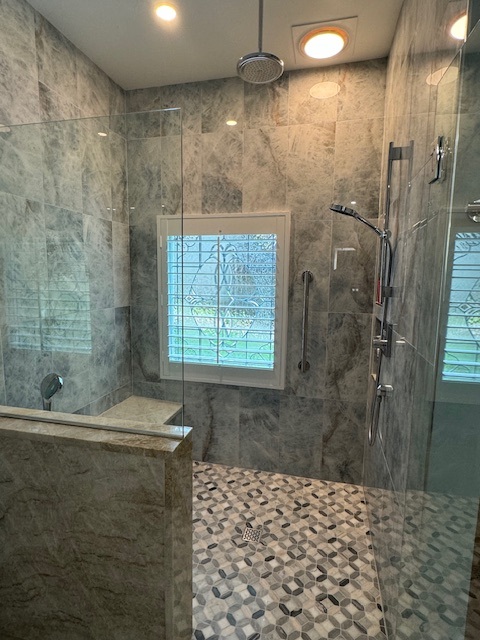
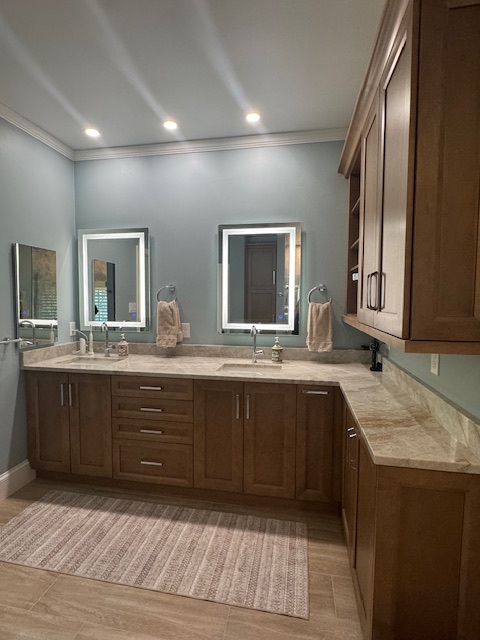
Universal Design vs Aging in Place
Understand the difference between universal design and aging-in-place remodeling with Simone Feldman Designs. Compare goals, features, and see which approach fits your home and lifestyle today and in the years ahead.
A Side‑by‑Side Look at Two Accessibility Strategies
Universal design creates spaces that work well for as many people as possible—children, guests, multigenerational families, and those with temporary or permanent limitations—without calling attention to accessibility. Aging in place focuses more narrowly on enabling you to remain at home safely and independently as needs change with age.
Homeowners often ask which path to choose. The right answer depends on who uses the home today, anticipated needs, and how long you plan to stay. Universal design emphasizes inclusive, baseline accessibility and low physical effort for everyone; aging in place targets specific accommodations like fall prevention and mobility support.
Factors such as scope, materials, customization, and timing influence what makes sense for your property. Simone Feldman Designs guides clients through these tradeoffs, blending thoughtful planning with beautiful, unobtrusive solutions that align with your goals.
Core Principles and Who They Serve
Universal design is grounded in principles like equitable use, flexibility in use, simple and intuitive operation, perceptible information, tolerance for error, appropriate size and space, and low physical effort. The goal is a home that feels natural and welcoming to everyone from toddlers to grandparents—no special instructions or obvious "adaptations" required.
Aging in place draws from these principles but tailors them to the homeowner’s evolving needs. It addresses balance, mobility, reach, and sensory changes with targeted features that may be more accommodation-focused. Done well, these elements are integrated so the home remains stylish, not clinical.
In practice, both approaches benefit from baseline accessibility and visitability. The key difference is emphasis: universal design future‑proofs broadly; aging in place customizes for anticipated personal requirements.
- Universal design: broad usability, multigenerational comfort, strong market appeal
- Aging in place: individualized safety and independence supports
- Hybrid: a universal foundation with select, discreet accommodations
- Visitability: no-step entry, wider clearances, and a usable main-floor bath
- Future-proofing: choices that adapt as needs evolve without major rework
- Smart features: lighting, security, and voice control that simplify daily life
Simone Feldman Designs helps you calibrate the right balance so your home feels effortless now and adaptable later.

Adaptability vs. Accommodation: Scope and Budget
Project scale varies depending on whether you prioritize universal adaptability or targeted accommodations. Below are typical pathways for each approach.
Universal Design Baseline
Focus on features that serve everyone: step-free entries where feasible, wider clearances, lever handles, and intuitive controls. These improvements boost everyday comfort and future flexibility without drawing attention to accessibility.
Aging-in-Place Targeted Upgrades
Introduce solutions tailored to current or expected needs, such as reinforced walls for future supports, optimized reach zones, and enhanced lighting contrast. Work may prioritize rooms most critical to safety and independence.
Comprehensive Hybrid
Combine universal principles with select accommodations across the home. This can include reworking layouts for barrier-free flow, integrating smart systems, and designing spaces that can be easily retrofitted if mobility needs change.
Simone Feldman Designs provides clear scopes and phased plans so you understand how design choices, labor, and materials affect the overall investment.
Key Factors That Influence Your Choice
Several considerations help determine the right strategy for your home.
- Users and Timeline: Households with varied ages and abilities often benefit most from universal design. Near-term mobility or health changes may favor targeted aging-in-place accommodations.
- Scope and Layout: Creating step-free entries or reconfiguring tight kitchens and baths can influence which approach is feasible in your floor plan.
- Material Strategy: Choose durable, low-maintenance finishes and fixtures that feel at home with your style while offering better grip, contrast, or ease of use.
- Technology: Layer in smart lighting, security, and voice control for convenience; prioritize intuitive systems that support low physical effort.
- Resale and Aesthetics: Universal features often read as premium upgrades in the local market, while discreet aging-in-place elements can maintain broad appeal.
Simone guides you in sequencing upgrades, balancing usability, style, and budget while keeping future adaptability in view.
Kitchens, Baths, and Entries: Practical Differences
Kitchens, baths, and entryways reveal the practical distinctions between universal design and aging in place. Universal design favors streamlined access and low effort for everyone; aging in place adds targeted supports where needed.
Common universal examples include:
- Continuous, step-free entries and clear pathways
- Lever handles, easy-grip pulls, and intuitive controls
- Adjustable or varied-height work zones and storage
- Good task lighting and glare control with simple switches
- Flooring with stable footing that blends with your aesthetic
Aging-in-place variations may add:
- Strategic reinforcements for future supports
- Enhanced lighting contrast and simplified appliance interfaces
- Optimized reach ranges and seated work options
- Doorway and turning clearances tailored to mobility devices
- Smart automations for daily routines and safety checks
Selecting between universal, aging-in-place, or a hybrid depends on your household, your timeline, and your long-term plans. Consult Simone Feldman Designs to choose the right mix—and for deeper dives, see our guides on Aging in Place Home Assessment and How Much Does Aging in Place Remodeling Cost?
Choosing Universal, Aging in Place, or a Hybrid
Choose universal design when you want inclusive, future-ready spaces with strong market appeal and minimal maintenance. Opt for aging in place if you anticipate near-term needs that call for targeted safety and mobility solutions. Many homeowners do both: establish a universal foundation now, then phase in specific accommodations as life changes.
Examples include:
- Starting with visitability and adaptable layouts, then adding supports later if needed
- Designing kitchens with adjustable work zones and planning for seated prep options
- Creating main-floor living with a bath that can be retrofitted quickly
- Integrating smart lighting and alerts that are easy to expand over time
- Prioritizing changes that look intentional and elevate everyday living
For expert guidance grounded in real-world homes, Simone Feldman Designs aligns design choices with your goals, timing, and budget while preserving style and long-term value.
When Specialized Credentials Add Value
Working with professionals versed in accessibility and inclusive design ensures your project balances beauty, function, and flexibility. Credentials such as CAPS (Certified Aging-in-Place Specialist) indicate training in safety and independence; experienced designers also apply universal design principles for broad usability.
Industry education from organizations like the National Association of Home Builders supports best practices and up-to-date standards.
Simone Feldman Designs brings this expertise together, delivering spaces that feel effortless today and adapt gracefully tomorrow.
Smart Home Tech: Enhancing Each Approach
Technology can support both universal design and aging in place, but the goals differ. Universal design favors intuitive, low-effort controls that work for everyone, while aging in place often layers targeted safeguards for changing mobility, balance, and memory.
Examples that highlight the difference:
- Voice-activated lighting and appliances: universal for hands-free ease; essential for limited reach or dexterity
- Automated temperature controls: universal comfort with large, readable interfaces; aging-in-place adds safety limits to prevent extremes
- Security systems with remote monitoring: universal peace of mind; aging-in-place adds caregiver alerts and check-in features
- Motion-sensor lighting for nighttime visibility: universal convenience; aging-in-place prioritizes path lighting to baths and entries
Upfront tech costs vary, but choosing solutions that are intuitive now and adaptable later delivers long-term safety, usability, and value for multigenerational households.
Potential Hidden Costs to Watch
Comparing universal design with aging-in-place remodeling reveals different cost drivers beyond the obvious fixtures and finishes.
Common hidden costs include:
- Updating outdated wiring or plumbing
- Structural modifications for accessibility
- Additional labor for custom installations
- Adjustments to meet building codes
Universal design often expands scope to create baseline accessibility throughout the home, while aging in place may focus on targeted rooms but require more specialized fittings. A 10–20% contingency helps manage either path with fewer surprises.
Typical Timelines for Each Path
The duration depends on whether you pursue whole-home universal design or targeted aging-in-place updates.
Typical phases include:
- Initial consultation and assessment
- Design and planning
- Material selection
- Construction and installation
- Final walkthrough and adjustments
Room-focused upgrades may wrap in weeks; multigenerational, universal design retrofits—like reworking entries, kitchens, and baths together—can span several months.
Simone Feldman Designs ensures that each phase is carefully managed for efficiency and quality.
Resale, Market Appeal, and Long‑Term Value
Universal design tends to boost market appeal with visitability and low-effort features that attract a wider buyer pool, while aging-in-place updates can reduce future care costs and support independence.
Features such as wider doorways, modern bathroom remodeling updates, and smart home systems are increasingly desirable to a broad range of buyers.
When weighed against moving or assisted living, right-sized improvements often deliver strong lifestyle and financial returns over time.
Why Choose Simone Feldman Designs?
Simone Feldman Designs brings expertise in both universal design principles and aging-in-place remodeling, helping homeowners choose the right balance for their household.
Her approach includes:
- Personalized consultations tailored to individual needs
- Transparent breakdowns of labor and material costs
- Integration of universal design principles
- Collaboration with trusted contractors and specialists
- Attention to detail throughout every phase of the project
This ensures that each home remodeling project is both functional and visually appealing.
Budget Planning for Your Chosen Approach
Start with a clear goal—whole-home baseline accessibility or targeted accommodations—then align the budget accordingly.
- Prioritize critical safety features first
- Plan for both current and future needs
- Allocate funds for structural and system upgrades
- Include a contingency budget
- Invest in durable materials that reduce maintenance
Simone Feldman Designs helps homeowners weigh universal design investments against targeted aging-in-place updates to meet usability and budget goals.
Cost‑Saving Ideas Without Compromising Access
Control costs by matching the solution to the likely use case and choosing features that can be retrofitted or expanded later.
- Focus on high-impact home modifications
- Complete remodeling projects in phases
- Choose durable, low-maintenance materials
- Avoid unnecessary structural changes
- Work with experienced aging in place specialists
These tactics help you decide when universal, adaptable features make sense and when to specify targeted accommodations without overspending.
FAQs: Universal Design and Aging in Place
How do costs compare between the two approaches?
Universal design can cost more upfront when applied across the home, while aging-in-place updates may be lower initially but concentrated in kitchens, baths, and entries. Scope, finishes, and structural work drive variation.
What are the core principles of universal design?
Universal design emphasizes equitable use, flexibility in use, simple and intuitive operation, perceptible information, tolerance for error, low physical effort, and appropriate size and space.
Who benefits most from each approach?
Universal design suits multigenerational households and resale-conscious owners who want baseline accessibility. Aging in place targets specific mobility, balance, or sensory needs to remain at home longer.
Do I need a certified specialist?
Working with certified aging professionals or CAPS specialists ensures targeted accommodations meet safety standards, while designers versed in universal design safeguard intuitive, whole-home usability.
Can I blend both strategies?
Yes. Many homes pair universal, visitable layouts with select aging-in-place features that can be added or adjusted over time.
Plan the Right Path for Your Home
Choosing between universal design and aging in place starts with your household’s current routines, future needs, and budget. Understanding tradeoffs in scope, adaptability, and aesthetics helps you invest wisely.
Simone Feldman Designs provides expert guidance, transparent pricing, and a personalized approach to every remodeling project. By balancing universal design principles with targeted upgrades where they matter most, Simone Feldman helps homeowners create flexible, marketable spaces that work beautifully today and tomorrow.
Our Service Area
Simone Feldman Designs proudly provides Aging In Place design services for homeowners in Alpharetta, Johns Creek, Milton, and Roswell, GA and surrounding communities. With a thoughtful, safety-focused approach, Simone creates kitchens and bathrooms that support long-term comfort, accessibility, and independence without sacrificing style. Whether you’re planning ahead or adapting your current space, each design is tailored to fit your lifestyle and evolve with your needs—so you can remain confident and comfortable in your home for years to come.